

Why You’ll Love This Avocado Basil Pasta
Imagine whipping up a delicious meal in just minutes that feels like a treat but keeps things healthy and simple that’s the magic of avocado basil pasta! This recipe is perfect for busy nights when you want something fast yet packed with flavor, and it fits right into your everyday routine without any fuss. Let’s dive into what makes this dish a go-to favorite for home cooks and families alike.
- Ease of preparation: One of the best parts about avocado basil pasta is how quickly it comes together, often in under 20 minutes from start to finish. You only need a few basic kitchen tools like a pot for boiling pasta and a blender for the sauce, making it ideal for busy parents or students who don’t have time to spend hours in the kitchen. This simplicity means you can enjoy a homemade meal without the stress.
- Health benefits: Packed with nutritious ingredients, this pasta offers a boost of vitamins and healthy fats from the avocado, which supports heart health and provides plenty of energy. Avocado basil pasta is naturally full of fiber and antioxidants from fresh basil, helping you feel satisfied while supporting your wellness goals. It’s a smart choice for diet-conscious folks looking for meals that taste great and nourish the body.
- Versatility: Whether you’re gluten-free, vegan, or watching your carbs, this recipe adapts easily to different needs, such as using zucchini noodles instead of traditional pasta. You can swap in various add-ins like veggies or proteins to keep things exciting, making it suitable for everyone from college students to working professionals. Avocado basil pasta works for any occasion, from quick lunches to family dinners.
- Distinctive flavor: The creamy sauce made from ripe avocado and fresh basil creates a unique, vibrant taste that’s both rich and refreshing, without any heavy dairy. The zesty lemon and garlic add a bright kick that elevates the dish, setting it apart from standard pasta recipes. It’s this fresh, lively flavor that keeps food enthusiasts coming back for more.
This avocado basil pasta not only saves time but also brings a burst of color and taste to your table, making it a hit for all kinds of eaters. By keeping things straightforward and adaptable, it’s easy to see why this recipe has become a staple in many homes. With its focus on fresh ingredients, you’re sure to enjoy every bite while feeling good about what you’re eating.
Jump to:
- Why You’ll Love This Avocado Basil Pasta
- Essential Ingredients for Avocado Basil Pasta
- Main Ingredients
- Special Dietary Options
- How to Prepare the Perfect Avocado Basil Pasta: Step-by-Step Guide
- First Step: Gather and Prepare Your Ingredients
- Second Step: Cook the Pasta
- Third Step: Blend the Sauce
- Fourth Step: Combine and Serve
- Final Step: Finishing Touches
- Dietary Substitutions to Customize Your Avocado Basil Pasta
- Protein and Main Component Alternatives
- Vegetable, Sauce, and Seasoning Modifications
- Mastering Avocado Basil Pasta: Advanced Tips and Variations
- Pro Cooking Techniques
- Flavor Variations
- Presentation Tips
- How to Store Avocado Basil Pasta: Best Practices
- FAQs: Frequently Asked Questions About Avocado Basil Pasta
- What is avocado basil pasta?
- How do you make avocado basil pasta sauce?
- How long does avocado pasta last in the fridge?
- Is avocado basil pasta healthy?
- What can I use instead of basil in avocado pasta?
- Avocado Basil Pasta
- Ingredients
- Instructions
- Last Step:
- Notes
- Nutrition
- Did you make this recipe?
Essential Ingredients for Avocado Basil Pasta
Gathering the right ingredients is key to making avocado basil pasta shine, and this list covers everything you need for a perfect batch. Each item plays a specific role in creating that creamy, flavorful sauce that coats your pasta just right. Let’s break it down so you can see how simple it is to put together.
Main Ingredients
- 7 oz pasta of choice, such as grain-free, gluten-free, spaghetti, linguine, pasta shells, spaghetti squash, or low-carb substitutes like zucchini noodles – This forms the base of the dish and provides the structure, allowing for quick cooking and easy customization based on your dietary preferences.
- 1 small avocado (or about half a large avocado), ripe and slightly tender without bruising – The avocado creates the creamy texture of the sauce, offering healthy fats and a smooth consistency that makes the pasta feel indulgent.
- 1 cup loosely packed basil leaves – These add a fresh, aromatic flavor and a pop of green color, while also bringing antioxidants that enhance the overall healthiness of the meal.
- Juice and zest of half a lemon (or lime as an alternative) – The juice provides acidity to brighten the sauce and prevent browning, while the zest adds extra citrus notes for a zesty twist.
- 1 garlic clove (adjustable; can be raw, lightly sautéed, roasted, or used as garlic powder) – Garlic infuses a savory depth that balances the creaminess, and you can tweak it based on how strong you want the flavor to be.
- 1/2 teaspoon salt – This seasons the sauce perfectly, enhancing all the flavors without overwhelming them.
- 1/4 teaspoon black pepper – A touch of pepper adds a subtle heat and complexity, rounding out the taste of the sauce.
- 1/2 cup reserved pasta water for thinning the sauce – This helps achieve the right consistency, making the sauce silky while using something you already have on hand.
Special Dietary Options
For those with specific needs, here are ways to adapt the ingredients:
- Vegan: Stick with the base recipe as it’s already plant-based, and add grated nutritional yeast for a cheesy flavor that keeps things dairy-free.
- Gluten-free: Choose gluten-free pasta options like spaghetti squash or zucchini noodles to make this dish friendly for gluten-sensitive eaters.
- Low-calorie: Opt for low-carb substitutes and reduce add-ins like nuts or cheese to keep calories in check while maintaining the fresh taste.
Don’t forget the optional add-ins to personalize your meal: confit tomatoes, sautéed mushrooms, crispy baked tofu, spinach or kale, various herbs like parsley or mint, spices like chili powder, grated parmesan or nutritional yeast, nuts such as pine nuts or walnuts, fresh or sun-dried tomatoes, protein toppings like sliced chicken, and an assortment of vegetables including peppers, zucchini, corn, snow peas, olives, leeks, artichoke hearts, baked squash or pumpkin, or broccoli. These extras let you mix and match based on what’s in your kitchen. For more recipe ideas, check out our easy chicken spaghetti recipe for inspiration on protein-packed meals.
How to Prepare the Perfect Avocado Basil Pasta: Step-by-Step Guide
Making avocado basil pasta is a breeze and fits perfectly into your no-heat cooking style, focusing on fresh ingredients that come together quickly. This guide walks you through each step to ensure your dish turns out creamy and delicious every time. With a total prep time of about 5 minutes and cooking time of 10 to 15 minutes, you’ll have a meal ready in no time!
First Step: Gather and Prepare Your Ingredients
Start by collecting all your ingredients to make the process smooth this is your mise en place, keeping everything organized. Measure out 7 oz of your chosen pasta, like gluten-free spaghetti or zucchini noodles, and set aside a pot of water for boiling. For the sauce, halve 1 small ripe avocado and have 1 cup of loosely packed basil leaves ready, along with the juice and zest of half a lemon, 1 garlic clove, 1/2 teaspoon salt, and 1/4 teaspoon black pepper. This step ensures you can adapt for dietary needs, such as using lime instead of lemon for a twist.
Second Step: Cook the Pasta
Bring a pot of water to a boil and cook the 7 oz pasta according to the package instructions until it’s just tender this usually takes 10 to 15 minutes. While it’s cooking, reserve about 1/2 cup of the pasta water before draining; this liquid is key for thinning the sauce later. If you’re opting for low-carb versions like zucchini noodles, simply spiralize and lightly blanch them for 2-3 minutes to keep things fresh and adaptable. Remember, this step is where you can make the recipe gluten-free by choosing the right pasta type.
Third Step: Blend the Sauce
Once your pasta is on the stove, focus on the sauce by adding the 1 small avocado, 1 cup basil leaves, juice and zest of half a lemon, 1 garlic clove, 1/2 teaspoon salt, and 1/4 teaspoon black pepper into a blender. Start blending on low speed and slowly incorporate about one-third of the reserved pasta water to get things moving, then add more up to 1/2 cup until you reach your desired creamy consistency. Taste and adjust the seasoning or lemon as needed, making it easy to customize for different preferences like adding extra garlic for more flavor.
Fourth Step: Combine and Serve
After blending the sauce, immediately toss it with the hot, drained pasta in a large bowl to coat everything evenly the warmth helps the flavors meld. If you’re adding optional items like spinach or nuts, mix them in now for extra texture and nutrition. Serve right away to enjoy the fresh taste, and top with grated parmesan or nutritional yeast if you’re going for a vegan option. This step highlights the dish’s versatility, allowing you to include vegetables like broccoli or proteins for a heartier meal.
Final Step: Finishing Touches
Once plated, give your avocado basil pasta a quick garnish with fresh herbs or a squeeze of lemon to brighten it up, and it’s ready to eat! For about 462 calories per serving, this meal packs 82 grams of carbohydrates, 15 grams of protein, and plenty of vitamins, as detailed in the nutritional info. To learn more about the health benefits of avocados, check out reliable sources that explain how they contribute to a balanced diet.
The nutritional breakdown includes 9 grams of fat, 1 gram saturated fat, 595 milligrams sodium, 547 milligrams potassium, 8 grams fiber, 4 grams sugar, 714 IU vitamin A, 22 milligrams vitamin C, 61 milligrams calcium, and 2 milligrams iron per serving. These details show why this pasta is a nutritious choice, especially for those watching their diet. Tips like using a high-speed blender for the smoothest sauce can make all the difference, and saving leftover pasta water for other uses adds even more value to your cooking routine.

Dietary Substitutions to Customize Your Avocado Basil Pasta
Protein and Main Component Alternatives
Swapping ingredients can make avocado basil pasta fit your needs, starting with the main components. For extra protein, try adding crispy baked tofu instead of traditional options, which keeps things vegan and hearty. If you’re out of pasta, zucchini noodles or spaghetti squash work great as low-carb swaps, maintaining that fresh, no-heat vibe while adapting to gluten-free lifestyles.
Vegetable, Sauce, and Seasoning Modifications
Vegetables like peppers or kale can replace basil for variety, adding crunch and extra nutrients based on what’s in season. For the sauce, use lime juice instead of lemon to change the flavor profile, or amp up seasonings with chili powder for a spicy kick. These tweaks ensure the dish remains versatile for different tastes and dietary restrictions, like going low-calorie by cutting back on nuts.
Mastering Avocado Basil Pasta: Advanced Tips and Variations
Pro Cooking Techniques
To get the best results, use a high-speed blender for a silky sauce that blends the avocado and basil smoothly, avoiding any lumps. Freezing the garlic clove briefly before blending can mellow its sharpness, making the flavors balance just right. For make-ahead options, prep the sauce in advance and store it with a layer of lemon juice on top to prevent browning, perfect for busy schedules.
Flavor Variations
Experiment with herbs like parsley or mint to switch up the taste, creating a fresh twist on the classic avocado basil pasta. Add spices such as chili powder for a warm, exciting note, or throw in sun-dried tomatoes for a tangy element. These changes keep the dish exciting and adaptable, whether you’re adding proteins like sliced chicken or keeping it plant-based.
Presentation Tips
Garnish with toasted nuts for a nice crunch and visual appeal, making your plate look as good as it tastes. Use colorful add-ins like corn or olives to brighten the dish, turning a simple meal into something special. With these tips, your avocado basil pasta will impress everyone at the table. For more ideas on variations, explore our turkey carcass soup for creative ways to use leftovers in soups.
How to Store Avocado Basil Pasta: Best Practices
Proper storage keeps your avocado basil pasta fresh, starting with refrigeration for short-term needs. Refrigerate leftovers in an airtight container for 1 to 2 days, where the flavor might soften but stays enjoyable. For freezing, use airtight containers and store for 1 to 2 months, though texture could change, so thaw carefully in the fridge overnight.
When reheating, add a splash of water or lemon juice to refresh the sauce and maintain its creamy quality, avoiding any microwave hotspots. For meal prep, portion out servings ahead of time to make weeknights easier, always checking for freshness before eating. Nutritional benefits of basil can help you understand why keeping it fresh matters for your health.
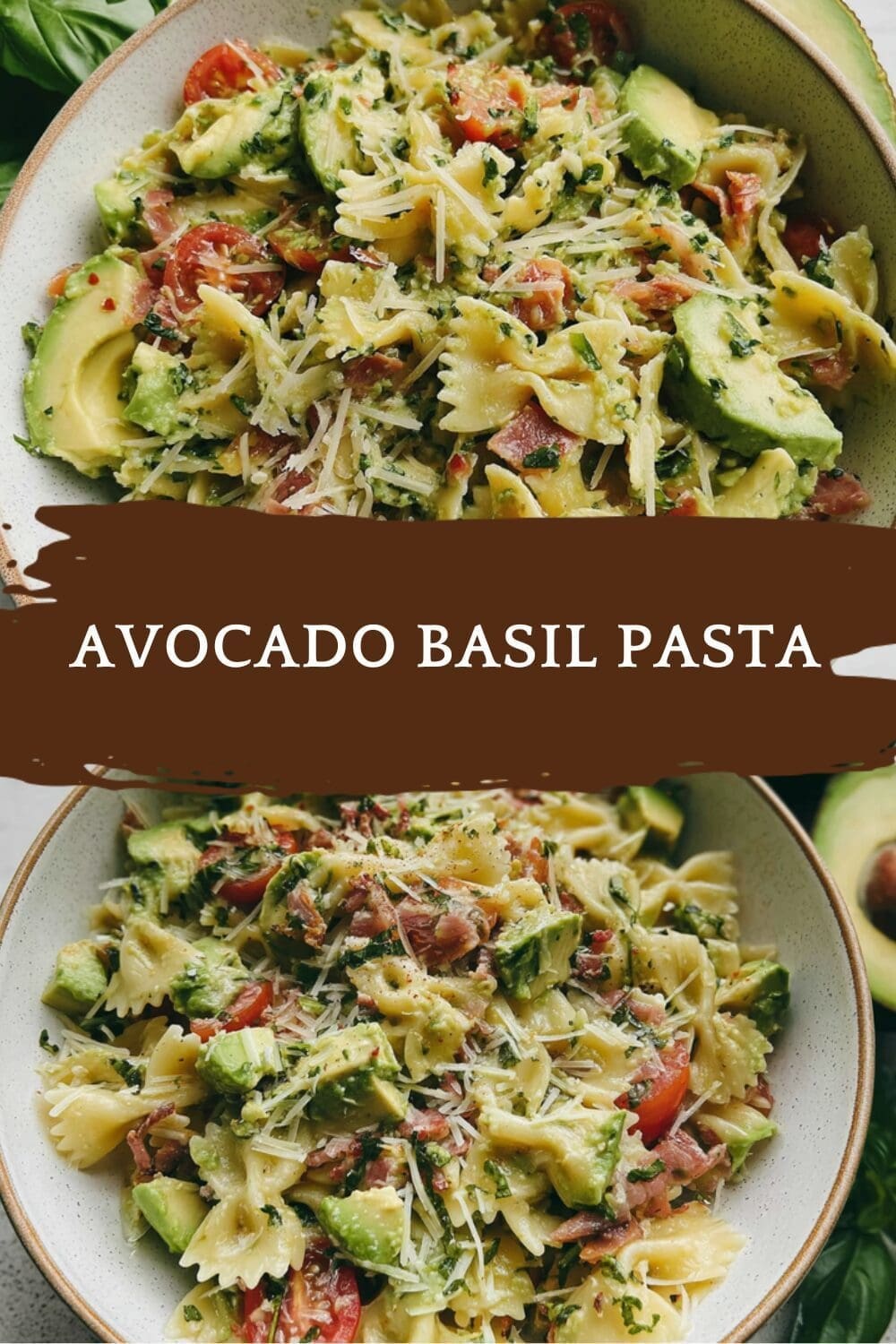
FAQs: Frequently Asked Questions About Avocado Basil Pasta
What is avocado basil pasta?
Avocado basil pasta is a creamy pasta dish that uses ripe avocados blended with fresh basil leaves, garlic, lemon juice, and olive oil to create a rich, dairy-free sauce. The sauce has a vibrant green color and smooth texture that coats pasta beautifully. It’s typically served hot but can also be enjoyed at room temperature. This dish offers a healthier alternative to traditional cream-based pasta sauces while providing satisfying flavor and creaminess from the avocados.
How do you make avocado basil pasta sauce?
To make avocado basil pasta sauce, blend 2 ripe avocados, 1 cup fresh basil leaves, 2 garlic cloves, 2 tablespoons lemon juice, ¼ cup olive oil, salt, and pepper until smooth. For extra creaminess, add ¼ cup of reserved pasta water. If you prefer some crunch, include ¼ cup pine nuts or walnuts. The sauce comes together in minutes and should be used immediately after preparation to prevent browning. Toss with your favorite cooked pasta and serve with optional toppings like cherry tomatoes or red pepper flakes.
How long does avocado pasta last in the fridge?
Avocado basil pasta is best enjoyed immediately as the avocado sauce may oxidize and turn brown over time. However, leftovers can be stored in an airtight container in the refrigerator for up to 2 days. To minimize browning, press plastic wrap directly onto the surface of the pasta before sealing. When reheating, add a splash of water or lemon juice and toss well to refresh the sauce’s consistency and color. The texture and flavor may change slightly after storage, but it will still be safe to eat.
Is avocado basil pasta healthy?
Yes, avocado basil pasta can be a healthy meal option. Avocados provide heart-healthy monounsaturated fats, fiber, potassium, and vitamins C, E, K, and B-6. Basil offers antioxidants and essential nutrients. When made with whole grain pasta, this dish provides complex carbohydrates and additional fiber. A typical serving contains approximately 300-400 calories, depending on portion size and ingredients. The dish is naturally dairy-free and can easily be made vegan by omitting cheese, making it suitable for various dietary preferences.
What can I use instead of basil in avocado pasta?
If you don’t have basil, several herbs work well as substitutes in avocado pasta sauce. Cilantro creates a bright, zesty flavor that complements avocado beautifully. Spinach or arugula can add a milder taste while maintaining the green color. Parsley with a squeeze of lemon offers a fresh flavor, while mint provides a refreshing twist. You can also use a combination of herbs like parsley and cilantro together. Use the same amount of substitute herb as you would basil (about 1 cup per 2 avocados) for the best consistency and flavor balance.

Avocado Basil Pasta
🥑 Enjoy a creamy, healthy pasta sauce made with ripe avocado for a quick and nutritious weeknight meal.
🌿 This simple green pasta recipe combines fresh basil and lemon for a vibrant, flavorful dinner that’s easy to prepare.
- Total Time: 15-20 minutes
- Yield: 2 servings 1x
Ingredients
7 oz pasta of choice
1 small avocado (or about half a large avocado), ripe and slightly tender without bruising
1 cup loosely packed basil leaves
Juice and zest of half a lemon (or lime as an alternative)
1 garlic clove
1/2 teaspoon salt
1/4 teaspoon black pepper
1/2 cup reserved pasta water for thinning the sauce
Instructions
1-First Step: Gather and Prepare Your Ingredients Start by collecting all your ingredients to make the process smooth this is your mise en place, keeping everything organized. Measure out 7 oz of your chosen pasta, like gluten-free spaghetti or zucchini noodles, and set aside a pot of water for boiling. For the sauce, halve 1 small ripe avocado and have 1 cup of loosely packed basil leaves ready, along with the juice and zest of half a lemon, 1 garlic clove, 1/2 teaspoon salt, and 1/4 teaspoon black pepper. This step ensures you can adapt for dietary needs, such as using lime instead of lemon for a twist.
2-Second Step: Cook the Pasta Bring a pot of water to a boil and cook the 7 oz pasta according to the package instructions until it’s just tender this usually takes 10 to 15 minutes. While it’s cooking, reserve about 1/2 cup of the pasta water before draining; this liquid is key for thinning the sauce later. If you’re opting for low-carb versions like zucchini noodles, simply spiralize and lightly blanch them for 2-3 minutes to keep things fresh and adaptable. Remember, this step is where you can make the recipe gluten-free by choosing the right pasta type.
3-Third Step: Blend the Sauce Once your pasta is on the stove, focus on the sauce by adding the 1 small avocado, 1 cup basil leaves, juice and zest of half a lemon, 1 garlic clove, 1/2 teaspoon salt, and 1/4 teaspoon black pepper into a blender. Start blending on low speed and slowly incorporate about one-third of the reserved pasta water to get things moving, then add more up to 1/2 cup until you reach your desired creamy consistency. Taste and adjust the seasoning or lemon as needed, making it easy to customize for different preferences like adding extra garlic for more flavor.
4-Fourth Step: Combine and Serve After blending the sauce, immediately toss it with the hot, drained pasta in a large bowl to coat everything evenly the warmth helps the flavors meld. If you’re adding optional items like spinach or nuts, mix them in now for extra texture and nutrition. Serve right away to enjoy the fresh taste, and top with grated parmesan or nutritional yeast if you’re going for a vegan option. This step highlights the dish’s versatility, allowing you to include vegetables like broccoli or proteins for a heartier meal.
5-Final Step: Finishing Touches Once plated, give your avocado basil pasta a quick garnish with fresh herbs or a squeeze of lemon to brighten it up, and it’s ready to eat! For about 462 calories per serving, this meal packs 82 grams of carbohydrates, 15 grams of protein, and plenty of vitamins, as detailed in the nutritional info. To learn more about the health benefits of avocados, check out reliable sources that explain how they contribute to a balanced diet.
Last Step:
Please leave a rating and comment letting us know how you liked this recipe! This helps our business to thrive and continue providing free, high-quality recipes for you.Notes
💧 Save leftover pasta water in ice cube trays for later use in sauces or baking.
🔄 Use a high-speed blender for smooth sauce; a food processor also works.
🍋 Reheated avocado sauce may change flavor; refresh with extra lemon juice or seasoning before serving again.
- Prep Time: 5 minutes
- Cook Time: 10-15 minutes
- Category: Main Course
- Method: Boiling, Blending
- Cuisine: American
- Diet: Vegetarian, Gluten-Free
Nutrition
- Serving Size: 1 cup
- Calories: 462
- Sugar: 4 grams
- Sodium: 595 milligrams
- Fat: 9 grams
- Saturated Fat: 1 gram
- Carbohydrates: 82 grams
- Fiber: 8 grams
- Protein: 15 grams
- Cholesterol: 0 milligrams


