

Why You’ll Love This Buttercream Icing
This buttercream icing is a go-to choice for anyone wanting a simple way to add a touch of sweetness to desserts. Its smooth and creamy texture makes it perfect for topping cakes or cupcakes, and it’s easy to whip up even if you’re new to baking. You’ll appreciate how this recipe balances rich flavors with everyday ingredients, making it a favorite for home bakers everywhere.
One reason to try this buttercream icing is its straightforward preparation, which takes just minutes and uses basic kitchen tools. It’s also versatile enough to fit into various dietary preferences without losing that delicious taste. Whether you’re baking for a party or just for fun, this icing delivers a reliable result every time.
Beyond ease, buttercream icing offers options for healthier tweaks, like reducing sugar for a lighter feel that still satisfies. This makes it a smart pick for those watching their diet. Overall, it’s a frosting that brings joy to any dessert with its soft, sweet appeal.
Key Benefits of Buttercream Icing
Let’s break down what makes this buttercream icing stand out. First, it’s incredibly simple to prepare with minimal ingredients and no long waits, ideal for busy days. You can adjust it to suit different tastes, from adding flavors to making it lighter, which helps meet various dietary goals.
For instance, this recipe supports wellness by allowing swaps for lower-fat options, keeping things tasty yet mindful. It’s adaptable for everyone, whether you’re going vegan or cutting calories. Plus, the distinctive flavor from quality vanilla and cream elevates everyday treats into something special.
Jump to:
- Why You’ll Love This Buttercream Icing
- Key Benefits of Buttercream Icing
- Essential Ingredients for Buttercream Icing
- How to Prepare the Perfect Buttercream Icing: Step-by-Step Guide
- Step 1: Preparing Your Ingredients
- Step 2: Mixing the Base
- Step 3: Adjusting Consistency
- Dietary Substitutions to Customize Your Buttercream Icing
- Ideas for Vegetable and Seasoning Changes
- Mastering Buttercream Icing: Advanced Tips and Variations
- How to Store Buttercream Icing: Best Practices
- FAQs: Frequently Asked Questions About Buttercream Icing
- How can I add different flavors to buttercream icing?
- What is the best way to store buttercream icing and how long does it last?
- Can I color buttercream icing without affecting its texture?
- Is buttercream icing suitable for decorating cakes and can it hold fondant decorations?
- Does buttercream icing melt in hot weather, and how can I prevent it?
- Buttercream Icing
- Ingredients
- Instructions
- Last Step:
- Notes
- Did you make this recipe?
Essential Ingredients for Buttercream Icing
Gathering the right ingredients is key to making perfect buttercream icing. This section lists everything you need, based on a classic recipe that’s both reliable and easy to follow. By using precise measurements, you’ll achieve that smooth, creamy result every time.
- 1 cup (16 tablespoons; 226 grams) of unsalted butter, softened
- 4 to 5 cups (480-600 grams) of sifted confectioners’ sugar
- 1/4 cup (60 milliliters) of heavy cream, half-and-half, or whole milk at room temperature
- 2 teaspoons of pure vanilla extract
- 1/8 teaspoon of salt to taste
These ingredients create a soft, creamy, and sweet American-style frosting that’s ideal for cakes and cupcakes. As you can see, starting with softened butter ensures a rich base, while sifted sugar helps avoid lumps for a silky finish. Don’t skip the salt it balances the sweetness just right.
For special dietary options, you can make adjustments to fit your needs. For example, if you’re aiming for vegan buttercream, swap in plant-based margarine. It’s naturally gluten-free with certified ingredients, and for a lower-calorie version, try using Greek yogurt in place of some butter. This way, everyone can enjoy this buttercream icing without fuss.
| Ingredient | Role in Recipe | Dietary Swap Options |
|---|---|---|
| Unsalted butter | Provides creaminess and richness | Vegan margarine or coconut oil |
| Confectioners’ sugar | Adds sweetness and smooth texture | Reduced amount for lower sugar |
| Heavy cream or milk | Adjusts consistency for easy spreading | Almond milk for dairy-free |
| Vanilla extract | Enhances overall flavor | Other extracts like almond |
| Salt | Balances sweetness | None typically needed |
This table highlights how each part contributes to the final product. For more on butter’s benefits, check out this resource on dairy products to learn how it adds that perfect richness.
How to Prepare the Perfect Buttercream Icing: Step-by-Step Guide
Getting buttercream icing just right starts with fresh ingredients and a bit of patience. Begin by beating the softened butter on medium speed until it’s creamy, which sets the base for that fluffy texture. Once that’s done, you’ll add the other elements step by step for the best results.
Here’s how to put it all together, following a reliable method that ensures your icing turns out smooth and sweet. This process is straightforward, even for beginners, and takes about 5-10 minutes once you’re set up. Remember, adjusting as you go helps match exactly what you want.
Step 1: Preparing Your Ingredients
Start by gathering all items: 1 cup of softened unsalted butter, 4 to 5 cups of sifted confectioners’ sugar, 1/4 cup of room temperature heavy cream, 2 teaspoons of pure vanilla extract, and 1/8 teaspoon of salt. Make sure the butter is at room temperature about 65-70°F for easy blending. This step avoids lumps and makes mixing smoother.
Softened butter whips up nicely, creating a creamy foundation. Sifting the sugar prevents any grit, so your icing feels velvety. Having the cream at room temperature helps it incorporate evenly without splitting the mixture.
Step 2: Mixing the Base
In a large bowl, beat the butter on medium speed for 1-2 minutes until it’s pale and creamy. Then, add 4 1/2 cups of the confectioners’ sugar, the cream, and vanilla extract. Beat on low speed for 30 seconds to combine, then switch to medium-high for 2 minutes until fluffy.
This gradual approach keeps things from getting messy, like sugar flying everywhere. It’s a simple way to build that signature buttercream texture. For exact tweaks, add salt to taste right after, stirring it in to balance the sweetness perfectly.
Step 3: Adjusting Consistency
If your icing is too thick, add more liquid one tablespoon at a time until it’s spreadable. On the flip side, if it’s too thin, mix in extra confectioners’ sugar. This fine-tuning takes just seconds and makes a big difference for piping or spreading.
Once ready, you can use it immediately on your favorite desserts. For make-ahead options, cover and store it in the fridge for up to one week or freeze for three months, then re-beat with a splash of room temperature liquid to restore that creaminess. If you enjoy no-cook treats, try linking this to a simple dump cake recipe for a fun twist.
This buttercream pairs well with many ideas, expanding your baking fun. With practice, you’ll master these steps to create consistently great results.

Dietary Substitutions to Customize Your Buttercream Icing
Making buttercream icing your own is easy with a few smart swaps. Whether you’re going vegan or watching calories, these changes keep the flavor and texture intact. Start by considering alternatives for the main components to fit your needs.
For protein and main elements, use vegan butter or coconut oil in place of dairy butter for a plant-based option. Greek yogurt can replace some butter to cut calories while keeping it creamy. These tweaks make the icing adaptable for different diets without much effort.
Ideas for Vegetable and Seasoning Changes
Add citrus zest or fruit purees to bring in fresh flavors and a nutritional boost. You might try cocoa powder for chocolate variations or a bit of espresso for a mocha feel. These additions keep things exciting and help incorporate more natural elements.
Infusing with extracts like almond or peppermint offers even more variety. This way, your buttercream stays versatile and inclusive. For the health benefits of vanilla, visit this helpful guide on its advantages.
Mastering Buttercream Icing: Advanced Tips and Variations
Taking your buttercream icing to the next level involves some handy techniques and creative ideas. For ultra-smooth results, make sure the butter is just right not too hard or soft and sift the sugar well to eliminate lumps. These steps ensure your icing looks and tastes professional.
Explore flavor variations by mixing in spices like cinnamon or swapping vanilla for almond extract. Presentation is key too use piping bags for pretty designs and add sprinkles for extra charm. If you’re planning ahead, prepare the icing early and chill it, then rewhip before using.
How to Store Buttercream Icing: Best Practices
Proper storage keeps your buttercream icing fresh and ready for later. Keep it in an airtight container in the fridge for up to one week, then let it warm up and rewhip if needed. Freezing works great too, lasting up to three months when sealed well.
For reheating, warm gently in short bursts to avoid any separation. This method helps maintain that creamy texture for your next baking session. Preparing in batches makes meal prep easier and keeps things convenient.
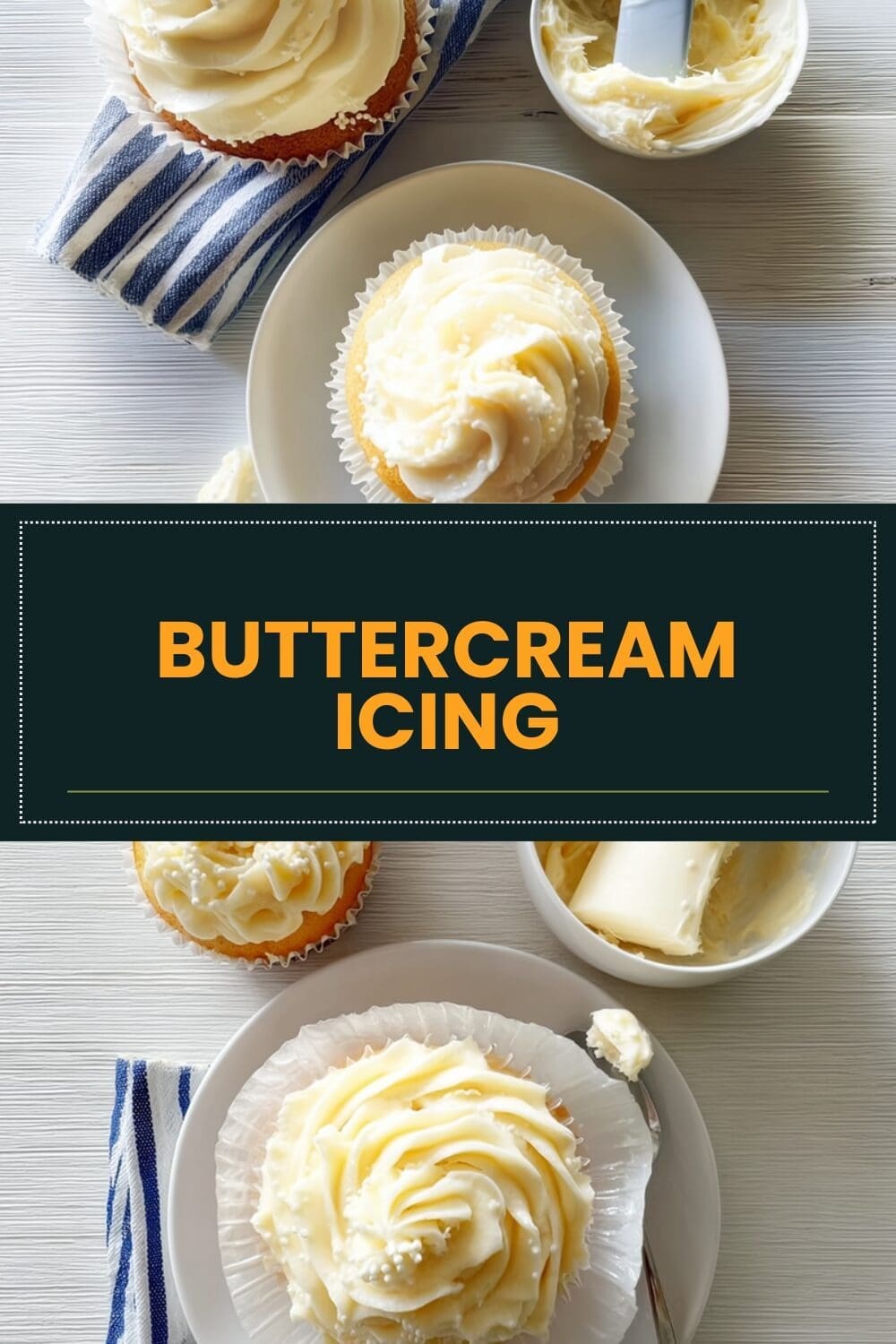
FAQs: Frequently Asked Questions About Buttercream Icing
How can I add different flavors to buttercream icing?
You can flavor buttercream icing by adding extracts such as peppermint, maple, coconut, orange, or almond. When using additional extracts, reduce the vanilla extract to about 1 teaspoon to balance flavors. Spices like ground cinnamon or nutmeg also provide unique taste variations. Start with small amounts, taste, and adjust as needed to avoid overpowering the buttercream.
What is the best way to store buttercream icing and how long does it last?
Buttercream icing can be stored in an airtight container in the refrigerator for up to 3 days. For longer storage, freeze it for up to 3 months. When ready to use, thaw it overnight in the fridge, then beat it again with a mixer to restore its creamy texture. At room temperature, buttercream holds well for about one day, but refrigeration is recommended especially in warm climates.
Can I color buttercream icing without affecting its texture?
Yes, use gel or paste food coloring to tint buttercream icing. These colorings provide vibrant shades without thinning the frosting like liquid food colors can. Add color gradually in small amounts—using a toothpick or a drop at a time—until you reach the desired hue. This method helps maintain the ideal consistency for spreading and piping.
Is buttercream icing suitable for decorating cakes and can it hold fondant decorations?
Buttercream icing works well for decorating cakes and can act as a base layer for fondant. It provides enough stability to support fondant figures without sliding when properly chilled. To improve firmness, chilling the cake after applying buttercream is recommended. For detailed piping or decorations, you can adjust consistency by slightly chilling the buttercream before use.
Does buttercream icing melt in hot weather, and how can I prevent it?
Buttercream icing, especially those made with butter, can soften or melt in warm temperatures above 70°F (21°C). To prevent melting, keep decorated cakes refrigerated until just before serving, and avoid exposing them to direct sunlight or heat sources. Using a buttercream recipe with some shortening or chilling between decorating steps can also increase heat resistance.

Buttercream Icing
🍰 This Vanilla Buttercream Frosting delivers smooth and creamy sweetness, perfect for finishing cakes and cupcakes with a classic touch.
🎂 It’s easy to make and versatile, adding rich flavor and a luscious texture to your baked treats.
- Total Time: 10 minutes
Ingredients
1 cup (16 tablespoons; 226 grams) unsalted butter softened
4 to 5 cups (480–600 grams) sifted confectioners’ sugar
1/4 cup (60 milliliters) heavy cream, half-and-half, or whole milk at room temperature
2 teaspoons pure vanilla extract
1/8 teaspoon salt to taste
Unsalted butter provides creaminess and richness
Confectioners’ sugar adds sweetness and smooth texture
Heavy cream or milk adjusts consistency for easy spreading
Vanilla extract enhances overall flavor
Salt balances sweetness
Instructions
1-Step 1: Preparing Your Ingredients Start by gathering all items: 1 cup of softened unsalted butter, 4 to 5 cups of sifted confectioners’ sugar, 1/4 cup of room temperature heavy cream, 2 teaspoons of pure vanilla extract, and 1/8 teaspoon of salt. Make sure the butter is at room temperature about 65-70°F for easy blending. This step avoids lumps and makes mixing smoother. Softened butter whips up nicely, creating a creamy foundation. Sifting the sugar prevents any grit, so your icing feels velvety. Having the cream at room temperature helps it incorporate evenly without splitting the mixture.
2-Step 2: Mixing the Base In a large bowl, beat the butter on medium speed for 1-2 minutes until it’s pale and creamy. Then, add 4 1/2 cups of the confectioners’ sugar, the cream, and vanilla extract. Beat on low speed for 30 seconds to combine, then switch to medium-high for 2 minutes until fluffy. This gradual approach keeps things from getting messy, like sugar flying everywhere. It’s a simple way to build that signature buttercream texture. For exact tweaks, add salt to taste right after, stirring it in to balance the sweetness perfectly.
3-Step 3: Adjusting Consistency If your icing is too thick, add more liquid one tablespoon at a time until it’s spreadable. On the flip side, if it’s too thin, mix in extra confectioners’ sugar. This fine-tuning takes just seconds and makes a big difference for piping or spreading. Once ready, you can use it immediately on your favorite desserts. For make-ahead options, cover and store it in the fridge for up to one week or freeze for three months, then re-beat with a splash of room temperature liquid to restore that creaminess. If you enjoy no-cook treats, try linking this to a simple dump cake recipe for a fun twist. This buttercream pairs well with many ideas, expanding your baking fun. With practice, you’ll master these steps to create consistently great results.
Last Step:
Please leave a rating and comment letting us know how you liked this recipe! This helps our business to thrive and continue providing free, high-quality recipes for you.Notes
🍶 Use room temperature butter and liquid for best mixing and smooth texture.
❄️ Store frosting properly covered to prevent drying out and preserve freshness.
🎨 Customize flavor by adding extracts or zest for variation in your frosting.
- Prep Time: 10 minutes
- Category: Frosting
- Method: Beating
- Cuisine: American


