

Why You’ll Love This Butternut Squash
Have you ever discovered a vegetable that’s as easy to add to your meals as it is delicious and healthy? Butternut squash fits that role perfectly, offering a mix of simplicity and taste that makes it a go-to choice for home cooks. This butternut squash recipe stands out with its straightforward preparation while packing in tons of nutrients to keep your energy up all day.
Let’s talk about how this dish comes together in no time and still delivers on flavor. You’ll appreciate the quick steps that blend sweet and savory notes, making it ideal for busy parents or students who want a nutritious meal without fuss. Plus, its adaptability means it can fit into all sorts of diets, showing why butternut squash recipes are so popular for everyday eating.
Ease and Speed in the Kitchen
The process starts with basic steps like peeling and chopping, which take about 10 minutes, followed by roasting for 30 minutes. This totals around 40 minutes, perfect for fitting into a hectic schedule. Imagine pulling together a side dish or main component that doesn’t demand hours of effort yet turns out golden and tasty every time.
Beyond the kitchen, this roasted butternut squash works well in meals like soups or salads, adding a touch of sweetness without overpowering other flavors. It’s no wonder folks from working professionals to seniors enjoy butternut squash for its balance of simplicity and nutrition. With preparation time so short, you can experiment with roasted butternut squash recipes for simple meals right away.
Jump to:
- Why You’ll Love This Butternut Squash
- Ease and Speed in the Kitchen
- Essential Ingredients for Butternut Squash
- Special Dietary Options
- How to Prepare the Perfect Butternut Squash: Step-by-Step Guide
- Tips for Success
- Dietary Substitutions to Customize Your Butternut Squash
- Mastering Butternut Squash: Advanced Tips and Variations
- Make-Ahead Ideas
- How to Store Butternut Squash: Best Practices
- FAQs: Frequently Asked Questions About Butternut Squash
- What is the best way to store butternut squash to keep it fresh longer?
- How do you peel and prepare butternut squash for cooking?
- What are the health benefits of eating butternut squash?
- Can butternut squash be used in both savory and sweet recipes?
- How long does it take to cook butternut squash in the oven, and at what temperature?
- Butternut Squash
- Ingredients
- Instructions
- Last Step:
- Notes
- Nutrition
- Did you make this recipe?
Essential Ingredients for Butternut Squash
Gathering the right ingredients is key to making the best roasted butternut squash. Start with fresh, quality items that highlight the natural flavors of butternut squash. This section breaks down everything you need, pulling directly from the details provided to ensure a clear and accurate list.
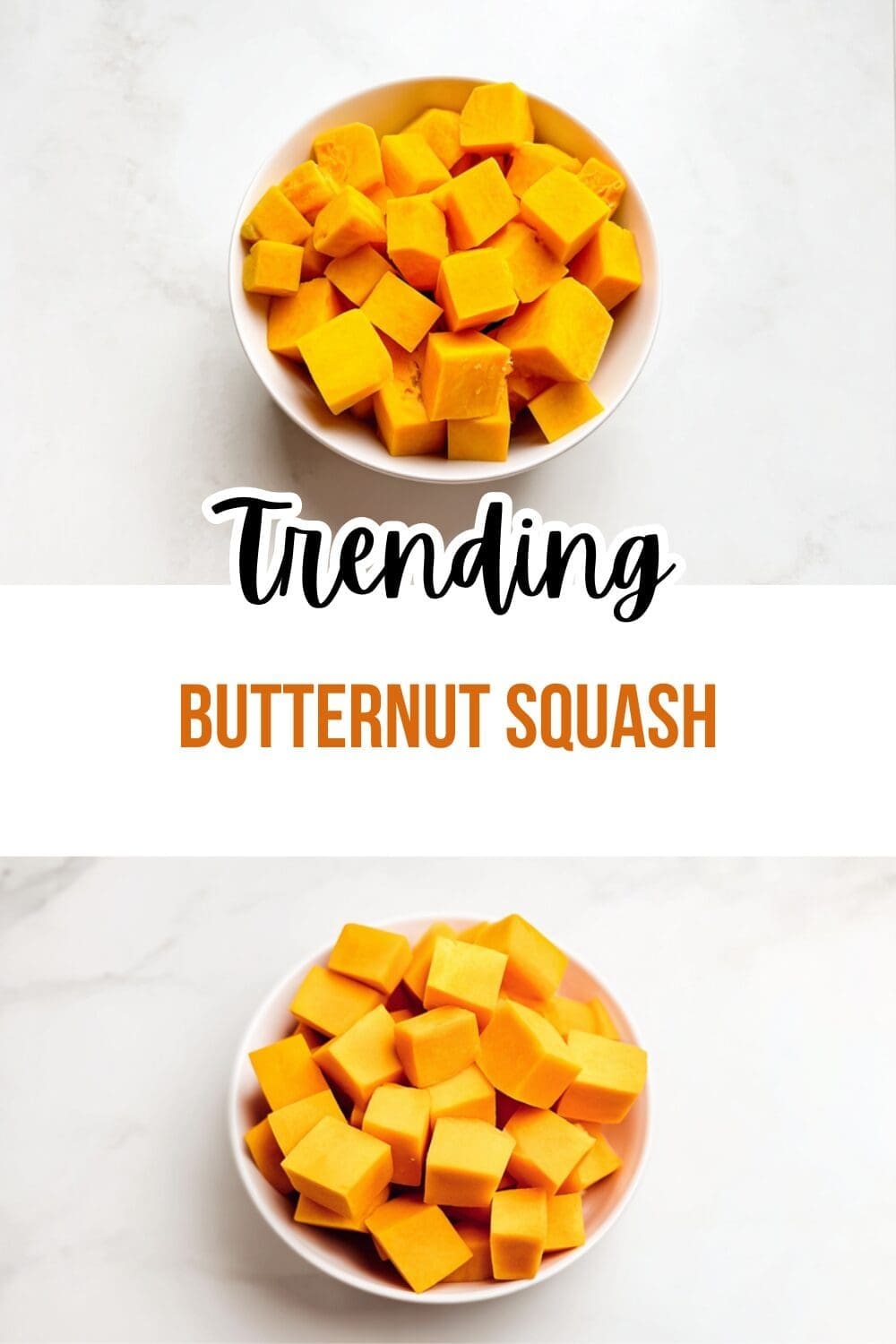
- 1 whole butternut squash (peeled, seeds removed, and cut into 1-inch cubes) – This forms the base of the dish, offering a sweet and creamy texture.
- Olive oil (enough to drizzle for coating) – Helps in roasting and adds healthy fats for better flavor absorption.
- Sea salt (to taste) – Balances the sweetness and enhances the overall taste of the squash.
- Freshly ground black pepper (to taste) – Adds a bit of spice and complexity to the roasted cubes.
- Chopped fresh parsley (optional, for garnishing) – Provides a fresh, herbal finish if you want to add it before serving.
These ingredients make up the core of your roasted butternut squash, ensuring it’s simple yet flavorful. For variations, you can swap in other herbs or adjust amounts based on your preferences, but stick to these for the basic recipe. Remember, using precise measurements helps achieve the best results, especially when you’re trying out butternut squash meals for the first time.
Special Dietary Options
This recipe is naturally flexible for different needs. If you’re following a vegan diet, the olive oil and herbs keep things plant-based without any changes. For gluten-free options, all items here are gluten-free by default, making it easy to enjoy.
| Ingredient | Dietary Fit |
|---|---|
| Olive oil | Vegan and low-calorie if used sparingly |
| Sea salt and black pepper | Gluten-free and suitable for most diets |
| Butternut squash | Low-calorie, vegan, and nutrient-rich |
For low-calorie versions, reduce the olive oil to a light drizzle or use a spray. These adjustments keep the dish versatile for food enthusiasts and diet-conscious individuals alike.
How to Prepare the Perfect Butternut Squash: Step-by-Step Guide
Getting started with roasted butternut squash is simpler than it sounds, and we’ll walk you through it step by step. Begin by preheating your oven to 400°F (200°C) and lining a baking sheet with parchment paper to avoid any sticking. Use 1 whole butternut squash, peeled and with seeds removed, then cut it into 1-inch cubes for even roasting.
Next, place the squash cubes on the baking sheet and drizzle them with olive oil, seasoning with sea salt and freshly ground black pepper to taste. Toss everything together to coat the cubes evenly, then spread them out in a single layer with some space between them this helps them crisp up nicely. Roast for 30 to 35 minutes until the squash turns tender and golden brown, stirring halfway if needed for uniform cooking.
Tips for Success
Evenly sized cubes are crucial for uniform cooking, so take a moment to make sure they’re all about the same size. If your squash feels too hard to cut, soften it briefly in the microwave or oven to make peeling easier just use a sharp vegetable peeler for the best results.
Once it’s done, you can garnish with chopped fresh parsley for a fresh twist. This roasted butternut squash works great as a side dish or mixed into soups, pastas, grain bowls, salads, or even pureed into sauces. Preparation takes about 10 minutes, with cooking time of 30 minutes, so you’re looking at around 40 minutes total perfect for busy folks like working professionals or students.
Adding fresh herbs such as rosemary or thyme before roasting can boost the flavor even more. For more ideas on incorporating roasted veggies, check out our easy chicken spaghetti recipe that pairs well with squash-based dishes.

Dietary Substitutions to Customize Your Butternut Squash
Making roasted butternut squash fit your needs is all about smart swaps, and there are plenty of ways to do it. If you’re looking for protein alternatives, try swapping the butternut squash with sweet potatoes or pumpkin for a similar texture and sweetness that keeps the dish light and flavorful.
For oils, you can replace olive oil with avocado oil or coconut oil to change up the taste while keeping things healthy. When it comes to seasonings, swap fresh rosemary with thyme or sage based on what you have on hand or prefer.
- Use dairy-free options like nutritional yeast for added depth without animal products.
- Add sauces such as tahini or balsamic glaze to mix things up, which works for vegan and gluten-free diets.
- Keep portions light if you’re watching calories, like using less oil for a lower-fat version.
These changes make the recipe adaptable for travelers or newlyweds experimenting in the kitchen. Whether you’re a baking enthusiast or just starting out, these tweaks ensure your butternut squash meals stay exciting and personalized.
Mastering Butternut Squash: Advanced Tips and Variations
Once you’re comfortable with the basics, take your roasted butternut squash to the next level with some pro techniques. Try roasting at a higher temperature for crispier edges or go for a slower roast to bring out even more sweetness in the squash.
Flavor variations can include spices like cinnamon, nutmeg, or smoked paprika to create something truly unique. For presentation, add garnishes such as fresh herbs, toasted nuts, or a drizzle of infused oils to make your dish pop on the plate.
Make-Ahead Ideas
Prepare your seasoned squash ahead of time and store it in the fridge or freezer for easy meals later. Roasted cubes freeze well and can be reheated quickly, which is ideal for college students or apartment dwellers with tight schedules. For external resources on freezing veggies, visit this guide from a trusted source.
If you’re looking for more recipe inspirations, our turkey carcass soup page offers ways to use roasted squash in hearty soups. This approach helps keep your meals flavorful and convenient throughout the week.
How to Store Butternut Squash: Best Practices
Keeping your roasted butternut squash fresh is key to enjoying it later, and proper storage makes all the difference. Put cooked squash in an airtight container and refrigerate it for up to 4-5 days to lock in that great flavor and texture.
For longer storage, freeze the roasted cubes in single layers on a baking sheet before moving them to freezer-safe containers this prevents clumping and keeps them ready for use. When reheating, do it gently in the oven at 350°F (175°C) or in the microwave, covering it to hold onto moisture.
- Portion out the squash into meal-sized containers for easy meal prep.
- Experiment with seasoning variations to keep things interesting over multiple days.
- Always check for freshness before eating to ensure the best taste.
This method works well for busy parents or seniors planning ahead, making butternut squash a staple in your kitchen routine.
FAQs: Frequently Asked Questions About Butternut Squash
What is the best way to store butternut squash to keep it fresh longer?
Store whole butternut squash in a cool, dark, and well-ventilated place, ideally between 50-60°F (10-15°C). Avoid refrigerating it before cutting, as cold temperatures can cause it to spoil faster. Once cut, wrap the pieces tightly in plastic wrap or place them in an airtight container and refrigerate. Use cut squash within 3-5 days for optimal freshness and flavor.
How do you peel and prepare butternut squash for cooking?
To peel butternut squash, first cut off the stem and base. Then, use a sturdy vegetable peeler or a sharp knife to remove the tough outer skin. Slice the squash in half lengthwise, scoop out the seeds with a spoon, and cut the flesh into cubes or desired shapes depending on the recipe. The flesh is versatile and can be roasted, boiled, steamed, or mashed.
What are the health benefits of eating butternut squash?
Butternut squash is a nutrient-rich vegetable packed with vitamins A and C, which support eye health and the immune system. It is also a good source of dietary fiber, promoting digestion, and contains antioxidants that may reduce inflammation. Additionally, it provides potassium and magnesium, helping maintain healthy blood pressure and muscle function.
Can butternut squash be used in both savory and sweet recipes?
Yes, butternut squash is versatile and suitable for both savory and sweet dishes. In savory recipes, it can be roasted with herbs, added to soups, or used in casseroles. For sweet dishes, it can be pureed into pies, muffins, or smoothies, providing natural sweetness and a creamy texture without needing added sugar.
How long does it take to cook butternut squash in the oven, and at what temperature?
Roasting butternut squash typically takes 25-35 minutes at 400°F (200°C). Cut the squash into uniform cubes or slices, toss with olive oil and seasonings, and spread evenly on a baking sheet. Roast until the squash is tender and lightly caramelized, stirring once or twice for even cooking. Cooking time may vary slightly based on the size of the pieces.

Butternut Squash
🍠 Enjoy the natural sweetness and creamy texture of roasted butternut squash in a simple, healthy dish perfect for any meal.
🔥 This easy roasting method brings out rich caramelized flavors that elevate your side dishes or recipes.
- Total Time: 40 minutes
- Yield: 4 servings 1x
Ingredients
1 whole butternut squash peeled, seeds removed, and cut into 1-inch cubes
Olive oil enough to drizzle for coating
Sea salt to taste
Freshly ground black pepper to taste
Chopped fresh parsley optional for garnishing
Instructions
1-Getting started with roasted butternut squash is simpler than it sounds, and we’ll walk you through it step by step. Begin by preheating your oven to 400°F (200°C) and lining a baking sheet with parchment paper to avoid any sticking. Use 1 whole butternut squash, peeled and with seeds removed, then cut it into 1-inch cubes for even roasting.
2-Next, place the squash cubes on the baking sheet and drizzle them with olive oil, seasoning with sea salt and freshly ground black pepper to taste. Toss everything together to coat the cubes evenly, then spread them out in a single layer with some space between them this helps them crisp up nicely. Roast for 30 to 35 minutes until the squash turns tender and golden brown, stirring halfway if needed for uniform cooking.
Last Step:
Please leave a rating and comment letting us know how you liked this recipe! This helps our business to thrive and continue providing free, high-quality recipes for you.Notes
🔪 Use a sharp vegetable peeler to make peeling the butternut squash easier and safer.
⚡ Soften tough squash by microwaving or briefly roasting before cutting to make slicing easier.
🌿 Add fresh herbs like rosemary or thyme before roasting for extra aroma and flavor.
- Prep Time: 10 minutes
- Cook Time: 30 minutes
- Category: Side Dish
- Method: Roasting
- Cuisine: American
- Diet: Vegetarian, Gluten-Free
Nutrition
- Serving Size: 1/4 of prepared squash
- Calories: 80
- Sugar: 4g
- Sodium: 150mg
- Fat: 4g
- Saturated Fat: 0.5g
- Unsaturated Fat: 3.5g
- Trans Fat: 0g
- Carbohydrates: 12g
- Fiber: 3g
- Protein: 1g
- Cholesterol: 0mg


