

Why You’ll Love This Chicken Lo Mein
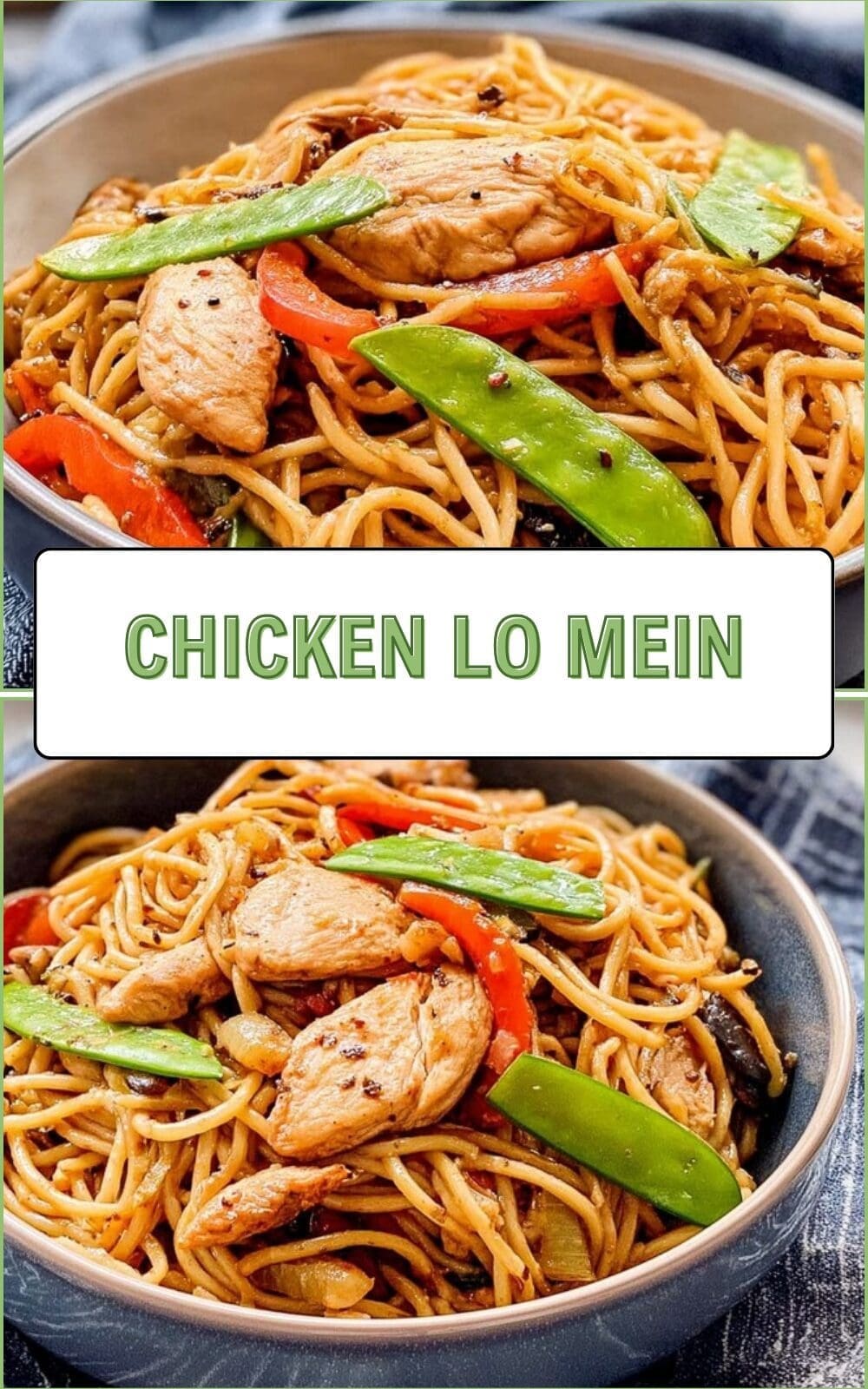
Chicken Lo Mein is a quick, satisfying weeknight meal that tastes like takeout but cooks in about 30 minutes. Whether you are a busy parent juggling homework and dinner, a student in a hurry, or someone who wants bold flavor without fuss, this restaurant style chicken lo mein delivers. The bright mix of vegetables, tender chicken, and glossy noodles makes it a crowd-pleaser every time.
- Ease of preparation: This lo mein recipe moves fast. Most of the work is chopping and a short stir-fry. With just 20 minutes of prep and 10 minutes of cook time, it’s one of those restaurant style dishes you can make on a weeknight.
- Health benefits: Chicken lo mein balances protein, vegetables, and carbs. Using lean chicken and lots of cabbage, carrots, and bean sprouts keeps the calories reasonable while packing vitamins like A and C.
- Versatility: Swap proteins, change the vegetables, or use gluten-free noodles and you still have a tasty chicken lo mein that fits many diets.
- Distinctive flavor: The combo of light and dark soy, oyster sauce, sesame oil, and a touch of Shaoxing wine gives a deep, savory-sweet finish that tastes just like restaurant style chicken lo mein.
Author: Sage Martinez. My blog focuses on fresh, fuss-free meals that fit busy lives and hot kitchens, and this chicken lo mein is a perfect fit for that philosophy. For background on chicken nutrition, check this chicken nutrition resource.
Jump to:
- Why You’ll Love This Chicken Lo Mein
- Essential Ingredients for Chicken Lo Mein
- Special Dietary Options
- How to Prepare the Perfect Chicken Lo Mein: Step-by-Step Guide
- First Step: Prep and mise en place
- Second Step: Handle the noodles
- Third Step: Marinate the chicken
- Fourth Step: Make the sauce
- Fifth Step: High-heat searing
- Sixth Step: Stir-fry the vegetables
- Seventh Step: Combine chicken, noodles, and sauce
- Eighth Step: Final texture check and finish
- Dietary Substitutions to Customize Your Chicken Lo Mein
- Protein and Main Component Alternatives
- Vegetable, Sauce, and Seasoning Modifications
- Mastering Chicken Lo Mein: Advanced Tips and Variations
- Pro cooking techniques
- Flavor variations
- Presentation tips
- Make-ahead options
- How to Store Chicken Lo Mein: Best Practices
- Refrigeration
- Freezing
- Reheating
- Meal prep considerations
- Nutrition Facts
- FAQs: Frequently Asked Questions About Chicken Lo Mein
- What kind of noodles are best for chicken lo mein?
- What type of chicken works best in chicken lo mein?
- What vegetables should I use in chicken lo mein?
- What sauces go into chicken lo mein?
- What’s the difference between lo mein and chow mein?
- Chicken Lo Mein
- Ingredients
- Instructions
- Last Step:
- Notes
- Nutrition
- Did you make this recipe?
Essential Ingredients for Chicken Lo Mein
Below is a clear, structured list of every ingredient needed for this chicken lo mein recipe, followed by special dietary options.
- 1 pound lo mein noodles – the base: yellow egg noodles give the right chew and shine
- 8 oz. boneless skinless chicken thighs or chicken breast, cut into thin strips – main protein; thighs stay juicier, breasts are leaner
- 2 teaspoons cornstarch – helps the chicken get a light glossy coating and tender texture
- 2 teaspoons water – to make the cornstarch slurry
- 2 teaspoons oil plus more for cooking – neutral oil for marinating and stir-frying
- 1 teaspoon oyster sauce – adds umami and depth to the marinade
- 2 tablespoons hot water – to dissolve salt and sugar for the sauce
- 1/8 teaspoon salt – seasoning in the sauce
- 1/8 teaspoon sugar – balances savory flavors
- 1 tablespoon light soy sauce – provides saltiness and body
- 4 teaspoons dark soy sauce – adds color and a richer soy flavor
- 1 teaspoon sesame oil – for that nutty finishing aroma
- 1/8 teaspoon white pepper – mild heat and aroma
- 1 clove garlic, minced – aromatic base for stir-frying
- 4 cups shredded cabbage – bulk vegetable for texture and sweetness
- 2 medium carrots, julienned (about 1.5 cups) – color and crunch
- 1 tablespoon Shaoxing wine or dry sherry cooking wine – adds depth; dry sherry works as a substitute
- 2 cups bean sprouts – added at the end for freshness and snap
- 2 scallions, julienned – finishing garnish and bright flavor
Special Dietary Options
- Vegan: Replace chicken with firm tofu, tempeh, or sliced king oyster mushrooms. Swap oyster sauce for vegetarian mushroom sauce or extra soy plus a pinch of mushroom bouillon.
- Gluten-free: Use gluten-free lo mein-style noodles (rice-based or certified GF egg noodles) and tamari instead of light and dark soy sauces.
- Low-calorie: Use chicken breast, reduce oil to 1 teaspoon for stir-frying, and bulk up with extra cabbage and snap peas to keep volume with fewer calories.
- Tofu: Use firm or extra-firm tofu, pressed and cubed. Toss with 1 teaspoon cornstarch before searing to get a light crust.
- Beef: Thinly sliced flank or skirt steak marinated 10 minutes in soy and cornstarch cooks quickly if stirred over high heat.
- Shrimp: Add peeled shrimp at the point you return the chicken and cook 1-2 minutes until opaque.
- Mushrooms: Thick slices of shiitake or king oyster give a meaty bite for vegetarian versions.
- Gluten-free noodles: Rice-based lo mein-style noodles or certified gluten-free egg noodles are good alternatives; watch timing to prevent mushiness.
- Replace oyster sauce with a mushroom-based vegetarian oyster sauce for vegan versions.
- Use tamari or coconut aminos for a soy-free or gluten-free sauce base.
- Add a splash of rice vinegar or a teaspoon of honey for a brighter or sweeter note.
- For heat, toss in a teaspoon of chili oil or a pinch of crushed red pepper when adding the sauce.
- Use a very hot wok or heavy skillet to get quick sears and fast evaporation; this locks in flavor without overcooking.
- Dry the chicken pieces slightly before searing so they brown instead of steaming pat with paper towel after marinating.
- When tossing noodles, lift from the bottom so sauce reaches the inner strands rather than only coating the top.
- Make it spicy: Add 1 tablespoon of spicy bean paste or a teaspoon of chili crisp to the sauce.
- Make it citrusy: Finish with a teaspoon of fresh lime juice and a sprinkle of chopped cilantro for a lighter lift.
- Make it smoky: Add a drop of liquid smoke or use a smoky soy alternative for an unusual twist.
- Serve in wide shallow bowls so the noodles spread and look glossy.
- Garnish with thin scallion ribbons and a few sesame seeds for texture and visual contrast.
- Place a small mound of bean sprouts at the top for a fresh crunch when serving.
- Prep vegetables and slice chicken up to 24 hours ahead; store in airtight containers in the fridge.
- Mix the sauce in advance and refrigerate; bring to room temperature before using to avoid shocking the hot wok.
- Cooked lo mein is best fresh, but you can refrigerate leftovers. Reheat gently with a splash of water or stock to bring back silkiness. Storing a little extra sauce separately helps keep leftovers moist.
- If you have leftover stock from bones, a great use is a quick soup; see instructions for using rich broths like those in a turkey carcass soup recipe to add depth to noodle dishes.
- Total Time: 30 minutes (plus 10-15 minutes extra if boiling raw noodles)
- Yield: 6 servings 1x
- Prep Time: 20 minutes
- Noodle cooking time (if raw): 10-15 minutes
- Cook Time: 10 minutes
- Category: Main Course
- Method: Stir-frying
- Cuisine: Chinese
- Diet: Gluten-Free Option (use tamari instead of soy sauce)
- Serving Size: 1/6 of recipe
- Calories: 306
- Sugar: 4 g
- Sodium: 502 mg
- Fat: 5 g
- Saturated Fat: 1 g
- Unsaturated Fat: 3 g
- Trans Fat: 0 g
- Carbohydrates: 42 g
- Fiber: 3 g
- Protein: 13 g
- Cholesterol: 58 mg
How to Prepare the Perfect Chicken Lo Mein: Step-by-Step Guide
This step-by-step section follows the exact flow of the restaurant style chicken lo mein recipe. Timing and small technique points are included to help you get glossy, slippery noodles and tender chicken.
First Step: Prep and mise en place
Prep saves time and keeps the stir-fry moving. If your noodles are raw, have a pot ready to boil them. If pre-cooked, let them come to room temperature so they separate easily. Slice the chicken into thin strips so they cook quickly. Julienne the carrots, shred the cabbage, mince the garlic, and julienne the scallions. Measure and mix the sauce ingredients before you heat the wok.
Second Step: Handle the noodles
Check if noodles are raw or pre-cooked. For raw noodles, boil until al dente, rinse with warm water, and drain. For pre-cooked noodles, let them reach room temperature. Toss cooked noodles with a teaspoon of oil to prevent sticking if they seem clumpy. Using the right noodle type is key to restaurant style texture.
Third Step: Marinate the chicken
In a medium bowl, combine chicken with cornstarch, 2 teaspoons water, 2 teaspoons oil, and 1 teaspoon oyster sauce. Let the chicken sit for 10-15 minutes while you prepare vegetables and sauce. This light coat of cornstarch helps lock moisture and gives a silky exterior when seared.
Fourth Step: Make the sauce
In another bowl, dissolve 1/8 teaspoon salt and 1/8 teaspoon sugar in 2 tablespoons hot water. Then mix in 1 tablespoon light soy sauce, 4 teaspoons dark soy sauce, 1 teaspoon sesame oil, and 1/8 teaspoon white pepper to create the sauce. Taste quickly and adjust one small element if needed; for more color, add an extra teaspoon of dark soy.
Fifth Step: High-heat searing
Heat a wok over high heat until very hot, then add 2 tablespoons oil. Spread the chicken in a single layer and sear until browned, about 2-3 minutes per side depending on thickness. Do not overcrowd; sear in batches if needed. Remove the chicken and set aside.
Sixth Step: Stir-fry the vegetables
Add a splash more oil to the hot wok, then stir in the minced garlic and cook 10 seconds until fragrant. Add the shredded cabbage and julienned carrots and stir-fry on high for 1 minute. Push the veggies to the side and pour 1 tablespoon Shaoxing wine or dry sherry around the perimeter of the wok so the alcohol evaporates and lifts flavor.
Seventh Step: Combine chicken, noodles, and sauce
Return the seared chicken and the noodles to the wok. Pour the prepared sauce over the top and mix from the bottom up for 30 seconds, using tongs or chopsticks to toss and separate the noodles so every strand gets sauced. Lower heat to medium, cover, and cook for 1 minute to let flavors marry.
Eighth Step: Final texture check and finish
Uncover and stir-fry the noodles. If they look dry, add 1/4 cup water or stock and stir until the noodles are loose, slippery, and heated through. Add 2 cups bean sprouts and 2 scallions, stir-fry for 1 more minute, then serve immediately. The noodles should be glossy and the vegetables crisp-tender like a restaurant style chicken lo mein.
Tip: High heat and fast movement are the secret to crisp veggies and tender chicken. Prepping everything before you heat the wok keeps the process smooth.

Dietary Substitutions to Customize Your Chicken Lo Mein
Protein and Main Component Alternatives
If you want to switch the protein, here are easy swaps that keep the dish balanced and tasty.
Vegetable, Sauce, and Seasoning Modifications
Swap or add vegetables for seasonal freshness or personal taste. Try red bell pepper, snap peas, baby corn, or bok choy. For sauces:
Mastering Chicken Lo Mein: Advanced Tips and Variations
This section offers pro-level ideas to make your chicken lo mein sing, plus creative twists to try on future runs.
Pro cooking techniques
Flavor variations
Presentation tips
Make-ahead options
How to Store Chicken Lo Mein: Best Practices
Proper storage keeps flavor and texture as close as possible to fresh. Below are safe, practical methods for short- and long-term keeping and reheating.
Refrigeration
Cool the lo mein to room temperature within two hours, then transfer to an airtight container. Refrigerate for up to 3-4 days. Separate any extra sauce if you want to refresh texture when reheating.
Freezing
Freezing lo mein is possible but not ideal for texture. If you must freeze, place cooled lo mein in freezer-safe containers or bags with as much air removed as possible. Freeze up to 2 months. Thaw overnight in the refrigerator before reheating.
Reheating
Reheat in a skillet or wok over medium heat with a splash of water or stock to steam the noodles gently. Microwave in a covered dish for 1-2 minutes, stirring halfway, adding a tablespoon or two of water to keep noodles slippery.
Meal prep considerations
For weekly meal prep, store components separately: noodles, cooked chicken, and vegetables. Combine and toss quickly in a hot skillet to keep each element at its best.
Nutrition Facts
Below is the nutritional breakdown per serving (1/6 of recipe), presented in an easy table for quick reference.
| Nutrient | Per Serving |
|---|---|
| Calories | 306 kcal |
| Carbohydrates | 42 g |
| Protein | 13 g |
| Fat | 5 g |
| Saturated Fat | 1 g |
| Cholesterol | 58 mg |
| Sodium | 502 mg |
| Potassium | 343 mg |
| Fiber | 3 g |
| Sugar | 4 g |
| Vitamin A | 3510 IU |
| Vitamin C | 23.8 mg |
| Calcium | 45 mg |
| Iron | 1.6 mg |
FAQs: Frequently Asked Questions About Chicken Lo Mein
What kind of noodles are best for chicken lo mein?
For authentic chicken lo mein, use yellow egg noodles labeled as lo mein noodles, Hokkien noodles, or fresh “oil noodles” (油面 in Chinese characters). These hold up well during stir-frying and provide the right chewy texture. If uncooked, boil them al dente (about 3-5 minutes), drain in a colander, rinse briefly with warm water to remove excess starch, and shake dry before adding to the wok. Pre-cooked or fresh steamed noodles skip the boiling step and go straight in. Avoid thin rice noodles or spaghetti, as they don’t mimic the traditional soft, glossy strands. This choice keeps your dish from getting mushy and ensures even sauce coating. Prep tip: Toss cooked noodles with a teaspoon of oil to prevent sticking.
What type of chicken works best in chicken lo mein?
Boneless, skinless chicken thighs are ideal for chicken lo mein because they stay juicy and flavorful when seared over high heat, absorbing the sauce without drying out. Cut them into thin bite-sized strips for quick cooking (2-3 minutes per side until browned). Chicken breast works too but can become tough if overcooked—slice it thinly and cook briefly. Marinate with a pinch of cornstarch, soy sauce, and sesame oil for 10-15 minutes beforehand to tenderize. In the wok, sear first with oil, remove, then add back after veggies and noodles. This method locks in moisture and builds rich flavor. Thighs yield about 4 servings from 1 lb, perfect for family meals.
What vegetables should I use in chicken lo mein?
Classic chicken lo mein features carrots (julienned for crunch), cabbage (shredded for tenderness), bean sprouts (added last for freshness), and scallions (for garnish and aroma). These provide balanced textures and colors. Add red bell peppers, mushrooms, or snow peas for variety—stir-fry them 2-3 minutes on high heat until crisp-tender. Start with harder veggies like carrots, then softer ones like cabbage. Aim for 2-3 cups total per recipe to avoid overcrowding the wok. Season lightly with salt during cooking. This combo keeps the dish light yet satisfying, with natural sweetness balancing the savory sauce. Pro tip: Prep all veggies in advance for fast stir-frying.
What sauces go into chicken lo mein?
The signature sauce for chicken lo mein mixes light soy sauce (2 tbsp for saltiness), dark soy sauce (1 tsp for color and depth), oyster sauce (2 tbsp for umami), sesame oil (1 tsp for nuttiness), hot water (1/4 cup to thin), plus salt, sugar (1 tsp each), and white pepper to taste. Whisk together before cooking. Pour over noodles and chicken in the wok, tossing on medium-high heat for 1-2 minutes until glossy. Adjust sugar for sweetness or add chili oil for heat. This simple blend creates the addictive savory-sweet glaze without needing store-bought mixes. Makes enough for 4 servings; store extra in fridge for up to a week. Taste and tweak for your preference.
What’s the difference between lo mein and chow mein?
Lo mein uses soft, boiled egg noodles that are stir-fried and saucy, like in chicken lo mein, resulting in glossy, moist strands tossed with proteins and veggies. Chow mein translates to “stir-fried noodles” and often features crispier, pan-fried noodles on top of toppings or softer versions mixed in, depending on style (American vs. Cantonese). Lo mein is saucier and softer overall, while chow mein emphasizes crunch. For chicken lo mein, stick to boiled lo mein noodles to avoid sogginess. Both take 30 minutes, but chow mein may need extra oil for frying. If reheating lo mein leftovers, microwave covered for 1-2 minutes to restore moisture—avoid refrying to prevent drying.

Chicken Lo Mein
🍜 Authentic restaurant-style chicken lo mein that brings the flavors of your favorite Chinese takeout right to your home kitchen
🥢 Perfectly tender chicken, crisp vegetables, and slippery noodles in a savory sauce that’s better than delivery and ready in 30 minutes
Ingredients
1 pound lo mein noodles for the base: yellow egg noodles give the right chew and shine
8 oz. boneless skinless chicken thighs or chicken breast, cut into thin strips for main protein; thighs stay juicier, breasts are leaner
2 teaspoons cornstarch for helps the chicken get a light glossy coating and tender texture
2 teaspoons water for to make the cornstarch slurry
2 teaspoons oil plus more for cooking for neutral oil for marinating and stir-frying
1 teaspoon oyster sauce for adds umami and depth to the marinade
2 tablespoons hot water for to dissolve salt and sugar for the sauce
1/8 teaspoon salt for seasoning in the sauce
1/8 teaspoon sugar for balances savory flavors
1 tablespoon light soy sauce for provides saltiness and body
4 teaspoons dark soy sauce for adds color and a richer soy flavor
1 teaspoon sesame oil for that nutty finishing aroma
1/8 teaspoon white pepper for mild heat and aroma
1 clove garlic, minced for aromatic base for stir-frying
4 cups shredded cabbage for bulk vegetable for texture and sweetness
2 medium carrots, julienned (about 1.5 cups) for color and crunch
1 tablespoon Shaoxing wine or dry sherry cooking wine for adds depth; dry sherry works as a substitute
2 cups bean sprouts for added at the end for freshness and snap
2 scallions, julienned for finishing garnish and bright flavor
Instructions
1-First Step: Prep and mise en place Prep saves time and keeps the stir-fry moving. If your noodles are raw, have a pot ready to boil them. If pre-cooked, let them come to room temperature so they separate easily. Slice the chicken into thin strips so they cook quickly. Julienne the carrots, shred the cabbage, mince the garlic, and julienne the scallions. Measure and mix the sauce ingredients before you heat the wok.
2-Second Step: Handle the noodles Check if noodles are raw or pre-cooked. For raw noodles, boil until al dente, rinse with warm water, and drain. For pre-cooked noodles, let them reach room temperature. Toss cooked noodles with a teaspoon of oil to prevent sticking if they seem clumpy. Using the right noodle type is key to restaurant style texture.
3-Third Step: Marinate the chicken In a medium bowl, combine chicken with cornstarch, 2 teaspoons water, 2 teaspoons oil, and 1 teaspoon oyster sauce. Let the chicken sit for 10-15 minutes while you prepare vegetables and sauce. This light coat of cornstarch helps lock moisture and gives a silky exterior when seared.
4-Fourth Step: Make the sauce In another bowl, dissolve 1/8 teaspoon salt and 1/8 teaspoon sugar in 2 tablespoons hot water. Then mix in 1 tablespoon light soy sauce, 4 teaspoons dark soy sauce, 1 teaspoon sesame oil, and 1/8 teaspoon white pepper to create the sauce. Taste quickly and adjust one small element if needed; for more color, add an extra teaspoon of dark soy.
5-Fifth Step: High-heat searing Heat a wok over high heat until very hot, then add 2 tablespoons oil. Spread the chicken in a single layer and sear until browned, about 2-3 minutes per side depending on thickness. Do not overcrowd; sear in batches if needed. Remove the chicken and set aside.
6-Sixth Step: Stir-fry the vegetables Add a splash more oil to the hot wok, then stir in the minced garlic and cook 10 seconds until fragrant. Add the shredded cabbage and julienned carrots and stir-fry on high for 1 minute. Push the veggies to the side and pour 1 tablespoon Shaoxing wine or dry sherry around the perimeter of the wok so the alcohol evaporates and lifts flavor.
7-Seventh Step: Combine chicken, noodles, and sauce Return the seared chicken and the noodles to the wok. Pour the prepared sauce over the top and mix from the bottom up for 30 seconds, using tongs or chopsticks to toss and separate the noodles so every strand gets sauced. Lower heat to medium, cover, and cook for 1 minute to let flavors marry.
8-Eighth Step: Final texture check and finish Uncover and stir-fry the noodles. If they look dry, add 1/4 cup water or stock and stir until the noodles are loose, slippery, and heated through. Add 2 cups bean sprouts and 2 scallions, stir-fry for 1 more minute, then serve immediately. The noodles should be glossy and the vegetables crisp-tender like a restaurant style chicken lo mein.
Last Step:
Please leave a rating and comment letting us know how you liked this recipe! This helps our business to thrive and continue providing free, high-quality recipes for you.Notes
🍜 Use authentic lo mein noodles (yellow egg noodles) for the best texture – they’re specifically designed for stir-frying and absorb sauce perfectly
🔥 Keep your wok smoking hot during stir-frying to maintain the crisp texture of vegetables and develop that authentic restaurant flavor
🥢 Don’t overcrowd the pan – stir-fry in batches if needed to ensure everything cooks evenly and gets that perfect sear


