

Why You’ll Love This fresh mint tea
If you’re looking for a beverage that’s both refreshing and beneficial for your health, fresh mint tea is an excellent choice. Here are some reasons why this simple drink should become a staple in your routine:
- Ease of preparation: Making this herbal tea requires just two basic ingredients and takes only 8 minutes from start to finish. You don’t need any special equipment or complicated techniques, just fresh mint and boiling water. This simple process makes it accessible even on your busiest days.
- Health benefits: Fresh mint tea is naturally caffeine-free and packed with beneficial compounds. It may help soothe upset stomachs, reduce indigestion, combat inflammation, relieve allergies, ease cold symptoms, and provide stress relief. The healing properties of mint make this beverage more than just a tasty treat.
- Versatility: This tea adapts beautifully to different preferences and occasions. Enjoy it hot on chilly mornings or pour it over ice for a cooling summer beverage. You can customize the sweetness level, add citrus for brightness, or even incorporate other herbs for complexity.
- Distinctive flavor: The vibrant taste of fresh mint tea sets it apart from bagged teas. Using freshly picked leaves releases aromatic oils that create a bright, refreshing flavor profile with a natural sweetness that can’t be replicated with dried leaves. The cooling sensation makes each sip invigorating and satisfying.
The beauty of fresh mint tea lies in its simplicity just a few minutes of preparation yields a beverage that’s both therapeutic and delightfully refreshing.
Jump to:
- Why You’ll Love This fresh mint tea
- Essential Ingredients for fresh mint tea
- How to Prepare the Perfect fresh mint tea: Step-by-Step Guide
- First Step: Preparing the Mint Leaves
- Second Step: Infusing the Leaves
- Third Step: Steeping to Perfection
- Fourth Step: Straining the Tea
- Final Step: Serving and Enjoying
- Preparing the Golden Turmeric Twist
- Dietary Substitutions to Customize Your fresh mint tea
- Protein and Main Component Alternatives
- Vegetable, Sauce, and Seasoning Modifications
- Mastering fresh mint tea: Advanced Tips and Variations
- Pro Cooking Techniques
- Flavor Variations
- Presentation Tips
- Make-Ahead Options
- How to Store fresh mint tea: Best Practices
- FAQs: Frequently Asked Questions About fresh mint tea
- How do I make fresh mint tea at home?
- What are the health benefits of drinking fresh mint tea?
- Can I drink fresh mint tea if I’m pregnant or have health conditions?
- How long can I store fresh mint tea in the refrigerator?
- Is fresh mint tea good for kids?
- fresh mint tea
- Ingredients
- Instructions
- Last Step:
- Notes
- Nutrition
- Did you make this recipe?
Essential Ingredients for fresh mint tea
Creating the perfect cup of fresh mint tea begins with quality ingredients. Here’s what you’ll need:
- 1 ounce (about 1 cup packed) fresh mint leaves Spearmint, peppermint, or chocolate mint work best. The quality of your mint leaves directly impacts the flavor of your tea, so choose fresh, vibrant leaves whenever possible.
- 4 cups boiling water The ideal temperature for extracting the maximum flavor and beneficial compounds from the mint leaves. Using water that has just reached a boil ensures proper infusion.
- Honey, maple syrup, or other sweetener (to taste) Optional, but adds a pleasant sweetness that complements mint’s natural flavors. This ingredient can be adjusted based on personal preference.
- Fresh lemon or lime wedges (for serving) Optional citrus garnish that brightens the flavor profile of the tea and adds a touch of vitamin C.
Special Dietary Options:
- Vegan: Skip honey and use maple syrup, agave nectar, or sugar as a sweetener. For creaminess, choose plant-based milk options like almond, coconut, or oat milk.
- Gluten-free: All basic ingredients for mint tea are naturally gluten-free. If adding sweeteners or milk alternatives, check labels to ensure no gluten-containing additives.
- Low-calorie: Omit sweeteners or use zero-calorie alternatives like stevia. The natural flavor of mint is satisfying on its own and requires minimal enhancement.
How to Prepare the Perfect fresh mint tea: Step-by-Step Guide
Making fresh mint tea is a straightforward process that yields impressive results. Follow these detailed instructions to create a aromatic, flavorful brew:
First Step: Preparing the Mint Leaves
Begin by washing and gently drying your fresh mint leaves. Give them a quick rinse under cool water to remove any dirt or debris, then pat them dry with a clean towel or paper towel. Once dry, tear the mint leaves into smaller pieces with your hands. This tearing action helps to release the essential oils that give mint its distinctive flavor and aroma. Next, gently roll or twist the torn leaves between your hands to further release these aromatic oils. You’ll notice the minty fragrance becoming more pronounced as you handle the leaves.
Second Step: Infusing the Leaves
Transfer the prepared mint leaves to a teapot or any heatproof container. A glass container works particularly well if you want to watch the infusion process. Heat 4 cups of water in a kettle or pot until it reaches a full, rolling boil. Once boiling, carefully pour the hot water over the mint leaves in your container. Ensure all leaves are submerged to allow for even extraction of flavor. The hot water will cause the leaves to darken slightly and begin releasing their oils immediately.
Third Step: Steeping to Perfection
Allow the mint tea to steep for 3 to 7 minutes, depending on your preferred strength. For a lightly flavored tea, 3 minutes will suffice. However, for a more robust mint flavor, allow it to steep for the full 7 minutes. The standard steeping time is 5 minutes, which strikes a nice balance between subtle flavor and pronounced mintiness. If you plan to pour the tea over ice, consider steeping it slightly longer to account for dilution from the ice. Feel free to experiment with steeping times to find your perfect cup of fresh mint tea.
Fourth Step: Straining the Tea
Once your tea has reached the desired strength, it’s time to remove the mint leaves. Place a fine-mesh strainer over another teapot or directly into your serving cups. Carefully pour the tea through the strainer to separate the leaves from the liquid. If you don’t have a strainer, you can use a slotted spoon or pour slowly while holding back the leaves with the lid. This step ensures a smooth, leaf-free drinking experience while allowing the beneficial compounds to remain in the tea.
Final Step: Serving and Enjoying
Your fresh mint tea is now ready to be enjoyed! If desired, stir in your sweetener of choice to taste. For those who enjoy creaminess in their tea, add a splash of milk dairy or plant-based. The tea can be served immediately while hot, or you can pour it over ice for a refreshing iced version. Garnish with fresh lemon or lime wedges for a citrusy twist that complements the mint beautifully. Consider adding a fresh mint sprig as an edible garnish for an extra touch of elegance.
Preparing the Golden Turmeric Twist
For those who want to add a golden turmeric twist to their fresh mint tea, prepare a small amount of golden paste separately. Mix 1 teaspoon of ground turmeric with 2 tablespoons of hot water and a pinch of black pepper (which helps with turmeric absorption). Stir this paste into your strained mint tea for a wellness boost that pairs surprisingly well with mint’s refreshing properties. This variation combines the digestive benefits of mint with the anti-inflammatory properties of turmeric.
| Step> | Action> | Time |
|---|---|---|
| 1 | Wash and prepare mint leaves | 2 minutes |
| 2 | Pour boiling water over leaves | 1 minute |
| 3 | Steep to desired strength | 3-7 minutes |
| 4 | Strain leaves from liquid | 1 minute |
| 5 | Add sweeteners and serve | 1-2 minutes |

Dietary Substitutions to Customize Your fresh mint tea
Protein and Main Component Alternatives
While traditional fresh mint tea doesn’t contain protein, you can enhance its nutritional profile or adapt it to specific dietary needs with these alternatives:
- Collagen peptides: Add a scoop of unflavored collagen powder to your tea for a protein boost that won’t affect the mint flavor. This works especially well in hot tea, as it dissolves completely.
- Plant-based protein powder: For a post-workout recovery drink, whisk in a serving of vanilla or unflavored plant protein. This transforms your tea into a more substantial beverage that can serve as a light meal replacement.
- MCT oil or coconut oil: For those following keto diets, adding a healthy fat can increase satiety and provide energy. These oils blend smoothly into warm mint tea and add a subtle richness. ul>
- Additional herbs: Combine mint with other complementary herbs like basil, lemon verbena, or chamomile for complex flavor profiles. Each additional herb brings its own health benefits and taste notes to your brew.
- Sweetener alternatives: Beyond honey and maple syrup, try monk fruit sweetener, date syrup, or apple juice concentrate for natural sweetness with varied flavor profiles. Each sweetener will interact differently with the mint flavor.
- Spice blends: For a warming version of fresh mint tea in colder months, add a pinch of cinnamon, cardamom, or ginger. These spices not only enhance flavor but bring their own health benefits to the mix.
- Floral additions: Dried lavender buds or rose petals can add sophisticated floral notes that complement mint’s freshness beautifully. Start with small amounts as these flavors can be quite potent.
- Refrigeration: Store leftover strained mint tea in a sealed glass container in the refrigerator for up to 24 hours. Glass containers are preferable as they don’t absorb odors or flavors. Before refrigerating, allow the tea to cool to room temperature to prevent condensation from diluting the flavor.
- Freezing: For longer storage, freeze the tea in ice cube trays. Once frozen, transfer the cubes to freezer bags for easy portion control. These cubes can be used directly in iced tea or thawed for hot tea consumption. Frozen mint tea cubes will maintain their quality for up to 2 months.
- Reheating: When enjoying stored mint tea hot, avoid using a microwave, which can create uneven heating and diminish flavor. Instead, warm the tea gently in a saucepan over low heat, stirring occasionally until it reaches your desired temperature. This method preserves the delicate mint oils.
- Meal prep considerations: For those who like to prepare beverages in advance, brew a stronger-than-usual batch of mint tea on Sunday to use throughout the week. Store in small portion containers that can be quickly warmed or poured over ice. Remember that flavors may intensify slightly with storage, so taste before adding additional sweeteners.
- Total Time: 12 minutes
- Yield: 4 servings 1x
- Prep Time: 5 minutes
- Cook Time: 7 minutes
- Category: Beverages
- Method: Steeping and Infusing
- Cuisine: International
- Diet: Vegetarian/Vegan
- Serving Size: 1 cup
- Calories: 25
- Sugar: 6
- Sodium: 10
- Fat: 1
- Saturated Fat: 0.5
- Unsaturated Fat: 0.5
- Trans Fat: 0
- Carbohydrates: 6
- Fiber: 0.5
- Protein: 0.5
- Cholesterol: 0
Vegetable, Sauce, and Seasoning Modifications
The beauty of fresh mint tea lies in its versatility. Consider these creative modifications to suit your taste preferences or dietary requirements:
Mastering fresh mint tea: Advanced Tips and Variations
Once you’ve mastered the basic fresh mint tea recipe, you can elevate your experience with these expert tips and creative variations:
Pro Cooking Techniques
The quality of your fresh mint tea depends significantly on your technique. To extract maximum flavor, roll or twist the mint leaves firmly but gently before adding hot water. This bruises the leaves just enough to release their essential oils without destroying their cellular structure. For cold brewing, room temperature water works best, steeping overnight in the refrigerator. This method produces a smoother, less bitter flavor with all the nutritional benefits intact.
Flavor Variations
Experiment with different mint varieties to discover unique flavor profiles. Chocolate mint adds a subtle cocoa note, while apple mint provides a fruitier dimension. For medicinal purposes, peppermint offers the strongest menthol properties, making it ideal for digestive issues. Consider creating a mint blend by combining different varieties in a single brew.
When making iced tea, remember that ice will dilute the flavor, so brew your fresh mint tea stronger than you would for hot servings. Adding extra mint leaves compensates for this dilution and ensures full flavor enjoyment.
Presentation Tips
For special occasions or everyday enjoyment, presentation enhances the complete tea experience. Serve hot mint tea in clear glass mugs to showcase its beautiful color. For iced versions, use tall glasses filled with clear ice cubes to maintain visual appeal. Add mint leaf garnishes just before serving to keep them vibrant and fresh. Consider freezing mint leaves into ice cubes for an elegant touch that gradually flavors the tea as the ice melts.
Make-Ahead Options
Fresh mint tea is perfect for batch preparation. Brew a larger quantity and store in the refrigerator for up to 24 hours (remember to refrigerate promptly after brewing to maintain freshness). For longer storage, freeze the tea in ice cube trays that can be quickly thawed or used directly in iced tea. When preparing for gatherings, set up a DIY mint tea station with various garnishes and sweeteners, allowing guests to customize their beverages.
How to Store fresh mint tea: Best Practices
Proper storage ensures your fresh mint tea maintains its flavor and beneficial properties. Here are the best practices:
FAQs: Frequently Asked Questions About fresh mint tea
How do I make fresh mint tea at home?
To make fresh mint tea, start by rinsing a handful of fresh mint leaves. Boil water and pour it over the leaves in a teapot or cup. Let it steep for 5 to 10 minutes, depending on how strong you like it. Strain the leaves before drinking. You can add honey, lemon, or ginger for extra flavor. Using fresh leaves rather than dried ensures a more vibrant taste and aroma.
What are the health benefits of drinking fresh mint tea?
Fresh mint tea is known to aid digestion, soothe headaches, and relieve stress. It contains antioxidants and natural anti-inflammatory compounds. Drinking mint tea can help relax stomach muscles, reduce nausea, and may improve respiratory function. These benefits make it a gentle, natural choice for supporting overall wellness.
Can I drink fresh mint tea if I’m pregnant or have health conditions?
While fresh mint tea is generally safe in moderate amounts, pregnant women or those with specific health conditions should consult a healthcare professional before regular consumption. Mint can sometimes cause heartburn or interact with certain medications. Checking with a doctor ensures it fits your individual health needs.
How long can I store fresh mint tea in the refrigerator?
Fresh mint tea can be stored in the refrigerator for up to 3 days. Keep it in a sealed container to maintain freshness and prevent odors from other foods. When ready to drink, enjoy it cold or gently reheat it on the stove. Avoid reheating in a microwave for best flavor retention.
Is fresh mint tea good for kids?
Yes, fresh mint tea can be a soothing, caffeine-free drink for children when given in small amounts. It may help with digestion and mild stomach discomfort. However, it’s best to serve it lukewarm and without added sweeteners like honey for children under one year. Always check with a pediatrician if you have concerns about introducing new herbal teas.
fresh mint tea
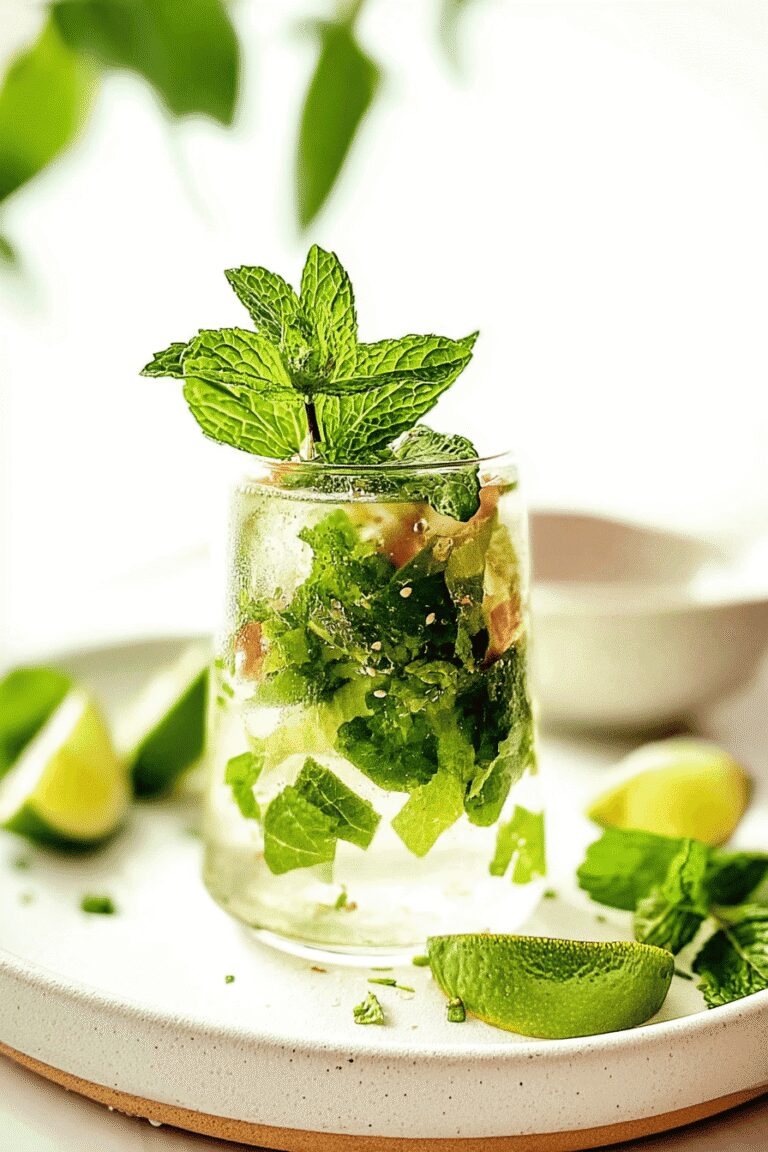
🌿 Refreshing mint tea that soothes digestion and provides natural stress relief while offering a burst of refreshing flavor
🌼 Golden turmeric twist adds powerful anti-inflammatory benefits and creates a vibrant, healing elixir perfect for any season
Ingredients
1 ounce (about 1 cup packed) fresh mint leaves
4 cups boiling water
Honey, maple syrup, or other sweetener (to taste)
Fresh lemon or lime wedges for serving
Instructions
1-First Step: Preparing the Mint Leaves Begin by washing and gently drying your fresh mint leaves. Give them a quick rinse under cool water to remove any dirt or debris, then pat them dry with a clean towel or paper towel. Once dry, tear the mint leaves into smaller pieces with your hands. This tearing action helps to release the essential oils that give mint its distinctive flavor and aroma. Next, gently roll or twist the torn leaves between your hands to further release these aromatic oils. You’ll notice the minty fragrance becoming more pronounced as you handle the leaves.
2-Second Step: Infusing the Leaves Transfer the prepared mint leaves to a teapot or any heatproof container. A glass container works particularly well if you want to watch the infusion process. Heat 4 cups of water in a kettle or pot until it reaches a full, rolling boil. Once boiling, carefully pour the hot water over the mint leaves in your container. Ensure all leaves are submerged to allow for even extraction of flavor. The hot water will cause the leaves to darken slightly and begin releasing their oils immediately.
3-Third Step: Steeping to Perfection Allow the mint tea to steep for 3 to 7 minutes, depending on your preferred strength. For a lightly flavored tea, 3 minutes will suffice. However, for a more robust mint flavor, allow it to steep for the full 7 minutes. The standard steeping time is 5 minutes, which strikes a nice balance between subtle flavor and pronounced mintiness. If you plan to pour the tea over ice, consider steeping it slightly longer to account for dilution from the ice. Feel free to experiment with steeping times to find your perfect cup of fresh mint tea.
4-Fourth Step: Straining the Tea Once your tea has reached the desired strength, it’s time to remove the mint leaves. Place a fine-mesh strainer over another teapot or directly into your serving cups. Carefully pour the tea through the strainer to separate the leaves from the liquid. If you don’t have a strainer, you can use a slotted spoon or pour slowly while holding back the leaves with the lid. This step ensures a smooth, leaf-free drinking experience while allowing the beneficial compounds to remain in the tea.
5-Final Step: Serving and Enjoying Your fresh mint tea is now ready to be enjoyed! If desired, stir in your sweetener of choice to taste. For those who enjoy creaminess in their tea, add a splash of milk dairy or plant-based. The tea can be served immediately while hot, or you can pour it over ice for a refreshing iced version. Garnish with fresh lemon or lime wedges for a citrusy twist that complements the mint beautifully. Consider adding a fresh mint sprig as an edible garnish for an extra touch of elegance.
6-Preparing the Golden Turmeric Twist: For those who want to add a golden turmeric twist to their fresh mint tea, prepare a small amount of golden paste separately. Mix 1 teaspoon of ground turmeric with 2 tablespoons of hot water and a pinch of black pepper (which helps with turmeric absorption). Stir this paste into your strained mint tea for a wellness boost that pairs surprisingly well with mint’s refreshing properties. This variation combines the digestive benefits of mint with the anti-inflammatory properties of turmeric.
Last Step:
Please leave a rating and comment letting us know how you liked this recipe! This helps our business to thrive and continue providing free, high-quality recipes for you.Notes
🌱 The black pepper is essential – it increases turmeric absorption by up to 2000%, making the anti-inflammatory compounds more bioavailable
🧊 For iced version, make the tea stronger than usual since ice will dilute the flavors, especially the mint essence
⭐ Fresh mint makes a huge difference – if using dried, reduce the amount to 1/3 as dried herbs are more concentrated