

Why You’ll Love This homemade apple cider
There’s something magical about brewing your own homemade apple cider that instantly transforms the atmosphere of your home. I’m telling you, when that warm cinnamon scent fills the kitchen, it feels like instant comfort honestly, everyone who walks through the door just lights up!
- Ease of preparation: Making homemade apple cider is surprisingly simple and requires minimal active cooking time. Just toss all the ingredients into a pot, let it simmer, and your home will be filled with the most inviting aroma. With only 10-15 minutes of prep time and mostly hands-off cooking, it’s perfect for busy days when you want something special without the fuss.
- Health benefits: This homemade apple cider recipe packs a nutritional punch with natural fruit ingredients and minimal added sugars. The apples provide fiber, vitamin C, and antioxidants, while the warming spices offer anti-inflammatory properties. Unlike store-bought versions that often contain preservatives and excess sweeteners, you control exactly what goes into your pot.
- Versatility: The beauty of homemade apple cider lies in its adaptability. You can easily modify the recipe based on seasonal preferences, dietary needs, or just what you happen to have in your kitchen. From changing up the apple varieties to experimenting with different spice combinations, each batch can be customized to your taste buds.
- Distinctive flavor: Nothing compares to the complex, layered flavors of homemade apple cider. The slow simmering process extracts maximum flavor from the fruits and spices, creating a depth that simply can’t be replicated with commercial versions. The balance of sweet apples, tangy oranges, and aromatic spices creates a warming beverage that’s truly one-of-a-kind.
“The secret to exceptional homemade apple cider isn’t fancy equipment it’s time and patience. Let those spices work their magic slowly, and you’ll be rewarded with a drink that tastes like autumn in a mug.”
Jump to:
- Why You’ll Love This homemade apple cider
- Essential Ingredients for homemade apple cider
- Special Dietary Options
- How to Prepare the Perfect homemade apple cider: Step-by-Step Guide
- First Step: Preparation and Mise en Place
- Second Step: Combine Ingredients in Pot
- Third Step: Add Water and Heat Mixture
- Fourth Step: Initial Simmering Process
- Fifth Step: Mash and Continue Simmering
- Sixth Step: Strain the Mixture
- Final Step: Sweeten and Serve
- Dietary Substitutions to Customize Your homemade apple cider
- Protein and Main Component Alternatives
- Vegetable, Sauce, and Seasoning Modifications
- Mastering homemade apple cider: Advanced Tips and Variations
- Pro Cooking Techniques
- Flavor Variations
- Presentation Tips
- Make-Ahead Options
- How to Store homemade apple cider: Best Practices
- Refrigeration
- Freezing
- Reheating
- Meal Prep Considerations
- FAQs: Frequently Asked Questions About homemade apple cider
- What types of apples are best for making homemade apple cider?
- How do I make apple cider at home safely?
- Can I use frozen apples to make apple cider?
- How long does homemade apple cider last in the fridge?
- What are some common reasons homemade apple cider tastes off and how can I fix it?
- homemade apple cider
- Ingredients
- Instructions
- Last Step:
- Notes
- Nutrition
- Did you make this recipe?
Essential Ingredients for homemade apple cider
Creating the perfect homemade apple cider starts with quality ingredients. Each component plays an important role in building that signature flavor profile that makes this drink so irresistible.
- 10-12 medium apples, assorted types (e.g., Granny Smith, Gala, Golden Delicious), quartered – Using a mix of sweet and tart apples creates a balanced flavor profile and vibrant color.
- 2 oranges, quartered (peeled if preferred for less tartness) – Adds a bright citrus note that complements the earthiness of the apples and spices.
- 4 cinnamon sticks – The backbone of the cider’s warm, comforting aroma and flavor.
- 1 tablespoon whole cloves – Provides a pungent, aromatic quality that pairs perfectly with the other spices.
- Optional seasonings: 1 teaspoon whole allspice, 1 whole nut grated, or 1-inch piece fresh ginger, sliced – These optional additions allow you to customize the flavor profile to your preference.
- 16 cups water – Creates the broth that carries all the flavors from the fruits and spices.
- 1/2 cup sweetener (e.g., brown sugar or maple syrup), adjust to taste – Balances the tartness of the fruit without overpowering the natural flavors.
Special Dietary Options
- Vegan: This recipe is naturally vegan when using maple syrup as the sweetener instead of honey.
- Gluten-free: All ingredients in this homemade apple cider recipe are naturally gluten-free.
- Low-calorie: Reduce the sweetener to 1/4 cup or substitute with a natural calorie-free sweetener like stevia or monk fruit.
The beauty of this recipe is how forgiving it is you can adjust quantities based on what’s available or your personal taste preferences. Remember that the quality of your apples will significantly impact the final taste, so choose the freshest ones you can find.
How to Prepare the Perfect homemade apple cider: Step-by-Step Guide
Ready to create that amazing homemade apple cider that will fill your home with irresistible aromas? Follow these simple steps for a foolproof result every time.
First Step: Preparation and Mise en Place
Begin by thoroughly washing your apples and oranges. There’s no need to peel the apples unless you prefer a smoother texture keeping the peels on actually enhances both the flavor and nutritional content of your homemade apple cider. Quarter the fruits, leaving seeds and cores intact as they’ll be strained out later. Gather your spices and sweetener so everything is ready to go before you turn on the heat.
Second Step: Combine Ingredients in Pot
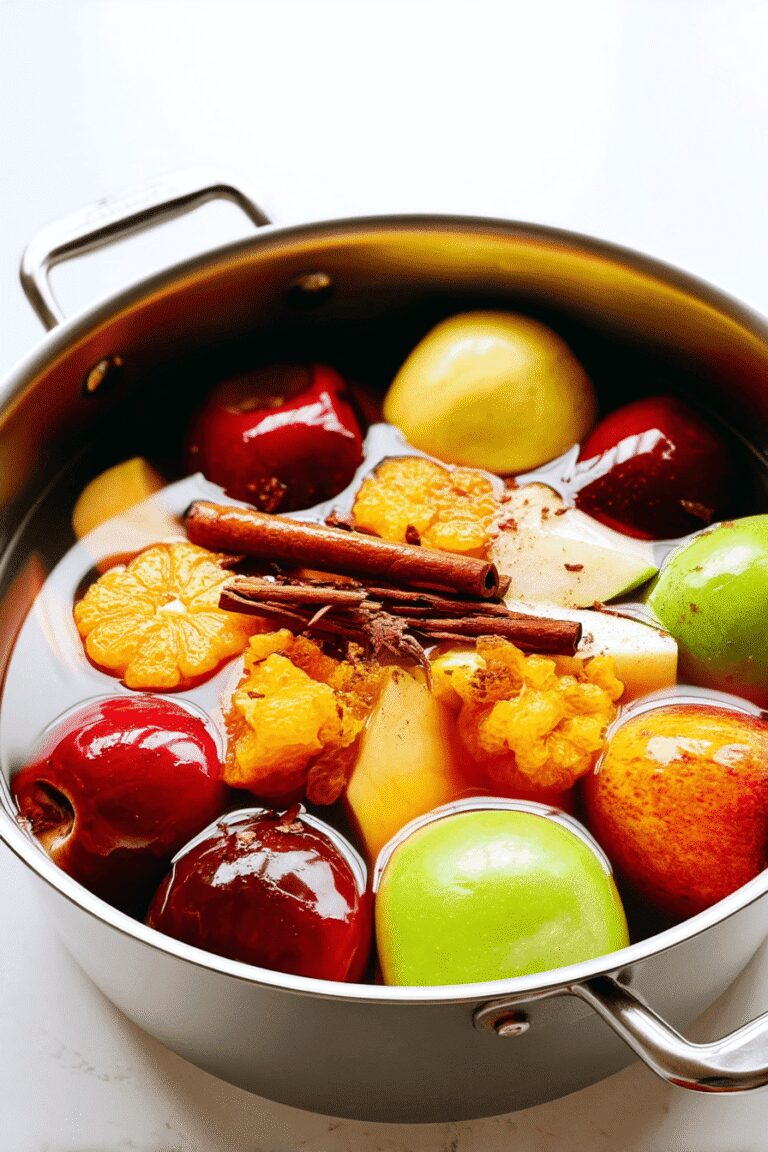
In a large stockpot, combine the quartered apples, oranges, cinnamon sticks, whole cloves, and any optional seasonings you’re using whether that’s allspice, freshly grated nutmeg, or sliced ginger. The spices are what give homemade apple cider its signature warmth, so don’t be shy with them! Make sure your pot is large enough to hold all the ingredients plus water with some room to prevent boiling over.
Third Step: Add Water and Heat Mixture
Cover the fruit and spice mixture with 16 cups of water, leaving about 1-2 inches of space at the top of the pot to prevent overflowing during cooking. Place the pot over medium-high heat and bring the mixture to a gentle simmer. You’ll start noticing the wonderful aroma after just a few minutes that’s the sign that your homemade apple cider is coming together beautifully!
Fourth Step: Initial Simmering Process
Once the mixture reaches a simmer, reduce the heat to medium-low and cover the pot with a lid. Let it simmer gently for 2 hours, or until the apples are very soft and falling apart. This slow cooking process allows the flavors to meld together and develop that rich complexity that makes homemade apple cider so special. Check occasionally to ensure the mixture maintains a gentle simmer and doesn’t boil too vigorously.
Fifth Step: Mash and Continue Simmering
After the initial 2 hours, use a large spoon or potato masher to press the softened apples and oranges against the sides of the pot. This helps release more juice and flavor into the liquid. Cover again and continue simmering for another hour. The longer simmering time intensifies the flavor and creates that perfect balance of sweetness and spice that defines great homemade apple cider.
Sixth Step: Strain the Mixture
Set a fine-mesh strainer or cheesecloth over a large bowl or another pot. Carefully pour the cooked mixture through the strainer, pressing firmly on the solids with a spoon or spatula to extract as much liquid as possible. Don’t be afraid to press really hard this is where all the delicious flavors come from! Discard the solids or save them for another use (see tips section).
Final Step: Sweeten and Serve
Return the strained liquid to the pot if you used a separate bowl for straining. Stir in your sweetener of choice brown sugar or maple syrup work wonderfully in homemade apple cider. Start with 1/2 cup, taste, and add more if desired. Gently heat the cider until it’s warm throughout, but don’t let it boil. Serve your delicious homemade apple cider in mugs, garnished with fresh orange slices and cinnamon sticks if you’re feeling fancy!
| Preparation Details> | Time> |
|---|---|
| Prep Time | 10-15 minutes |
| Cook Time | 3 hours (Simmering: 2 hours + 1 hour) |
| Total Time | 3 hours 10-15 minutes |
| Yield | Approximately 12 servings |

Dietary Substitutions to Customize Your homemade apple cider
Protein and Main Component Alternatives
While traditional homemade apple cider relies on apples as the primary ingredient, you can experiment with different fruits based on seasonal availability or personal preference. Pears make an excellent substitute for up to half the apples, imparting a softer, more delicate flavor. For a different profile, consider adding 2-3 quince, which contribute a lovely floral note and natural pectin that slightly thickens the cider.
If you’re following a specific dietary approach, you might consider adding protein powder to your finished cider for an added nutritional boost. Unflavored collagen powder dissolves easily in warm liquids and doesn’t alter the taste. For plant-based alternatives, a scoop of vanilla or cinnamon-flavored plant protein can complement the existing flavors beautifully.
Vegetable, Sauce, and Seasoning Modifications
Don’t be afraid to experiment with vegetables in your homemade apple cider for added complexity and nutrients. A small beet (peeled and quartered) adds beautiful color and earthy sweetness without overpowering the apple flavor. Carrots, also quartered, can contribute natural sweetness and body to the finished cider.
For sweeteners beyond the traditional brown sugar and maple syrup, consider using honey (not vegan), coconut sugar for a lower glycemic option, or agave nectar as a liquid alternative. If you prefer a spicier kick, add a dash of cayenne pepper along with the other spices, or for a fun twist, a few black peppercorns can add an unexpected but pleasant warmth.
The beauty of homemade apple cider is its flexibility feel free to adjust spices and add-ins based on what you enjoy most. The recipe makes an excellent base that welcomes creative adaptations based on your taste preferences.
Mastering homemade apple cider: Advanced Tips and Variations
Once you’ve mastered the basic homemade apple cider recipe, you might want to elevate your game with these expert tips and creative variations. These small adjustments can make a significant difference in the final product!
Pro Cooking Techniques
For the most flavorful homemade apple cider, resist the urge to rush the simmering process. The longer and slower you cook it (within reason), the more concentrated and complex the flavors will become. If your cider tastes too thin or watery after straining, return it to the pot and simmer uncovered for an additional 30 minutes to reduce and concentrate the flavors.
When mashing the apples, be thorough but not aggressive you want to break them down to release juice without pulverizing them into bits that will be difficult to strain. A potato masher works better than a whisk for this purpose, as it gives you more control and won’t incorporate air into the mixture.
Flavor Variations
- For a chai-spiced version, add a chai tea bag along with the spices and let it steep throughout the cooking process.
- Create a caramel apple cider by stirring in 2 tablespoons of caramel sauce per batch just before serving.
- Add a vanilla bean (split lengthwise) for a sophisticated, aromatic twist.
- For adults, spike the finished cider with 1-2 ounces of bourbon or brandy per serving.
- During the holidays, try adding star anise and cardamom for a festive flavor profile.
Presentation Tips
Serving your homemade apple cider in clear mugs helps showcase its beautiful amber color. Consider rimming the glasses with a mixture of cinnamon and sugar for an extra-special touch. A thin slice of apple with a peel twisted into a spiral makes an elegant garnish, as does a cinnamon stick standing upright in each mug.
Make-Ahead Options
Homemade apple cider can be prepared up to 3 days in advance and reheated gently before serving. In fact, many cider enthusiasts claim the flavor actually improves after a day or two as the spices have more time to meld with the fruit. For parties, prepare the cider completely and keep it warm in a slow cooker on the lowest setting for serving throughout the event.
“The pulp left after straining your homemade apple cider is gold! Blend it with a dash of cinnamon for instant applesauce, or fold it into muffin or coffee cake batter for extra moisture and flavor.”
How to Store homemade apple cider: Best Practices
Proper storage ensures your delicious homemade apple cider stays fresh and flavorful for as long as possible. Here are the best methods to preserve your hard work:
Refrigeration
Store your homemade apple cider in an airtight container in the refrigerator for up to one week. Glass jars with tight-fitting lids work best as they won’t absorb odors or impart any unwanted flavors to the cider. Make sure the cider has cooled completely before sealing and refrigerating to prevent condensation that could dilute the flavors.
Freezing
For longer storage, freeze your homemade apple cider in freezer-safe containers, leaving 2 inches of headspace to allow for expansion during freezing. This prevents containers from cracking as the liquid freezes. Frozen cider will maintain its quality for up to 3 months. Consider freezing in portion-sized containers for easy thawing of just what you need.
Reheating
When reheating refrigerated or thawed homemade apple cider, do so gently over medium-low heat to preserve the delicate spice flavors. Avoid bringing it to a boil, as this can cause some of the aromatic compounds to break down, resulting in a flatter flavor profile. If the cider tastes slightly flat after reheating, a squeeze of fresh orange juice or an extra pinch of cinnamon can brighten it up.
Meal Prep Considerations
Homemade apple cider is perfect for batch cooking and meal prep. Make a large batch over the weekend to enjoy throughout the week. Consider portioning it into individual servings for quick reheating each morning a warm mug of cider makes a comforting alternative to coffee or tea. The cider can also be used as a flavorful base for other recipes like poached fruits or oatmeal throughout the week.
FAQs: Frequently Asked Questions About homemade apple cider
What types of apples are best for making homemade apple cider?
For homemade apple cider, it’s best to use a mix of sweet and tart apples to achieve a balanced flavor. Popular choices include Gala, Honeycrisp, Fuji, Cortland, Golden Delicious, Pink Lady, Granny Smith, Red Delicious, and McIntosh. Using a variety helps create depth and complexity in the cider’s taste. Aim for fresh, ripe apples for the best juice quality.
How do I make apple cider at home safely?
To make apple cider at home safely, start by thoroughly washing your apples to remove dirt and bacteria. Use a clean press or juicer to extract the juice. It’s important to refrigerate the cider immediately to prevent spoilage. If you want the cider to last longer, you can pasteurize it by heating the juice to 160°F (71°C) for about 6-10 minutes, then cool and store it in sterilized containers.
Can I use frozen apples to make apple cider?
Yes, frozen apples can be used to make apple cider, but it’s best to thaw them completely before juicing. Frozen apples may become softer and lose some crispness, potentially affecting the texture and flavor slightly. However, the juice extracted will still be suitable for cider, especially if blended with fresh apples.
How long does homemade apple cider last in the fridge?
Homemade apple cider typically stays fresh in the refrigerator for up to 7 days if stored in an airtight container. For longer storage, consider freezing the cider or pasteurizing it to slow fermentation and spoilage. Always check for any off smells or tastes before consuming.
What are some common reasons homemade apple cider tastes off and how can I fix it?
Homemade apple cider can taste off due to fermentation, contamination, or using overripe or bruised apples. To avoid this, use fresh apples, sanitize all equipment, and refrigerate the cider promptly after juicing. If the cider tastes too sour or fizzy, it may have started fermenting; in this case, you can use it for cooking or vinegar rather than drinking fresh.
homemade apple cider
🍎 Enjoy a warm, comforting drink packed with antioxidants from fresh apples and oranges that supports immune health
🍊 Experience the perfect blend of autumn spices that creates natural warmth and comfort while providing essential vitamins and minerals
- Total Time: 3 hours 12 minutes
- Yield: 12 servings
Ingredients
– 10-12 medium apples, assorted types [Using a mix of sweet and tart apples creates a balanced flavor profile and vibrant color]
– 2 oranges, quartered [Adds a bright citrus note that complements the earthiness of the apples and spices]
– 4 cinnamon sticks [The backbone of the cider’s warm, comforting aroma and flavor]
– 1 tablespoon whole cloves [Provides a pungent, aromatic quality that pairs perfectly with the other spices]
– 1 teaspoon whole allspice [Optional additions to customize the flavor profile]
– 1 whole nut grated [Optional additions to customize the flavor profile]
– 1-inch piece fresh ginger, sliced [Optional additions to customize the flavor profile]
– 16 cups water [Creates the broth that carries all the flavors from the fruits and spices]
– 1/2 cup sweetener [Balances the tartness of the fruit without overpowering the natural flavors]
Instructions
1-First Step: Preparation and Mise en Place Begin by thoroughly washing your apples and oranges. There’s no need to peel the apples unless you prefer a smoother texture keeping the peels on actually enhances both the flavor and nutritional content of your homemade apple cider. Quarter the fruits, leaving seeds and cores intact as they’ll be strained out later. Gather your spices and sweetener so everything is ready to go before you turn on the heat.
2-Second Step: Combine Ingredients in Pot In a large stockpot, combine the quartered apples, oranges, cinnamon sticks, whole cloves, and any optional seasonings you’re using whether that’s allspice, freshly grated nutmeg, or sliced ginger. The spices are what give homemade apple cider its signature warmth, so don’t be shy with them! Make sure your pot is large enough to hold all the ingredients plus water with some room to prevent boiling over.
3-Third Step: Add Water and Heat Mixture Cover the fruit and spice mixture with 16 cups of water, leaving about 1-2 inches of space at the top of the pot to prevent overflowing during cooking. Place the pot over medium-high heat and bring the mixture to a gentle simmer. You’ll start noticing the wonderful aroma after just a few minutes that’s the sign that your homemade apple cider is coming together beautifully!
4-Fourth Step: Initial Simmering Process Once the mixture reaches a simmer, reduce the heat to medium-low and cover the pot with a lid. Let it simmer gently for 2 hours, or until the apples are very soft and falling apart. This slow cooking process allows the flavors to meld together and develop that rich complexity that makes homemade apple cider so special. Check occasionally to ensure the mixture maintains a gentle simmer and doesn’t boil too vigorously.
5-Fifth Step: Mash and Continue Simmering After the initial 2 hours, use a large spoon or potato masher to press the softened apples and oranges against the sides of the pot. This helps release more juice and flavor into the liquid. Cover again and continue simmering for another hour. The longer simmering time intensifies the flavor and creates that perfect balance of sweetness and spice that defines great homemade apple cider.
6-Sixth Step: Strain the Mixture Set a fine-mesh strainer or cheesecloth over a large bowl or another pot. Carefully pour the cooked mixture through the strainer, pressing firmly on the solids with a spoon or spatula to extract as much liquid as possible. Don’t be afraid to press really hard this is where all the delicious flavors come from! Discard the solids or save them for another use (see tips section).
7-Final Step: Sweeten and Serve Return the strained liquid to the pot if you used a separate bowl for straining. Stir in your sweetener of choice brown sugar or maple syrup work wonderfully in homemade apple cider. Start with 1/2 cup, taste, and add more if desired. Gently heat the cider until it’s warm throughout, but don’t let it boil. Serve your delicious homemade apple cider in mugs, garnished with fresh orange slices and cinnamon sticks if you’re feeling fancy!
Last Step:
Please leave a rating and comment letting us know how you liked this recipe! This helps our business to thrive and continue providing free, high-quality recipes for you.Notes
🍏 Leave apple peels on for enhanced flavor, aroma, and nutritional content – use a mix of tart and sweet apples for balanced flavor
❄️ Refrigerate for up to one week or freeze with 2 inches of headspace for up to 3 months for future enjoyment
🔄 Don’t discard the pulp! Blend the strained solids with additional spices to make quick applesauce or use in muffin recipes
- Prep Time: 12 minutes
- Simmering Time: 3 hours
- Cook Time: 3 hours
- Category: Beverages
- Method: Simmering and Straining
- Cuisine: American
- Diet: Vegetarian
Nutrition
- Serving Size: 1 cup
- Calories: 134
- Sugar: 28
- Sodium: 18
- Fat: 0.4
- Saturated Fat: 0
- Unsaturated Fat: 0.4
- Trans Fat: 0
- Carbohydrates: 36
- Fiber: 5
- Protein: 1
- Cholesterol: 0