

Why You’ll Love This Homemade Pizza Sauce
This homemade pizza sauce is a game-changer for anyone wanting a quick, tasty topping without any cooking required. It’s perfect for busy home cooks who appreciate meals that come together in minutes, aligning with our blog’s focus on no-heat recipes. You’ll find it delivers bold flavors that elevate your pizza night while keeping things simple and nutritious.
One of the biggest perks is its ease of preparation, taking just 5 minutes to whip up with basic pantry staples. This makes it ideal for busy parents or students looking for fast solutions. Beyond that, it offers health benefits by using fresh ingredients like tomatoes, which are packed with vitamins and low in calories.
- Ease of preparation: This homemade pizza sauce comes together in under 5 minutes with no cooking needed, making it a breeze for anyone short on time. You’ll simply mix the ingredients and spread it on your dough, perfect for busy parents juggling schedules or students in small kitchens. Its straightforward steps reduce cleanup and fit right into no-heat cooking styles we love on this blog.
- Health benefits: Packed with nutrients from tomatoes and herbs, this sauce provides vitamins C and A, potassium, and fiber per serving, supporting a balanced diet for diet-conscious individuals. At just 23.3 calories per 2 tablespoons, it’s a low-fat option that helps working professionals maintain wellness without sacrificing flavor. Plus, it keeps nutrients intact since there’s no cooking involved, preserving things like lycopene from the tomatoes for better health outcomes.
- Versatility: Adapt this homemade pizza sauce to various dietary needs, whether you’re making it vegan, gluten-free, or low-sodium, to suit travelers or seniors with restrictions. You can tweak the herbs and seasonings for different meals, like using it as a dip or on wraps, which makes it great for food enthusiasts experimenting in the kitchen. This flexibility ensures it works for everything from family dinners to solo snacks.
- Distinctive flavor: The blend of Italian seasoning, garlic, and oregano gives this homemade pizza sauce a robust, authentic taste that stands out from store-bought versions. It’s customizable to your preferences, allowing you to adjust spices for a personal touch that baking enthusiasts will enjoy. This sauce adds a fresh, vibrant element to your dishes, making every bite more satisfying and memorable.
By incorporating fresh herbs and spices, this recipe ensures your homemade pizza sauce not only tastes great but also supports a healthy lifestyle, as highlighted in resources like tomato health benefits.
Jump to:
- Why You’ll Love This Homemade Pizza Sauce
- Essential Ingredients for Homemade Pizza Sauce
- Main Ingredients
- Special Dietary Options
- How to Prepare the Perfect Homemade Pizza Sauce: Step-by-Step Guide
- First Step: Gather Your Ingredients
- Second Step: Mix the Base
- Third Step: Add the Seasonings
- Fourth Step: Adjust and Taste
- Final Step: Apply and Use
- Dietary Substitutions to Customize Your Homemade Pizza Sauce
- Protein and Main Component Alternatives
- Vegetable, Sauce, and Seasoning Modifications
- Mastering Homemade Pizza Sauce: Advanced Tips and Variations
- How to Store Homemade Pizza Sauce: Best Practices
- FAQs: Frequently Asked Questions About Homemade Pizza Sauce
- How many pizzas can one batch of homemade pizza sauce make?
- Can I double a homemade pizza sauce recipe?
- What’s the difference between pizza sauce and spaghetti sauce?
- Do you have to cook homemade pizza sauce?
- How do you store homemade pizza sauce?
- Homemade Pizza Sauce
- Ingredients
- Instructions
- Last Step:
- Notes
- Nutrition
- Did you make this recipe?
Essential Ingredients for Homemade Pizza Sauce
Creating the perfect homemade pizza sauce starts with selecting the right ingredients, which are simple and mostly pantry staples. Each one plays a key role in building flavor and texture, making this recipe accessible for beginners. Let’s break down the essentials to help you understand why they matter.
Main Ingredients
Here’s a structured list of all the ingredients needed for this recipe. We’ve included precise measurements and a brief explanation for each to guide you through the process.
- 6 ounces tomato paste – This provides thickness and a concentrated tomato flavor, helping to prevent your pizza from becoming soggy.
- 15 ounces tomato sauce – Adds a smooth base and moisture, which can be substituted with blended diced or fresh tomatoes for a fresher twist.
- 1 to 2 tablespoons oregano (to taste) – Brings an earthy, aromatic note that enhances the Italian essence; use more for a bolder flavor.
- 2 tablespoons Italian seasoning – A mix of herbs like basil and thyme for a well-rounded, savory taste that defines classic pizza sauce.
- ½ teaspoon garlic powder – Offers a subtle garlic punch without overwhelming other flavors, and it’s easy to adjust for personal preference.
- ½ teaspoon onion powder – Adds a mild sweetness and depth, complementing the tomatoes without the need for fresh onions.
- ½ tablespoon garlic salt – Seasons the sauce effectively; you can swap this with extra garlic powder and sea salt if watching sodium intake.
- ¼ teaspoon pepper – Provides a slight kick and balances the sweetness from the tomatoes.
- 1 teaspoon granulated sugar (optional) – Helps balance acidity if needed; omit it or use honey for a natural alternative in low-calorie versions.
Special Dietary Options
This recipe is naturally vegan, as it uses no animal products, making it suitable for plant-based diets. For gluten-free needs, all ingredients are inherently gluten-free, so no changes are required. If you’re aiming for a low-calorie version, skip the sugar and use minimal salt to keep things light while maintaining flavor.
For more on how herbs like oregano contribute to health, check out oregano benefits, which can inspire your customizations.
How to Prepare the Perfect Homemade Pizza Sauce: Step-by-Step Guide
Preparing this homemade pizza sauce is straightforward and fits perfectly into a no-cook lifestyle, taking just 5 minutes from start to finish. This guide will walk you through each step, ensuring even beginners can create a delicious result. We’ll cover everything from gathering your ingredients to adapting for different preferences.
First Step: Gather Your Ingredients
Start by collecting all the ingredients on your counter to make the process smooth. Measure out 6 ounces of tomato paste and 15 ounces of tomato sauce into a medium bowl. This mise en place step helps busy parents or working professionals save time and avoid mistakes. For dietary adaptations, check if you need substitutes like fresh tomatoes for the sauce.
Second Step: Mix the Base
In the medium bowl, combine the tomato paste and tomato sauce until they form a smooth mixture. Use a spoon or whisk to blend them evenly, which takes about 1 minute. This step builds the foundation of your homemade pizza sauce, and you can adjust for low-calorie options by ensuring the mixture isn’t too thick. Stir gently to keep the texture just right for spreading.
Third Step: Add the Seasonings
Now, incorporate the dry seasonings: add 1 to 2 tablespoons of oregano, 2 tablespoons of Italian seasoning, ½ teaspoon of garlic powder, ½ teaspoon of onion powder, ½ tablespoon of garlic salt, and ¼ teaspoon of pepper. If you’re opting for the 1 teaspoon of granulated sugar, include it here for balance. Mix everything thoroughly to distribute the flavors, tasting as you go to suit your preferences. This is a great point to make it vegan or gluten-free without changes.
Fourth Step: Adjust and Taste
Stir the mixture until it’s evenly combined, then taste and adjust seasonings as needed for instance, add more oregano if you want a stronger herb flavor. This step ensures the sauce meets your dietary needs, like reducing salt for a low-sodium version. Take a moment to blend if you prefer a smoother consistency, making it adaptable for various pizza styles.
Final Step: Apply and Use
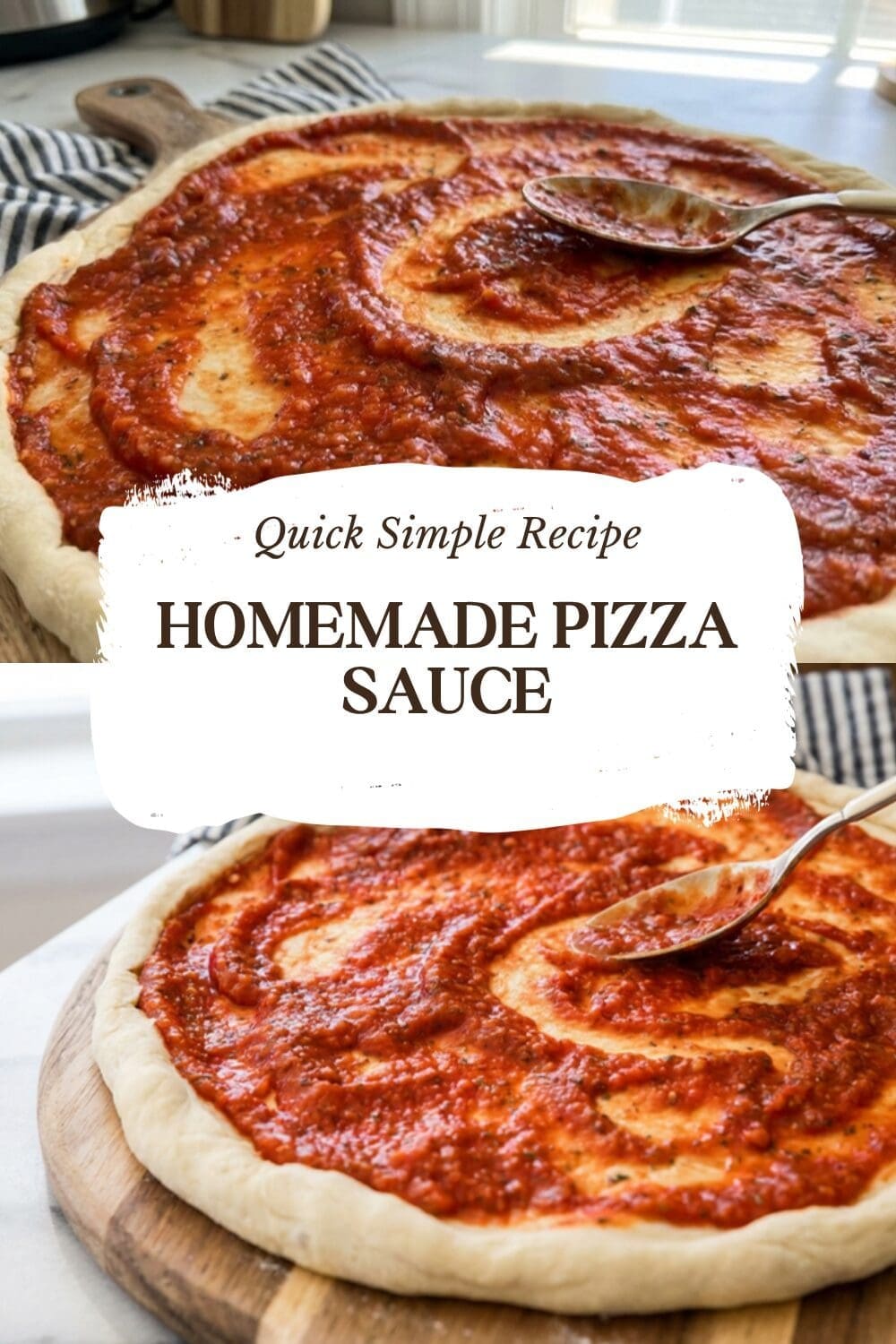
Once mixed, spread a thick, even layer of the sauce on your pizza dough, using about ½ to ¾ cup for a 12-inch pizza. This no-cook method means the sauce will “cook” in the oven with your pizza, typically at 450°F for 10-15 minutes. For storage or meal prep, cool it first, then refrigerate or freeze as detailed later perfect for college students making batches ahead.
This homemade pizza sauce not only saves time but also allows for easy tweaks, like using fresh herbs. If you’re exploring more sauce ideas, check out our easy chicken spaghetti recipe for another quick favorite.

Dietary Substitutions to Customize Your Homemade Pizza Sauce
Protein and Main Component Alternatives
While this recipe doesn’t rely on protein, you can enhance it with additions like pureed beans for a heartier version, suitable for vegans or those boosting protein intake. For tomato alternatives, use pumpkin puree if avoiding nightshades, which helps maintain thickness without altering the base much. These swaps make the sauce adaptable for seniors or travelers with specific needs.
Vegetable, Sauce, and Seasoning Modifications
Swap tomato sauce with blended bell peppers for a sweeter, low-acid option that works in hot weather. For seasonings, replace Italian seasoning with fresh basil or parsley to cater to fresh herb preferences, ideal for food enthusiasts. These changes keep the sauce versatile and align with no-cook principles for busy individuals.
Mastering Homemade Pizza Sauce: Advanced Tips and Variations
To take your homemade pizza sauce to the next level, try these pro tips for better results. Start with advanced techniques like blending for a silky texture, which enhances the overall experience. You’ll also find flavor variations that add excitement to your meals.
- Pro cooking techniques: Even though this is no-cook, chilling the sauce for 10 minutes lets flavors meld, improving taste without heat great for apartment dwellers.
- Flavor variations: Experiment with adding red pepper flakes for spice or sun-dried tomatoes for depth, making it customizable for different tastes.
- Presentation tips: Swirl the sauce on the dough for an appealing look, and garnish with fresh herbs after baking for a professional finish.
- Make-ahead options: Prepare double batches and store for up to 2 weeks, ideal for working professionals needing quick meals.
| Variation | Description |
|---|---|
| Spicy Version | Add ½ teaspoon chili flakes for heat |
| Herb-Infused | Use fresh basil instead of dried |
How to Store Homemade Pizza Sauce: Best Practices
Proper storage keeps your homemade pizza sauce fresh and ready for use. Follow these guidelines to maintain quality, especially since it’s made without preservatives.
- Refrigeration: Keep it in an airtight container in the fridge for up to 2 weeks; let it reach room temperature before use to preserve flavor.
- Freezing: Freeze in portions for up to 2 months, using ice cube trays for easy thawing, which is perfect for batch cooking.
- Reheating: Thaw in the fridge overnight and stir gently; this keeps the sauce safe and maintains its texture for busy nights.
- Meal prep considerations: Label containers with dates to track freshness, making it simple for newlyweds or families.
FAQs: Frequently Asked Questions About Homemade Pizza Sauce
How many pizzas can one batch of homemade pizza sauce make?
One batch of this homemade pizza sauce recipe yields about 2 cups, enough to top two 12-inch large pizzas or four 10-inch medium pizzas with a generous layer. Each large pizza typically needs 3/4 to 1 cup of sauce for even coverage without sogginess. If you’re making personal-sized 8-inch pizzas, it stretches to six or more. To adjust, measure 1/4 cup per 8-inch pizza or 1/2 cup per 10-inch. This amount prevents overload, keeping your crust crisp. Store leftovers in an airtight jar in the fridge for up to a week or freeze in ice cube trays for single-use portions—perfect for quick weeknight pizzas. (92 words)
Can I double a homemade pizza sauce recipe?
Yes, doubling or even tripling this homemade pizza sauce recipe is simple since it uses basic pantry ingredients like canned tomatoes, garlic, and herbs. Just multiply all measurements by 2 or 3—for example, use two 28-oz cans of crushed tomatoes instead of one. Mix in a large bowl; no extra cooking needed for this no-cook version. It scales perfectly without changing texture or flavor balance. Double batches are great for meal prep, yielding sauce for four large pizzas. Blend for smoothness if desired, then portion into jars. This saves time and ensures fresh sauce ready anytime. (98 words)
What’s the difference between pizza sauce and spaghetti sauce?
Pizza sauce is thicker and more concentrated than spaghetti sauce, thanks to tomato paste and less water content, which helps it spread evenly and keeps crusts from getting soggy. Spaghetti sauce, or marinara, is runnier for coating pasta and often milder. Pizza sauce packs bolder flavors with extra oregano, basil, garlic, and sometimes red pepper flakes for that authentic Italian taste. Store-bought spaghetti sauce can work in a pinch but dilute it with paste first. Homemade pizza sauce lets you control salt and sugar—typically 20-30% less sugar than commercial versions—making it healthier. Use 1/2 cup per large pizza for best results. (102 words)
Do you have to cook homemade pizza sauce?
No, this homemade pizza sauce recipe is no-cook, ready in minutes by mixing crushed tomatoes, olive oil, garlic, salt, oregano, and basil. The fresh ingredients “cook” on the pizza in the oven’s heat (around 450-500°F for 10-15 minutes), melding flavors perfectly without pre-boiling. This method preserves bright tomato taste and nutrients like lycopene, which studies show is better retained uncooked. If you prefer cooked sauce, simmer ingredients for 10 minutes to reduce acidity, but taste-test first. No-cook is faster for busy nights and avoids splatters. Spread thinly (1/4-inch layer) before adding cheese and toppings. (96 words)
How do you store homemade pizza sauce?
Store homemade pizza sauce in an airtight glass jar or container in the fridge for up to 7-10 days. For longer storage, freeze it in freezer bags (flattened for space) or ice cube trays (1-2 tbsp per cube) for up to 3 months—thaw cubes overnight in the fridge for single pizzas. Always cool completely before storing to prevent condensation. Label with dates. It avoids preservatives in store-bought sauce, staying fresher with natural ingredients. If canning, follow safe water-bath methods for shelf-stable jars up to a year. Check for off smells before use; discard if moldy. This keeps your sauce versatile for pizzas, dips, or pasta. (108 words)

Homemade Pizza Sauce
🍕 Discover the fresh, vibrant flavors of homemade pizza sauce that elevates your pies with authentic Italian taste, far superior to store-bought versions for a truly customizable experience.
🔥 Ready in just 5 minutes with simple pantry staples, this no-cook recipe is perfect for busy weeknights, letting you whip up restaurant-quality sauce without the hassle.
- Total Time: 5 minutes
- Yield: About 2.5 cups (20 servings)
Ingredients
– 6 ounces tomato paste
– 15 ounces tomato sauce
– 1 to 2 tablespoons oregano (to taste)
– 2 tablespoons Italian seasoning
– ½ teaspoon garlic powder
– ½ teaspoon onion powder
– ½ tablespoon garlic salt
– ¼ teaspoon pepper
– 1 teaspoon granulated sugar (optional)
Instructions
1-First Step: Gather Your Ingredients Start by collecting all the ingredients on your counter to make the process smooth. Measure out 6 ounces of tomato paste and 15 ounces of tomato sauce into a medium bowl. This mise en place step helps busy parents or working professionals save time and avoid mistakes. For dietary adaptations, check if you need substitutes like fresh tomatoes for the sauce.
2-Second Step: Mix the Base In the medium bowl, combine the tomato paste and tomato sauce until they form a smooth mixture. Use a spoon or whisk to blend them evenly, which takes about 1 minute. This step builds the foundation of your homemade pizza sauce, and you can adjust for low-calorie options by ensuring the mixture isn’t too thick. Stir gently to keep the texture just right for spreading.
3-Third Step: Add the Seasonings Now, incorporate the dry seasonings: add 1 to 2 tablespoons of oregano, 2 tablespoons of Italian seasoning, ½ teaspoon of garlic powder, ½ teaspoon of onion powder, ½ tablespoon of garlic salt, and ¼ teaspoon of pepper. If you’re opting for the 1 teaspoon of granulated sugar, include it here for balance. Mix everything thoroughly to distribute the flavors, tasting as you go to suit your preferences. This is a great point to make it vegan or gluten-free without changes.
4-Fourth Step: Adjust and Taste Stir the mixture until it’s evenly combined, then taste and adjust seasonings as needed for instance, add more oregano if you want a stronger herb flavor. This step ensures the sauce meets your dietary needs, like reducing salt for a low-sodium version. Take a moment to blend if you prefer a smoother consistency, making it adaptable for various pizza styles.
5-Final Step: Apply and Use Once mixed, spread a thick, even layer of the sauce on your pizza dough, using about ½ to ¾ cup for a 12-inch pizza. This no-cook method means the sauce will “cook” in the oven with your pizza, typically at 450°F for 10-15 minutes. For storage or meal prep, cool it first, then refrigerate or freeze as detailed later perfect for college students making batches ahead.
Last Step:
Please leave a rating and comment letting us know how you liked this recipe! This helps our business to thrive and continue providing free, high-quality recipes for you.Notes
🥫 Use tomato paste to achieve the perfect thickness and prevent your pizza from becoming soggy.
🌿 Feel free to substitute with fresh herbs instead of dried for an even more aromatic flavor.
❄️ Store the sauce in an airtight container in the fridge for up to 2 weeks or freeze for up to 2 months.
- Prep Time: 5 minutes
- Cook Time: 0 minutes
- Category: Sauce
- Method: No-cook
- Cuisine: Italian
- Diet: Vegetarian
Nutrition
- Serving Size: 2 tablespoons
- Calories: 23 kcal
- Sugar: 3 g
- Sodium: 479 mg
- Fat: 0.2 g
- Saturated Fat: 0 g
- Unsaturated Fat: 0.1 g
- Trans Fat: 0 g
- Carbohydrates: 5.4 g
- Fiber: 1.2 g
- Protein: 1 g
- Cholesterol: 0 mg


