

Why You’ll Love This Homemade Salsa
Imagine pulling together a quick snack that bursts with fresh flavors and takes hardly any effort that’s exactly what this homemade salsa offers. It’s perfect for busy parents juggling after-school activities or students craving a healthy dorm-room treat, and it’s loaded with nutrients that appeal to diet-conscious folks. Not only does it save time, but it also keeps your kitchen cool with its no-cook approach, aligning with our passion for easy, heat-free meals on the blog.
This homemade salsa recipe stands out because of its ease of preparation; it only needs about 5 minutes of your time, using simple blending steps that anyone can master. Beyond being fast, it’s packed with health benefits from fresh veggies like tomatoes and jalapeños, delivering vitamins and antioxidants without the preservatives in store-bought versions. Plus, its versatility means it fits vegan, gluten-free, and low-calorie diets seamlessly, making it a go-to for food enthusiasts and working professionals alike.
What really sets this salsa apart is its bright, authentic taste that combines acidity and spice just right, turning everyday ingredients into something special. Whether you’re serving it at a family gathering or adding it to your lunch wrap, this recipe adapts easily to your preferences. For those curious about the nutritional perks, here’s a quick overview in a table to show just how wholesome it is.
| Nutrient | Amount per 0.25 cup serving |
|---|---|
| Calories | 19 kcal |
| Carbohydrates | 4 g |
| Protein | 0 g |
| Fat | 0 g |
| Sodium | 230 mg |
| Vitamin C | 11.3 mg |
This low-calorie option helps support daily wellness goals, especially for seniors or travelers wanting light, portable meals. In short, it’s a flavorful staple that makes eating well feel effortless and fun.
Jump to:
- Why You’ll Love This Homemade Salsa
- Essential Ingredients for Homemade Salsa
- How to Prepare the Perfect Homemade Salsa: Step-by-Step Guide
- Gathering and Blending the Fresh Ingredients
- Adding the Canned Components and Final Touches
- Dietary Substitutions to Customize Your Homemade Salsa
- Mastering Homemade Salsa: Advanced Tips and Variations
- Flavor Experiments and Texture Control
- Linking to More Recipes
- How to Store Homemade Salsa: Best Practices
- FAQs: Frequently Asked Questions About Homemade Salsa
- What type of tomatoes should I use to make homemade salsa?
- How can I adjust the spiciness of my homemade salsa?
- How long does homemade salsa stay fresh in the refrigerator?
- Can I make homemade salsa without cooking it?
- What are some common mistakes to avoid when making salsa at home?
- Homemade Salsa
- Ingredients
- Instructions
- Last Step:
- Notes
- Nutrition
- Did you make this recipe?
Essential Ingredients for Homemade Salsa
Gathering the right ingredients is key to making a salsa that’s fresh and full of flavor, and this recipe keeps things straightforward with a mix of fresh and canned items. Using high-quality produce ensures the best taste, so let’s dive into what you’ll need for a batch that serves up to 8 people easily.
Below is a structured list of all the ingredients required, with exact measurements to help you shop and prepare without any guesswork. Remember, fresh items like tomatoes add brightness, while canned ones bring in that reliable depth.
- 4 ripe tomatoes, cored and quartered (Roma or plum tomatoes recommended)
- 1 red onion, peeled and quartered (or yellow onion)
- 3 garlic cloves, peeled
- 3 jalapeños, stemmed and seeded (substitute with 1-2 habanero or serrano peppers if preferred)
- 1/3 cup cilantro
- 3 tablespoons fresh lime juice
- 2-3 teaspoons ground cumin
- 2-3 teaspoons sugar (optional, to balance acidity)
- 1 1/2 teaspoons salt
- 15 ounces canned crushed tomatoes or fire-roasted tomatoes (1 can)
- 4.5 ounces canned diced green chiles, mild, medium, or hot (1 can)
These ingredients cover everything from the juicy base to the spicy kick, making it simple to tweak for special dietary needs. For instance, it’s naturally vegan and gluten-free, which is great for those watching their intake.
How to Prepare the Perfect Homemade Salsa: Step-by-Step Guide
Whipping up this homemade salsa is as easy as it gets, and it only takes about 5 minutes total, fitting perfectly into a busy schedule. Start by gathering your ingredients and a food processor or blender for that smooth yet chunky texture everyone loves. This no-cook method keeps things fresh and nutrient-packed, ideal for hot days or quick meals.
Gathering and Blending the Fresh Ingredients
First, place the 4 ripe tomatoes (cored and quartered), 1 red onion (peeled and quartered), 3 garlic cloves (peeled), 3 jalapeños (stemmed and seeded), 1/3 cup cilantro, 3 tablespoons fresh lime juice, 2 teaspoons ground cumin, 2 teaspoons sugar (if you want to balance the acidity), and 1 1/2 teaspoons salt into your food processor or blender. If you’re new to this, remember that fresh lime juice really brightens the mix, just like in my own kitchen experiments.
Pulse everything until it’s finely blended but still has some texture think quick bursts to avoid overdoing it. This step is where the magic happens, blending those bright flavors from the tomatoes and herbs.
Adding the Canned Components and Final Touches
Next, add the 15 ounces of canned crushed tomatoes and the 4.5 ounces of canned diced green chiles, then puree again until the mixture is mostly smooth with a bit of chunkiness for that authentic feel. For more on how peppers like jalapeños can boost your health, check out this guide to jalapeno benefits that explains their role in adding both spice and nutrients.
After blending, taste and adjust by adding more cumin or sugar if needed to get it just right. Finally, pop it in the fridge to chill until you’re ready to serve, letting the flavors meld together beautifully. If you don’t have a food processor, a blender works fine, or you can chop by hand for a chunkier version a tip I picked up from making this for family picnics.
This recipe ties in nicely with other simple dishes; for example, if you’re serving it with pasta, try our easy chicken spaghetti recipe for a full meal. It’s all about keeping things versatile and fun in the kitchen.

Dietary Substitutions to Customize Your Homemade Salsa
One of the best parts about this homemade salsa is how easy it is to tweak for different tastes and needs, whether you’re avoiding certain ingredients or experimenting with flavors. This makes it a hit for newlyweds starting out or seniors looking for gentle options. Let’s break it down so you can make it your own.
- Replace fresh tomatoes with roasted ones for a smokier taste, which keeps it vegan and gluten-free.
- Use diced mango or pineapple instead of some veggies for a sweeter twist, perfect for low-calorie diets.
- Swap jalapeños with bell peppers to tone down the heat, or try lemon juice in place of lime for a fresh variation.
- Add herbs like basil if cilantro isn’t your thing, ensuring the recipe stays adaptable without losing its core appeal.
These changes help maintain the salsa’s essence while catering to dietary preferences, like boosting it for gluten-free meals or making it milder for kids.
Mastering Homemade Salsa: Advanced Tips and Variations
Once you’re comfortable with the basics, leveling up your homemade salsa can add even more excitement to your meals, and it’s all about playing with techniques and flavors. For busy professionals or college students, these tips keep things quick yet impressive. Start by roasting tomatoes and peppers for that deeper, smoky taste it transforms the dish without much extra time.
Flavor Experiments and Texture Control
To vary the heat, try incorporating fruits like peaches for a sweet note or swapping peppers as suggested in the ingredients. Use a food processor to blend just right, avoiding over-blending to keep that chunky texture we all enjoy. Personal story: I once added pomegranate seeds to surprise guests, and it became a favorite at gatherings.
Presentation matters too serve in bright bowls with fresh herbs on top for a pop of color. For make-ahead options, prepare a day early and store it, which lets flavors blend even better. These tricks ensure your salsa stays fresh and tailored, ideal for food enthusiasts exploring new ideas.
Linking to More Recipes
If you’d like more inspiration for no-cook meals, check out our turkey carcass soup idea for another easy option. It’s all about building a repertoire of simple, delicious dishes.
How to Store Homemade Salsa: Best Practices
Keeping your homemade salsa fresh is simple and helps it last longer, which is great for meal prep or storing extras. Pop it in the fridge in an airtight container, and it stays good for up to 5 days just stir it before serving to mix those flavors back in. For freezing, use freezer-safe bags and aim to use it within 2-3 months to keep the quality high.
If you want to enjoy it warm, gently heat on the stove, but cold or room temperature works best for that crisp taste. This approach makes it easy for travelers or apartment dwellers to have portions ready to go, saving time on busy days.
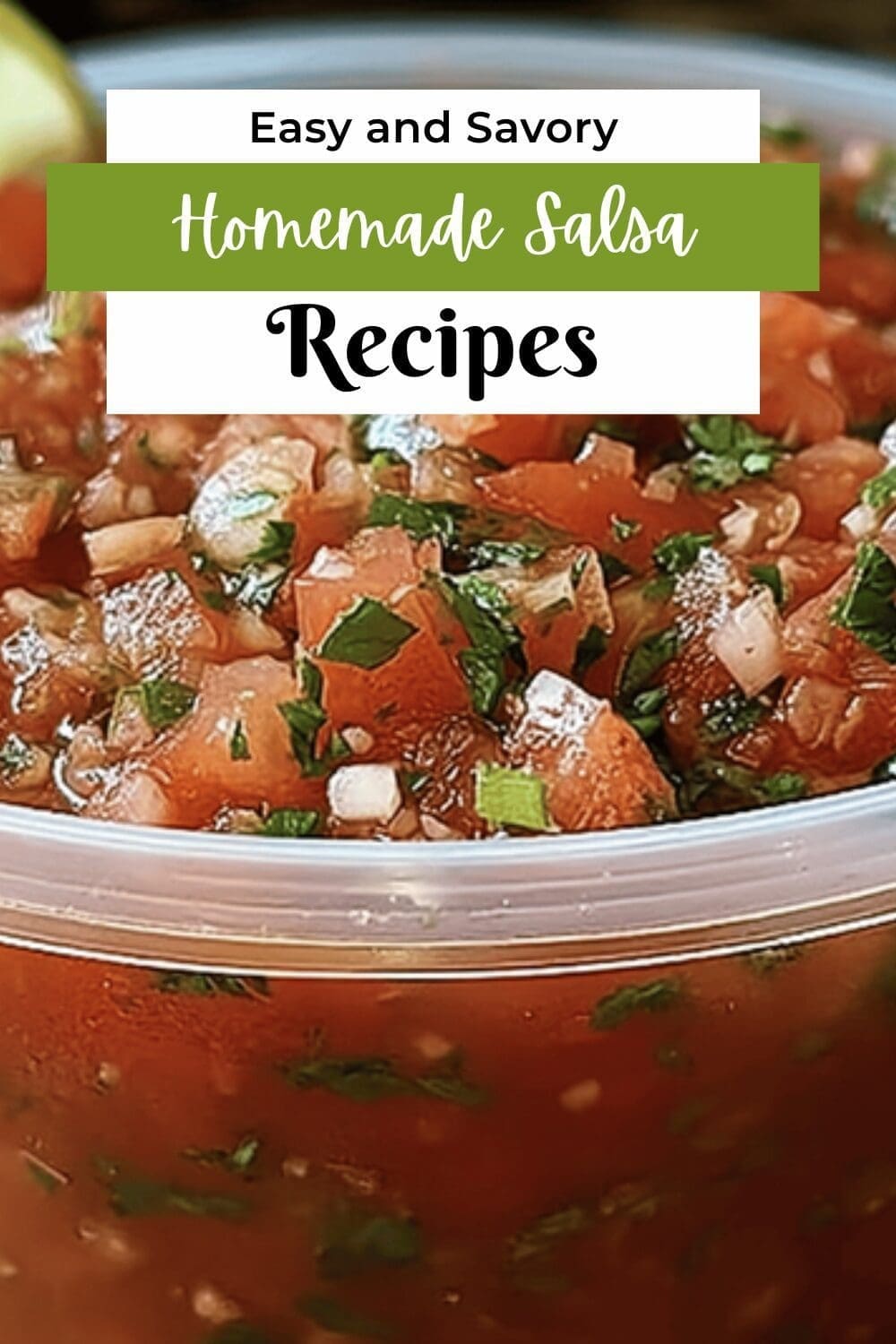
FAQs: Frequently Asked Questions About Homemade Salsa
What type of tomatoes should I use to make homemade salsa?
For making homemade salsa, Roma or plum tomatoes are a popular choice due to their firm texture and balanced tangy-sweet flavor. These tomatoes hold up well during cooking and offer less watery juice compared to other varieties, helping you achieve a thicker salsa consistency. Look for tomatoes that are bright red, slightly firm, and have a rich tomato aroma for the best flavor.
How can I adjust the spiciness of my homemade salsa?
You can easily control the heat by adjusting the amount and type of chili peppers you use. For a mild salsa, reduce the number of jalapeños or substitute with milder green chilies. For extra heat, add serrano or habanero peppers, or include chipotle peppers in adobo sauce for a smoky kick. Always remove the seeds and membranes to reduce spiciness.
How long does homemade salsa stay fresh in the refrigerator?
Homemade salsa typically stays fresh for 10 to 12 days when stored in an airtight container in the refrigerator. To maintain quality and safety, avoid leaving the salsa out at room temperature for longer than two hours. For longer storage, you can freeze salsa for up to four months, though the texture may become a bit watery after thawing.
Can I make homemade salsa without cooking it?
Yes, fresh or uncooked salsa, often called pico de gallo, is made by combining diced fresh tomatoes, onions, cilantro, jalapeños, lime juice, and salt without cooking. This version offers a bright, crisp flavor and is quick to prepare. Keep it refrigerated and consume within a few days for the best taste and safety.
What are some common mistakes to avoid when making salsa at home?
Common mistakes include using overly ripe or watery tomatoes, which can make the salsa too liquidy, and not draining excess tomato juice before mixing. Overseasoning with salt or adding all ingredients at once without tasting can also affect the balance. To achieve the best flavor, taste and adjust seasonings gradually, and consider roasting peppers or onions for a deeper taste.

Homemade Salsa
🍅 Enjoy the vibrant freshness and perfect balance of flavors with this Best Salsa Recipe that’s easy to make at home.
🌶️ Ideal for those who want a flavorful homemade salsa combining fresh and canned ingredients for the best taste and texture.
- Total Time: 35 minutes
- Yield: About 2 cups
Ingredients
– 4 ripe tomatoes, cored and quartered (Roma or plum tomatoes recommended)
– 1 red onion, peeled and quartered (or yellow onion)
– 3 garlic cloves, peeled
– 3 jalapeños, stemmed and seeded (substitute with 1-2 habanero or serrano peppers if preferred)
– 1/3 cup cilantro
– 3 tablespoons fresh lime juice
– 2-3 teaspoons ground cumin
– 2-3 teaspoons sugar (optional, to balance acidity)
– 1 1/2 teaspoons salt
– 15 ounces canned crushed tomatoes or fire-roasted tomatoes (1 can)
– 4.5 ounces canned diced green chiles, mild, medium, or hot (1 can)
Instructions
1-Gathering and Blending the Fresh Ingredients: First, place the 4 ripe tomatoes (cored and quartered), 1 red onion (peeled and quartered), 3 garlic cloves (peeled), 3 jalapeños (stemmed and seeded), 1/3 cup cilantro, 3 tablespoons fresh lime juice, 2 teaspoons ground cumin, 2 teaspoons sugar (if you want to balance the acidity), and 1 1/2 teaspoons salt into your food processor or blender. If you’re new to this, remember that fresh lime juice really brightens the mix, just like in my own kitchen experiments.
2-Gathering and Blending the Fresh Ingredients: Pulse everything until it’s finely blended but still has some texture think quick bursts to avoid overdoing it. This step is where the magic happens, blending those bright flavors from the tomatoes and herbs.
3-Adding the Canned Components and Final Touches: Next, add the 15 ounces of canned crushed tomatoes and the 4.5 ounces of canned diced green chiles, then puree again until the mixture is mostly smooth with a bit of chunkiness for that authentic feel. For more on how peppers like jalapeños can boost your health, check out this guide to jalapeno benefits that explains their role in adding both spice and nutrients.
4-Adding the Canned Components and Final Touches: After blending, taste and adjust by adding more cumin or sugar if needed to get it just right. Finally, pop it in the fridge to chill until you’re ready to serve, letting the flavors meld together beautifully. If you don’t have a food processor, a blender works fine, or you can chop by hand for a chunkier version a tip I picked up from making this for family picnics.
Last Step:
Please leave a rating and comment letting us know how you liked this recipe! This helps our business to thrive and continue providing free, high-quality recipes for you.Notes
🥄 Use both fresh and canned tomatoes for a balanced bright and sweet flavor.
🔪 Avoid over-blending to keep a chunky texture that enhances the salsa experience.
🌿 Chill the salsa before serving to let flavors meld and intensify.
- Prep Time: 5 minutes
- Chilling time: 30 minutes
- Cook Time: 0 minutes
- Category: Condiment
- Method: Blending
- Cuisine: Mexican
- Diet: Vegan
Nutrition
- Serving Size: 1/4 cup
- Calories: 19 kcal
- Sugar: 2 g
- Sodium: 230 mg
- Fat: 0 g
- Saturated Fat: 0 g
- Carbohydrates: 4 g
- Fiber: 0 g
- Protein: 0 g
- Cholesterol: 0 mg


