

Why You’ll Love This Hugo Spritz
When the weather warms up and you’re looking for something refreshing that doesn’t require any cooking, the Hugo Spritz is your perfect companion. I absolutely love this elegant floral cocktail that combines simplicity with sophisticated flavors, making it an ideal addition to any gathering or quiet evening at home.
Here’s why this drink has become one of my favorite no-cook beverages:
- Ease of preparation: With just a few ingredients and only about 5 minutes from start to finish, the Hugo Spritz is exceptionally quick to prepare. There’s no need for complex techniques or special equipment just straightforward assembly that anyone can master on their first try.
- Health benefits: Unlike heavy, sugary cocktails, the Hugo Spritz is relatively light and refreshing. The elderflower contains antioxidants and has been traditionally used for various health benefits. When enjoyed in moderation, this sparkling beverage offers a more health-conscious alternative to many mixed drinks.
- Versatility: The Hugo Spritz is wonderfully adaptable. You can easily adjust ratios to suit your taste preferences, accommodate dietary restrictions, or match the occasion. From brunch gatherings to evening socials, this cocktail fits seamlessly into various settings.
- Distinctive flavor: The combination of floral elderflower, aromatic mint, and sparkling prosecco creates a uniquely refreshing taste profile. It’s less bitter than traditional spritzes, making it appealing to a wider range of palates, even those who typically don’t enjoy cocktails.
Whether you’re a seasoned cocktail enthusiast or new to mixology, the Hugo Spritz offers a delightful experience that showcases how simple, fresh ingredients can create something truly special without any heat or cooking required.
Jump to:
- Why You’ll Love This Hugo Spritz
- Essential Ingredients for Hugo Spritz
- Main Ingredients:
- Special Dietary Options:
- How to Prepare the Perfect Hugo Spritz: Step-by-Step Guide
- The Glass and Ice Foundation
- Adding the Floral Base
- Incorporating Fresh Mint
- Adding Sparkling Elements
- Final Touches and Serving
- Dietary Adaptations During Preparation
- Dietary Substitutions to Customize Your Hugo Spritz
- Protein and Main Component Alternatives
- Vegetable, Sauce, and Seasoning Modifications
- Mastering Hugo Spritz: Advanced Tips and Variations
- Pro Cooking Techniques
- Flavor Variations
- Presentation Tips
- Make-Ahead Options
- How to Store Hugo Spritz: Best Practices
- Refrigeration
- Freezing
- Reheating
- Meal Prep Considerations
- FAQs: Frequently Asked Questions About Hugo Spritz
- What ingredients do I need to make a Hugo Spritz?
- How is a Hugo Spritz different from a traditional Aperol Spritz?
- What glassware is recommended for serving a Hugo Spritz?
- Can I customize the Hugo Spritz recipe for different occasions?
- Where did the Hugo Spritz originate and when did it become popular?
- Hugo Spritz
- Ingredients
- Instructions
- Last Step:
- Notes
- Nutrition
- Did you make this recipe?
Essential Ingredients for Hugo Spritz
The beauty of the Hugo Spritz lies in its simplicity. With just a few key ingredients, you can create this elegant cocktail at home. Each component plays a specific role in building the perfect balance of flavors and textures.
Main Ingredients:
- 1.5 oz Elderflower liqueur – This is the star of the show, providing distinctive sweet floral notes that define the Hugo Spritz. St-Germain is the most well-known brand, but any quality elderflower liqueur will work its magic.
- 2 oz Prosecco (dry Prosecco recommended) – Adds the essential effervescence and a crisp, light wine base. Using a dry variety prevents the drink from becoming overly sweet and allows the elderflower flavor to shine.
- 2 oz Club soda or sparkling water – Provides extra fizz without additional calories, helping to mellow the alcohol content and create a lighter, more refreshing drink.
- 8-10 Fresh mint leaves – Brings aromatic freshness that beautifully balances the sweetness of the elderflower. The mint adds complexity and makes the cocktail even more refreshing.
- Lemon or lime wheel (for garnish) – Adds a bright citrus aroma and visual appeal. The essential oils from the citrus peel enhance the overall drinking experience without overpowering the delicate floral notes.
- Fresh mint sprig (for garnish) – Enhances presentation and provides an additional aromatic layer as you bring the glass to your lips.
- Ice – Keeps the drink properly chilled and ensures the right amount of dilution as the ice slowly melts.
Special Dietary Options:
The Hugo Spritz naturally accommodates many dietary needs, but here are some specific considerations:
- Vegan: Most elderflower liqueurs, proseccos, and club sodas are naturally vegan, but always check specific brands if you’re adhering strictly to a vegan lifestyle.
- Gluten-free: The traditional Hugo Spritz recipe is typically gluten-free, making it a safe option for those with gluten sensitivities or celiac disease.
- Low-calorie: For a lighter version, you can reduce the elderflower liqueur slightly and increase the soda water ratio. Alternatively, use a low-calorie sparkling water instead of club soda.
As someone who loves preparing delicious treats without turning on any heat, I find the Hugo Spritz to be a perfect addition to my repertoire of no-cook beverages. When paired with dishes like the ones in my easy chicken spaghetti recipe, it creates a complete, satisfying meal experience.
How to Prepare the Perfect Hugo Spritz: Step-by-Step Guide
Creating a Hugo Spritz is as simple as it is rewarding. Follow these detailed steps to craft a perfectly balanced cocktail that will impress your guests or treat yourself after a long day.
The Glass and Ice Foundation
First Step: Begin with selecting the right glass and building your ice foundation. Choose either a large wine glass or a highball glass both work wonderfully for this cocktail. The key is ensuring plenty of space for ice, garnishes, and the liquid components.
Fill your chosen glass completely with ice. Don’t be shy here a full glass of ice serves multiple purposes: it keeps the drink at the perfect temperature, slows down the melting process, and creates a beautiful visual presentation. Cubed ice works best, but if all you have is crushed ice, that will suffice too.
The secret to a perfectly chilled Hugo Spritz lies not just in using ice, but in using enough ice to fill the glass completely. This ensures your drink stays cold without becoming overly diluted as you enjoy it.
Adding the Floral Base
Second Step: Pour 1.5 oz of elderflower liqueur directly over the ice. The ice will help slightly chill the liqueur immediately, preparing it for the next ingredients. I find it helpful to use a jigger or measuring spirit to ensure the perfect ratio every time.
When pouring, aim for the middle of the ice rather than down the side of the glass. This technique helps distribute the liqueur more evenly throughout the ice, creating a better foundation for the flavors to develop as you add the remaining components.
Incorporating Fresh Mint
Third Step: Add 8-10 fresh mint leaves to the glass. Here’s where technique matters greatly. Handle the mint leaves gently they bruise easily, and bruised mint can release bitter compounds that negatively affect the taste of your Hugo Spritz.
Instead of vigorously muddling the mint (as you might in a mojito), simply add the leaves and stir them gently with the liqueur. This gentle stirring helps the mint release its essential oils and aromatic compounds without excessive bitterness. Let the mint and liqueur infuse for about 30 seconds before proceeding to the next step.
The difference between bruised and gently handled mint is remarkable. When treated properly, mint contributes a fresh, uplifting quality to the cocktail rather than a harsh, bitter note that can overwhelm the delicate elderflower flavor.
Adding Sparkling Elements
Fourth Step: Now it’s time to add the sparkle. First pour in 2 oz of prosecco, followed by 2 oz of club soda or sparkling water. When adding these carbonated components, pour slowly against the inside of the glass or down a bar spoon if you have one. This technique helps preserve the carbonation and prevents excessive foaming.
Prosecco contributes both alcohol content and essential carbonation, with its characteristic fruity notes complementing the elderflower perfectly. The club soda adds additional effervescence without adding significant calories or alcohol content, making the cocktail lighter and more refreshing.
For best results, use ingredients that are well-chilled before adding them to the drink. This minimizes ice melt and maintains the proper balance right from the first sip.
Final Touches and Serving
Final Step: Give the cocktail a gentle stir with a long bar spoon or swizzle stick to combine all the ingredients. The key here is gentleness over-stirring can cause the carbonation to dissipate more quickly.
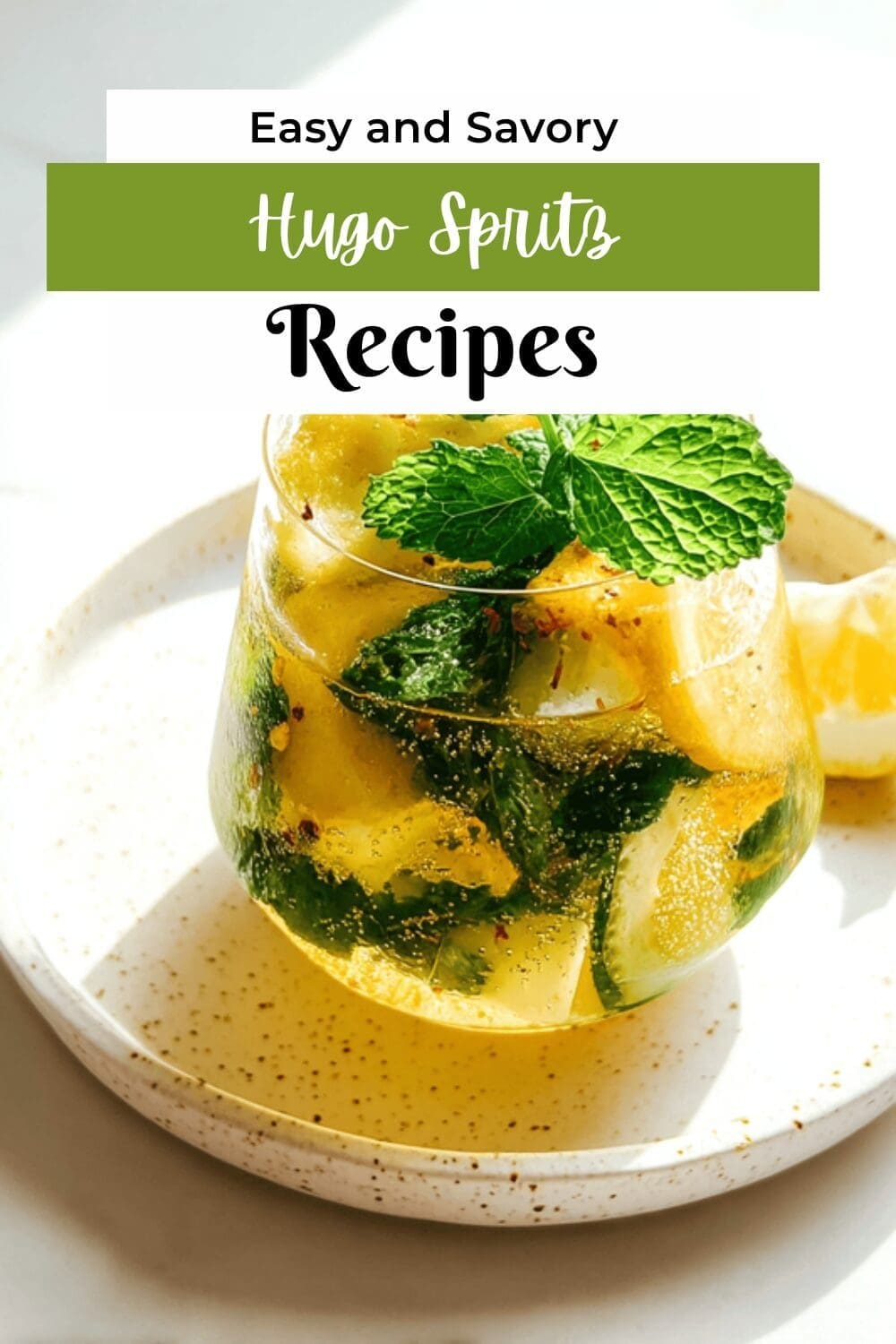
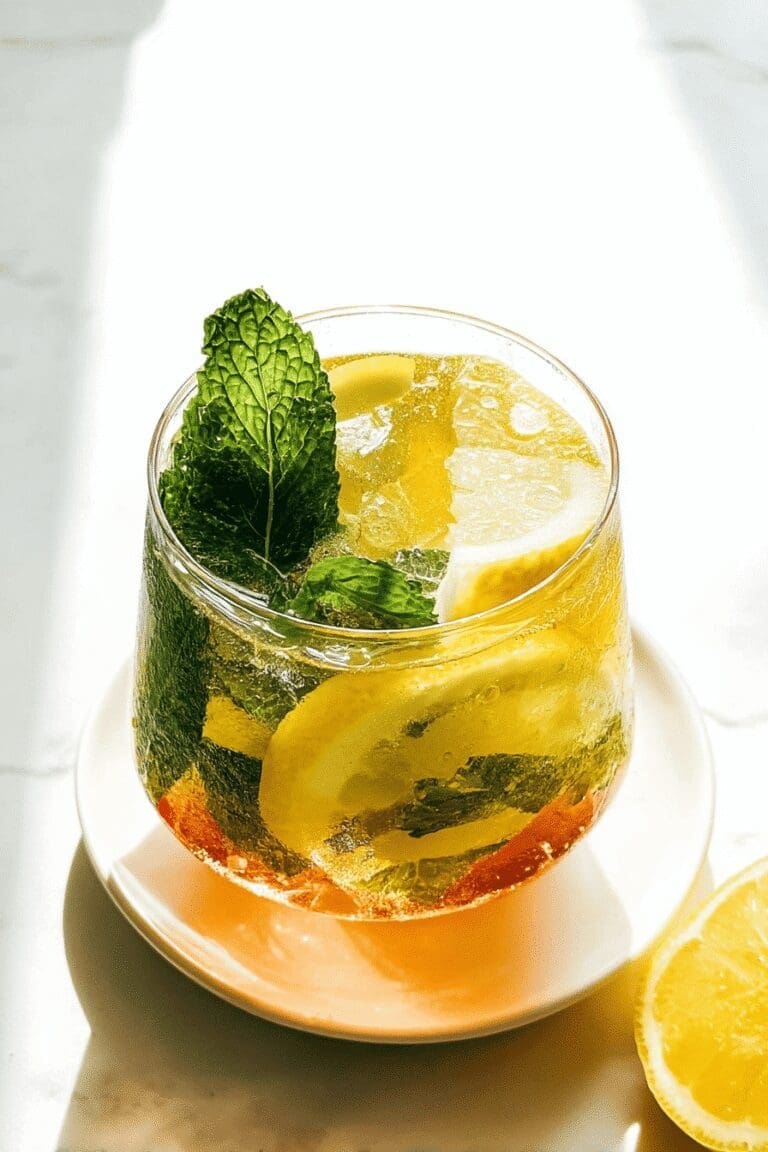
For the garnish, take a fresh mint sprig and gently clap it between your hands to release its aromatic oils. Place it in the glass along with a lemon or lime wheel. Importantly, do not squeeze the citrus wheel beforehand simply place it in the glass as a garnish that will subtly infuse its essential oils into the drink as you enjoy it.
Your Hugo Spritz is now ready to serve and enjoy. The total preparation time from start to finish should be approximately 2-5 minutes, making it the perfect quick solution when you need something special but don’t have much time to spare.
Dietary Adaptations During Preparation
If you’re following specific dietary guidelines, there are easy adjustments you can make:
- For a vegan version: Ensure your prosecco and elderflower liqueur are certified vegan, as some fining agents used in wine production may not be vegan-friendly.
- For a reduced-sugar version: Use less elderflower liqueur (about 1 oz instead of 1.5 oz) and increase the club soda to about 3 oz for a lighter, less sweet cocktail.
- For gluten-sensitive individuals: Double-check that your chosen elderflower liqueur and prosecco are certified gluten-free, though most naturally are.
| Component | Standard Amount | Lighter Version> | Sweeter Version> |
|---|---|---|---|
| Elderflower liqueur | 1.5 oz | 1 oz | 2 oz |
| Prosecco | 2 oz | 2 oz | 2 oz |
| Club soda | 2 oz | 3 oz | 1 oz |

Dietary Substitutions to Customize Your Hugo Spritz
The Hugo Spritz is wonderfully adaptable to various dietary needs and personal preferences. Beyond the basic recipe, you can make several substitutions to create a version that perfectly suits your requirements or tastes.
Protein and Main Component Alternatives
While Hugo Spritz doesn’t typically contain protein, you can make several substitutions to the main alcoholic components based on dietary needs or ingredient availability:
For those avoiding alcohol or looking for a non-alcoholic alternative, you can create a “zero-proof” Hugo by replacing the elderflower liqueur with an elderflower cordial or syrup (about 1 oz should suffice) and swapping the prosecco for a non-alcoholic sparkling wine or sparkling kombucha. This maintains the refreshing nature of the drink while making it suitable for all ages and dietary preferences.
If you don’t have prosecco on hand, don’t worry! Other sparkling wines work well as substitutes. Try cava for a slightly more robust flavor profile or champagne for a more sophisticated (though more expensive) version. For something completely different, sparkling sake can create an intriguing Asian-inspired twist on this European classic.
For those sensitive to grape products, hard cider can be an interesting alternative to prosecco. The apple notes in cider complement the elderflower surprisingly well, though you may want to adjust the quantity of elderflower liqueur to maintain the right balance.
Vegetable, Sauce, and Seasoning Modifications
While we’re not dealing with traditional vegetables, sauces, or seasonings in this cocktail, you can customize the flavor profile through various herb and fruit additions:
If fresh mint isn’t available or isn’t to your taste, fresh basil makes an excellent substitute. Its aromatic qualities work beautifully with elderflower, though you’ll want to use slightly less basil (about 5-7 leaves) as its flavor is more potent than mint.
For a different herbaceous note, try adding a sprig of rosemary or thyme along with the mint. These herbs add depth and complexity, making the cocktail more reminiscent of a sophisticated garden cocktail. I particularly enjoy adding a single rosemary sprig, which I gently bruise before adding to release its aromatic oils.
Fruit additions can also create exciting variations. Muddle a few fresh raspberries, blackberries, or even sliced strawberries in the glass before adding the ice. Berries add both color and flavor that complement the elderflower’s floral notes while adding a touch of natural sweetness.
If you’re looking for a more herbal complexity, a small pinch (just a tiny amount) of lavender can elevate the floral profile. Be cautious though lavender is potent and can easily overpower the drink if used too generously.
For those who enjoy a bit of spice, thinly sliced cucumber with a tiny pinch of black peppercorns can add a refreshing yet complex dimension to your Hugo Spritz. The cucumber adds hydration and a cool, crisp quality, while the pepper provides a subtle bite that balances the sweetness.
Mastering Hugo Spritz: Advanced Tips and Variations
Once you’ve mastered the basic Hugo Spritz recipe, you can elevate your cocktail game with these expert tips and creative variations. These techniques will help you create a Hugo Spritz that stands out and showcases your mixology skills.
Pro Cooking Techniques
One of the most important techniques when preparing a Hugo Spritz is properly handling the mint leaves. As mentioned earlier, vigorous muddling can cause bitterness, but there’s a specific technique that releases the mint’s essence without causing the issues:
Try what I call the “express and infuse” method: after adding the mint leaves to the elderflower liqueur, take the back of a spoon and gently press the leaves against the side of the glass. This expresses the essential oils without shredding the leaves, which is what typically releases the bitter compounds. After pressing, give the leaves a gentle stir to distribute the oils throughout the liqueur.
Another professional technique is building the ice in layers. Rather than adding all ice at once, add a base layer, pour your liqueur and add mint, stir, then add more ice before topping with prosecco and club soda. This allows for better temperature control and ensures the flavor develops properly before the drink becomes too diluted.
Flavor Variations
One of the most popular variations is the “St-Germain Spritz” (referencing the most well-known elderflower liqueur brand), which simplifies the recipe by omitting the mint and citrus. This variation typically uses a ratio of 2 parts prosecco, 1.5 parts elderflower liqueur, and 2 parts soda water. The result is a cleaner, more straightforward expression of the elderflower flavor that many purists prefer.
For a pink twist, substitute rosé wine for the prosecco. This creates not only a visually stunning cocktail but also adds subtle berry notes that complement the elderflower beautifully. The rosé version is particularly popular for brunches, bridal showers, and other celebratory occasions.
The “Cucumber Hugo” is another refreshing variation. Muddle 3-4 thin slices of cucumber with the mint leaves before proceeding with the rest of the recipe. This adds a crisp, cooling quality that makes the drink even more refreshing on hot summer days.
My personal favorite variation is what I call the “Herb Garden Hugo,” where I add one basil leaf and one small rosemary sprig along with the mint. This creates an aromatic complexity that’s absolutely delightful without any single herb dominating the flavor profile.
Presentation Tips
While the Hugo Spritz is delicious, its appearance plays a significant role in the overall experience. Beyond serving in the recommended large wine glasses or highball glasses, consider these presentation tips:
Create an “ice show” by using clear, well-formed ice cubes or even a single large ice sphere. Not only does this look impressive, but it also melts more slowly than smaller cubes, keeping your drink colder longer with less dilution.
Edible flowers are another beautiful addition. Consider adding a few small pansies, nasturtiums, or orchid blossoms that are both beautiful and safe for consumption. These not only enhance the visual appeal but reinforce the floral theme of the drink.
Make-Ahead Options
While Hugo Spritz is best prepared fresh, you can partially prep components in advance for parties or quick service:
For gatherings, prepare elderflower-mint infusion by combining elderflower liqueur with mint leaves in a pitcher and refrigerating. When ready to serve, simply pour the infused liqueur over ice in individual glasses, then top with prosecco and club soda as usual.
Another make-ahead option is creating elderflower ice cubes. Simply freeze elderflower liqueur (or a mixture of elderflower liqueur and water) in ice cube trays. When ready, place these special ice cubes in glasses, top with prosecco, club soda, and fresh mint for an enhanced flavor experience as the ice melts.
For maximum convenience when hosting, you can create a Hugo Spritz “kit” with pre-portioned elderflower liqueur in small bottles or glasses, ready for quick assembly with chilled prosecco and club soda.
How to Store Hugo Spritz: Best Practices
Unlike many of my no-cook recipes that are designed for storage and meal prep, cocktails like the Hugo Spritz are best enjoyed fresh. However, there are important considerations for storing components and handling leftovers of this elegant beverage.
Refrigeration
Since the Hugo Spritz is a carbonated cocktail, fully prepared drinks don’t refrigerate well. The carbonation diminishes quickly, and the mint can wilt and become bitter over time. Ideally, you should prepare and consume your Hugo Spritz immediately after preparation to experience the perfect balance of flavors and effervescence.
However, you can refrigerate the individual components separately. Keep your prosecco and club soda well-chilled, and store your elderflower liqueur with mint leaves briefly (no more than a few hours) if you want to help the flavors infuse slightly. Just remember that prolonged refrigeration of the mint in alcohol can lead to bitterness.
Freezing
Freezing a fully prepared Hugo Spritz isn’t recommended, as the carbonation will be completely lost, and the texture will be compromised when thawed. However, you can freeze elderflower-mint ice cubes as mentioned in the previous section, which can enhance your Hugo Spritz when melted into the drink.
Another freezing option is to create elderflower-infused ice cubes in decorative molds. These not only look beautiful in the glass but maintain the flavor profile while keeping the drink cold without excessive dilution.
Reheating
While reheating isn’t applicable for this chilled cocktail, the equivalent concept is re-chilling. If your Hugo Spritz has been sitting out and lost some of its chill, the best approach is to add more ice rather than refrigerating, which would further diminish the carbonation.
If the drink has been sitting for a while but still has some carbonation, consider adding a small splash of fresh prosecco or club soda to revive the effervescence before adding more ice.
Meal Prep Considerations
When preparing for gatherings or planning to enjoy Hugo Spritz over several days, focus on prepping the components rather than complete drinks:
- Measure individual servings of elderflower liqueur into small bottles or glasses, ready for quick assembly.
- Wash and dry mint leaves, storing them between damp paper towels in a sealed container in the refrigerator to maintain freshness.
- Keep prosecco and club soda chilled but unopened to preserve carbonation until serving time.
- Prepare citrus garnishes ahead of time, storing them in the refrigerator covered in plastic wrap.
With these prepped components, you can assemble fresh Hugo Spritz cocktails in just a minute or two, ensuring each drink is as perfect as if you had prepared it from scratch. This approach combines the convenience of prep with the quality of fresh preparation, which aligns perfectly with my philosophy of creating delicious dishes (and drinks) without heat.
FAQs: Frequently Asked Questions About Hugo Spritz
What ingredients do I need to make a Hugo Spritz?
To make a Hugo Spritz, you’ll need dry Prosecco, elderflower liqueur (such as St-Germain), club soda, fresh mint leaves, and a lime wedge for garnish. Fill a large wine glass with ice, add about 3 parts Prosecco, 2 parts elderflower liqueur, and a splash of club soda. Gently stir with 8-10 fresh mint leaves to release aroma without bruising them. Finish with a lime wedge and a sprig of mint for a refreshing, balanced cocktail.
How is a Hugo Spritz different from a traditional Aperol Spritz?
Unlike the Aperol Spritz, which features the bitter orange-flavored Aperol, the Hugo Spritz is a lighter, floral cocktail made with elderflower liqueur and fresh mint. Both use Prosecco and soda water, but the Hugo’s elderflower and mint create a fresher, less bitter taste. This makes the Hugo Spritz a popular alternative for those seeking a more delicate and fragrant spritz variation.
What glassware is recommended for serving a Hugo Spritz?
The ideal glass for serving a Hugo Spritz is a large wine glass or a highball glass. These glasses provide ample space for plenty of ice, which is essential for keeping the cocktail chilled without diluting the flavors quickly. Using a large glass also allows room for fresh mint leaves and the lime wedge garnish, enhancing both presentation and aroma.
Can I customize the Hugo Spritz recipe for different occasions?
Yes, the Hugo Spritz is versatile and easy to customize. For a fruitier twist, try adding fresh berries or swapping lime for a lemon wedge. You can also use a rosé Prosecco to create a pink Hugo Spritz with a slightly sweeter flavor. Adjust the elderflower liqueur and club soda amounts to suit your taste, and experiment with alternative sparkling wines if you prefer different flavor profiles.
Where did the Hugo Spritz originate and when did it become popular?
The Hugo Spritz was created in northern Italy in 2005 by bartender Roland Gruber. Originally named “Otto,” it was later rebranded as Hugo. Since then, it has gained widespread popularity across Europe as a refreshing aperitif, quickly becoming one of the most enjoyed spritz cocktails due to its light, floral notes and modern twist on classic sparkling wine drinks.
Hugo Spritz
🌸 Refreshing and elegant floral cocktail perfect for warm weather gatherings and sophisticated entertaining
🍾 Effortlessly blends elderflower sweetness with sparkling prosecco for a light, bubbly experience
- Total Time: 2-5 minutes
- Yield: 1 serving
Ingredients
– 1.5 oz Elderflower liqueur for distinctive sweet floral notes
– 2 oz Prosecco for essential effervescence and a crisp, light wine base
– 2 oz Club soda or sparkling water for extra fizz without additional calories
– 8-10 Fresh mint leaves for aromatic freshness that balances sweetness
– Lemon or lime wheel for bright citrus aroma and visual appeal
– Fresh mint sprig for presentation and additional aromatic layer
– Ice for keeping the drink properly chilled
Instructions
1-First Step: Begin with selecting the right glass and building your ice foundation. Choose either a large wine glass or a highball glass both work wonderfully for this cocktail. The key is ensuring plenty of space for ice, garnishes, and the liquid components. Fill your chosen glass completely with ice. Don’t be shy here a full glass of ice serves multiple purposes: it keeps the drink at the perfect temperature, slows down the melting process, and creates a beautiful visual presentation. Cubed ice works best, but if all you have is crushed ice, that will suffice too.
2-Second Step: Pour 1.5 oz of elderflower liqueur directly over the ice. The ice will help slightly chill the liqueur immediately, preparing it for the next ingredients. I find it helpful to use a jigger or measuring spirit to ensure the perfect ratio every time. When pouring, aim for the middle of the ice rather than down the side of the glass. This technique helps distribute the liqueur more evenly throughout the ice, creating a better foundation for the flavors to develop as you add the remaining components.
3-Third Step: Add 8-10 fresh mint leaves to the glass. Here’s where technique matters greatly. Handle the mint leaves gently they bruise easily, and bruised mint can release bitter compounds that negatively affect the taste of your Hugo Spritz. Instead of vigorously muddling the mint (as you might in a mojito), simply add the leaves and stir them gently with the liqueur. This gentle stirring helps the mint release its essential oils and aromatic compounds without excessive bitterness. Let the mint and liqueur infuse for about 30 seconds before proceeding to the next step. The difference between bruised and gently handled mint is remarkable. When treated properly, mint contributes a fresh, uplifting quality to the cocktail rather than a harsh, bitter note that can overwhelm the delicate elderflower flavor.
4-Fourth Step: Now it’s time to add the sparkle. First pour in 2 oz of prosecco, followed by 2 oz of club soda or sparkling water. When adding these carbonated components, pour slowly against the inside of the glass or down a bar spoon if you have one. This technique helps preserve the carbonation and prevents excessive foaming. Prosecco contributes both alcohol content and essential carbonation, with its characteristic fruity notes complementing the elderflower perfectly. The club soda adds additional effervescence without adding significant calories or alcohol content, making the cocktail lighter and more refreshing. For best results, use ingredients that are well-chilled before adding them to the drink. This minimizes ice melt and maintains the proper balance right from the first sip.
5-Final Step: Give the cocktail a gentle stir with a long bar spoon or swizzle stick to combine all the ingredients. The key here is gentleness over-stirring can cause the carbonation to dissipate more quickly. For the garnish, take a fresh mint sprig and gently clap it between your hands to release its aromatic oils. Place it in the glass along with a lemon or lime wheel. Importantly, do not squeeze the citrus wheel beforehand simply place it in the glass as a garnish that will subtly infuse its essential oils into the drink as you enjoy it. Your Hugo Spritz is now ready to serve and enjoy. The total preparation time from start to finish should be approximately 2-5 minutes, making it the perfect quick solution when you need something special but don’t have much time to spare.
6-Dietary Adaptations During Preparation: If you’re following specific dietary guidelines, there are easy adjustments you can make: • For a vegan version: Ensure your prosecco and elderflower liqueur are certified vegan, as some fining agents used in wine production may not be vegan-friendly. • For a reduced-sugar version: Use less elderflower liqueur (about 1 oz instead of 1.5 oz) and increase the club soda to about 3 oz for a lighter, less sweet cocktail. • For gluten-sensitive individuals: Double-check that your chosen elderflower liqueur and prosecco are certified gluten-free, though most naturally are.
Last Step:
Please leave a rating and comment letting us know how you liked this recipe! This helps our business to thrive and continue providing free, high-quality recipes for you.Notes
🧊 Fill your glass completely with ice to keep the drink cold and slow down melting
🍃 Handle mint leaves gently to avoid bruising, which can cause bitterness – stir with liqueur without muddling
🌹 For a pink twist, substitute rosé wine for the prosecco for a beautiful variation
- Prep Time: 2-5 minutes
- Category: Cocktails
- Method: Stirred
- Cuisine: Italian
- Diet: Vegetarian
Nutrition
- Serving Size: 1 drink
- Calories: 180
- Sugar: 9
- Sodium: 15
- Fat: 0
- Saturated Fat: 0
- Unsaturated Fat: 0
- Trans Fat: 0
- Carbohydrates: 15
- Fiber: 0
- Protein: 0
- Cholesterol: 0


