

Why You’ll Love This Pancit Bihon
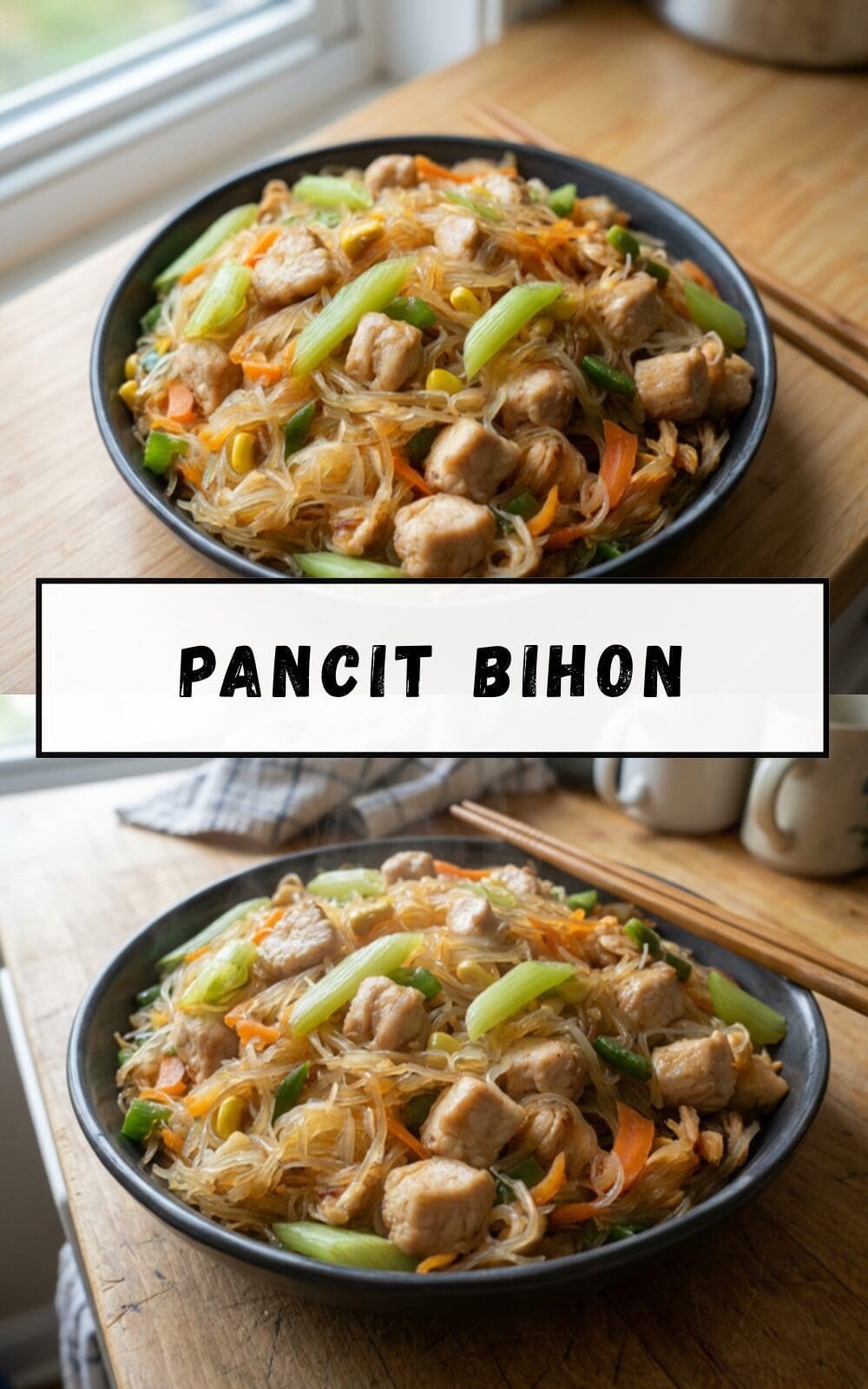
Pancit Bihon is a staple in Filipino kitchens, offering a delicious way to enjoy a hearty meal that’s full of flavor and fun to make. This easy Pancit Bihon guisado recipe brings together rice noodles and fresh veggies for a dish that’s not only tasty but also quick to prepare. Whether you’re a busy parent or a college student, you’ll appreciate how this Filipino noodle stir fry fits into your daily routine with minimal fuss.
Beyond its simplicity, Pancit Bihon stands out for its health perks, packed with nutrients from colorful vegetables and lean proteins. Imagine whipping up a meal in under an hour that provides a balance of carbs, proteins, and vitamins to keep you energized. This recipe is versatile too, adapting to various tastes and dietary needs, making it ideal for families or solo cooks looking for something reliable.
- Ease of preparation: This Pancit Bihon recipe takes just 55 minutes from start to finish, with only 15 minutes of prep time, making it perfect for busy weekdays. You can have a hot meal ready without spending hours in the kitchen, ideal for home cooks who want quick Filipino noodle dishes that don’t require advanced skills.
- Health benefits: Each serving delivers about 240 calories, with 23g of carbs for energy, 13g of protein for muscle repair, and plenty of vitamins like Vitamin C and A from the veggies. It’s a nutritious choice that helps you stay full and healthy, especially if you’re focused on balanced meals without overdoing fats or sodium.
- Versatility: Adapt this dish to fit different diets, from vegan swaps to low-calorie tweaks, so everyone at the table can enjoy it. Whether you’re a student experimenting in a small apartment or a working professional prepping ahead, Pancit Bihon easily adjusts to what’s in your fridge.
- Distinctive flavor: The mix of savory soy sauce, garlic, and a squeeze of calamansi gives this Pancit Bihon its unique, tangy taste that sets it apart from other noodle stir fries. It’s commonly served during special occasions, paired with white bread or lumpiang shanghai for a complete Filipino feast that feels festive yet simple.
This easy Filipino noodle stir fry not only satisfies your cravings but also brings a taste of tradition to your table. For more on how Filipino dishes can brighten your meals, check out our Filipino sides guide to enhance your cooking adventures.
Jump to:
- Why You’ll Love This Pancit Bihon
- Essential Ingredients for Pancit Bihon
- Main Ingredients
- Special Dietary Options
- How to Prepare the Perfect Pancit Bihon: Step-by-Step Guide
- First Step: Prepare the Ingredients
- Second Step: Sauté the Aromatics
- Third Step: Cook the Proteins
- Fourth Step: Simmer the Broth
- Fifth Step: Add the Vegetables
- Sixth Step: Incorporate the Sauce and Noodles
- Final Step: Combine and Serve
- Dietary Substitutions to Customize Your Pancit Bihon
- Protein and Main Component Alternatives
- Vegetable, Sauce, and Seasoning Modifications
- Mastering Pancit Bihon: Advanced Tips and Variations
- How to Store Pancit Bihon: Best Practices
- FAQs: Frequently Asked Questions About Pancit Bihon
- What is pancit bihon?
- Where did pancit bihon originate?
- How do you make pancit bihon at home?
- What should you serve with pancit bihon?
- How long does pancit bihon last and how do you reheat it?
- Pancit Bihon
- Ingredients
- Instructions
- Last Step:
- Notes
- Nutrition
- Did you make this recipe?
Essential Ingredients for Pancit Bihon
Gathering the right ingredients is key to making a delicious Pancit Bihon guisado. This section lists everything you need for a recipe that serves 8, with precise measurements and quick notes on why each one matters. Using fresh, quality items will help you create that authentic Filipino flavor without much effort.
Main Ingredients
- 1 lb pancit bihon (rice noodles) – These thin rice sticks form the base of the dish, soaking up flavors and providing a mild, gluten-free noodle texture.
- 1/2 lb pork, cut into small thin slices – Adds protein and a savory depth that makes the stir fry hearty and satisfying.
- 1/2 lb chicken, cooked, deboned, and cut into thin slices – Brings tender protein to the mix, enhancing the overall nutrition and taste.
- 1/8 lb snow peas – Offer a crisp, fresh crunch and a boost of vitamins, keeping the veggies vibrant and colorful.
- 1 cup carrot, sliced – Provides sweetness and fiber, plus a good dose of Vitamin A for eye health.
- 1/2 small cabbage, chopped – Bulk up the dish with low-calorie greens that add volume and a slight crunch.
- 1 cup celery leaves, finely chopped – Infuse a fresh, aromatic note that balances the richer flavors.
- 1 onion, chopped – Builds the base flavor with its pungent kick when sautéed.
- 1/2 tablespoon garlic, minced – Delivers that essential aromatic punch to start the stir fry off right.
- 2 teaspoons chicken powder – Enhances the broth with umami, making the noodles flavorful and cohesive.
- 5 tablespoons soy sauce – Adds the signature salty tang that ties all the ingredients together.
- 3 to 4 cups water – Serves as the broth base to simmer and soften everything perfectly.
- 3 tablespoons cooking oil – Helps sauté the ingredients evenly for a non-sticking, golden result.
Special Dietary Options
- Vegan: Replace the pork and chicken with tofu for a plant-based protein that keeps the dish filling; use vegan broth instead of chicken powder.
- Gluten-free: Stick with the rice noodles as they are naturally gluten-free, and opt for tamari in place of soy sauce if needed.
- Low-calorie: Cut back on oil to 2 tablespoons and increase veggies like cabbage and carrots to boost volume without adding extra calories.
How to Prepare the Perfect Pancit Bihon: Step-by-Step Guide
Making Pancit Bihon at home is straightforward and fun, turning simple ingredients into a flavorful Filipino noodle stir fry. This easy Pancit Bihon recipe guides you through each step, ensuring even beginners can create a dish that’s ready in about 55 minutes. Start by organizing your workspace for the best results.
First Step: Prepare the Ingredients
Begin by soaking 1 lb of pancit bihon in water for about 10 minutes to soften the noodles, which makes them easy to stir fry later. While the noodles soak, chop your vegetables and proteins: slice 1/2 lb pork and 1/2 lb chicken into thin pieces, chop 1/2 small cabbage, slice 1 cup carrot, and prepare 1/8 lb snow peas and 1 cup celery leaves. This mise en place keeps everything organized and speeds up cooking.
Second Step: Sauté the Aromatics
Heat 3 tablespoons of cooking oil in a large wok over medium heat. Add 1/2 tablespoon minced garlic and 1 chopped onion, sautéing until they turn fragrant and golden, which takes about 1-2 minutes. This step builds the flavorful base that infuses the entire dish with that classic Pancit Bihon taste.
Third Step: Cook the Proteins
Add the sliced pork and chicken to the wok and cook for about 2 minutes until they brown nicely, stirring to ensure even cooking. This helps lock in the juices and adds a hearty texture to your easy Filipino noodle stir fry.
Fourth Step: Simmer the Broth
Sprinkle in 2 teaspoons of chicken powder and pour in 3 to 4 cups of water, then bring it to a simmer for 15 minutes. This allows the flavors to meld together, creating a savory broth that the noodles will absorb.
Fifth Step: Add the Vegetables
Mix in the chopped cabbage, sliced carrots, snow peas, and celery leaves, simmering for a few minutes until the vegetables are tender but still crisp. Remove the meat and veggies from the pot, leaving the liquid behind to keep their colors and textures intact.
Sixth Step: Incorporate the Sauce and Noodles
Stir in 5 tablespoons of soy sauce to the remaining liquid in the pot for that tangy flavor. Drain the soaked pancit bihon and add it to the pot, mixing well and cooking until the liquid evaporates and the noodles are evenly coated, about 5-7 minutes.
Final Step: Combine and Serve
Return the meat and vegetables to the pot and simmer for another minute or two to heat everything through. Serve your Pancit Bihon hot, optionally with a squeeze of calamansi for extra tang, and pair it with white bread or lumpiang shanghai for a complete meal. For more inspiration on Filipino recipes, visit this Pancit recipe from Pickled Plum.

Dietary Substitutions to Customize Your Pancit Bihon
Protein and Main Component Alternatives
If pork or chicken isn’t on hand, swap them for shrimp or beef slices to keep the dish protein-packed and flavorful. For a lighter option, use more veggies like mushrooms in place of meat, which works well for those watching their calories. Always adjust cooking time based on the protein you choose to ensure it’s fully cooked.
Vegetable, Sauce, and Seasoning Modifications
Try snap peas instead of snow peas for a similar crunch, or add bell peppers for extra color if you want a non-traditional twist. Switch soy sauce for a low-sodium version to cut back on salt, and experiment with herbs like basil for a fresh seasoning variation that suits seasonal ingredients.
Mastering Pancit Bihon: Advanced Tips and Variations
To take your Pancit Bihon guisado to the next level, focus on pro cooking techniques like stir-frying at high heat for that perfect noodle texture. For flavor variations, add thinly sliced Chinese sausage when sautéing meats to bring in extra smokiness. Presentation tips include garnishing with fresh herbs to make your dish look as good as it tastes.
- Pro cooking techniques: Keep stirring constantly to avoid sticking, and use a large wok for even heat distribution.
- Flavor variations: Mix in bell peppers for a colorful boost, though it’s not traditional, or opt for snap peas as a substitute.
- Presentation tips: Serve in a wide bowl with calamansi on the side for a pop of color and flavor.
- Make-ahead options: Prep veggies the night before to save time, making it easy for busy parents or working professionals.
Learn more about health benefits in this health guide on chicken.
How to Store Pancit Bihon: Best Practices
Proper storage keeps your Pancit Bihon fresh and tasty for later. For short-term needs, refrigerate leftovers in an airtight container right after cooling. When freezing, portion it into bags for up to 2 months to maintain quality.
- Refrigeration: Store at room temperature for up to 2 hours, then keep in the fridge for 3-5 days to preserve flavor.
- Freezing: Freeze in sealed bags and thaw before reheating to avoid dryness.
- Reheating: Use a microwave with a damp towel or stir-fry with a bit of water for 3-5 minutes.
- Meal prep considerations: Batch cook for the week, adding fresh veggies when reheating for extra crunch.
FAQs: Frequently Asked Questions About Pancit Bihon
What is pancit bihon?
Pancit bihon, also known as bihon guisado, is a classic Filipino noodle dish made with thin rice vermicelli noodles (bihon) stir-fried with proteins like pork, chicken, or shrimp, and fresh vegetables such as carrots, cabbage, green beans, and snow peas. It’s flavored with soy sauce, garlic, onions, and chicken broth for a savory, umami taste. This versatile dish is a staple at Filipino celebrations like birthdays and fiestas, symbolizing long life due to the long noodles. A typical serving includes about 300-400 calories, with balanced carbs from noodles and nutrients from veggies. It’s naturally gluten-free if using rice noodles and can be adapted for vegetarians by skipping meat. Serve it hot for the best texture. (92 words)
Where did pancit bihon originate?
Pancit bihon traces its roots to Chinese immigrants who brought noodles to the Philippines during the 16th century via trade routes. The name “pancit” derives from the Hokkien words “piansit,” meaning “convenient food” or “something cooked fast,” reflecting its quick preparation. Filipinos adapted it with local ingredients like bihon rice noodles, soy sauce, and tropical veggies, creating a unique Pinoy version. Today, it’s a national favorite, with regional twists like Pancit Canton using wheat noodles. Historical records from Spanish colonial times mention it in Manila’s Chinatown, highlighting its fusion heritage. This dish remains a comfort food across generations. (98 words)
How do you make pancit bihon at home?
To make pancit bihon for 4-6 servings: Soak 8 oz bihon noodles in warm water for 10 minutes, then drain. In a wok, heat 2 tbsp oil over medium heat; sauté 3 minced garlic cloves and 1 chopped onion until fragrant. Add ½ lb sliced pork and ½ lb chicken strips; cook until browned. Stir in 2 tbsp chicken powder, 4 cups water or broth; simmer 15 minutes. Add sliced carrots, snow peas, cabbage, and celery; cook 5 minutes until tender-crisp. Remove solids, add ¼ cup soy sauce to broth, then noodles. Toss until liquid absorbs (5-7 minutes). Return veggies and meat; mix in green onions. Squeeze calamansi on top. Total time: 40 minutes. Avoid overcooking noodles to prevent mushiness. (124 words)
What should you serve with pancit bihon?
Pancit bihon pairs perfectly with simple sides to complete a Filipino meal. Serve it hot with slices of pandesal (Filipino bread rolls) or toasted garlic bread for dipping in the flavorful sauce. Add crispy lumpia (spring rolls) or lumpiang shanghai for crunch. Fresh calamansi or lemon wedges provide a tangy squeeze that brightens the dish. For drinks, try iced tea, buko juice, or soda to cut the savoriness. At parties, accompany with rice for variety, though traditionally it’s standalone. This combo feeds 4-6 people and keeps the meal light yet satisfying. For full recipes, check our lumpia guide or calamansi uses page. It’s ideal for potlucks or family dinners. (110 words)
How long does pancit bihon last and how do you reheat it?
Freshly cooked pancit bihon stays good at room temperature for up to 2 hours. Refrigerate leftovers in an airtight container for 3-5 days; it may dry out after that. For longer storage, freeze portions in freezer bags for up to 2 months. To reheat: Thaw overnight in the fridge if frozen. Microwave covered with a damp paper towel for 1-2 minutes, stirring halfway, or stir-fry in a wok with a splash of water or broth for 3-5 minutes to restore moisture and crispness. Avoid repeated reheating to prevent sogginess. Always check for off smells before eating. Pro tip: Add fresh veggies when reheating for extra crunch. (102 words)

Pancit Bihon
🍜 Dive into Pancit Bihon Guisado, a fiber-rich Filipino noodle stir fry loaded with veggies and lean proteins for a balanced, energizing meal that’s quick and customizable.
🥢 This easy noodle dish brings authentic savory flavors with soy and garlic, perfect for family gatherings or weeknight dinners, offering a delightful way to enjoy Filipino heritage without complexity.
- Total Time: 55 minutes
- Yield: 8 servings
Ingredients
– 1 lb pancit bihon (rice noodles)
– 1/2 lb pork, cut into small thin slices
– 1/2 lb chicken, cooked, deboned, and cut into thin slices
– 1/8 lb snow peas
– 1 cup carrot, sliced
– 1/2 small cabbage, chopped
– 1 cup celery leaves, finely chopped
– 1 onion, chopped
– 1/2 tablespoon garlic, minced
– 2 teaspoons chicken powder
– 5 tablespoons soy sauce
– 3 to 4 cups water
– 3 tablespoons cooking oil
Instructions
1-First Step: Prepare the Ingredients Begin by soaking 1 lb of pancit bihon in water for about 10 minutes to soften the noodles, which makes them easy to stir fry later. While the noodles soak, chop your vegetables and proteins: slice 1/2 lb pork and 1/2 lb chicken into thin pieces, chop 1/2 small cabbage, slice 1 cup carrot, and prepare 1/8 lb snow peas and 1 cup celery leaves. This mise en place keeps everything organized and speeds up cooking.
2-Second Step: Sauté the Aromatics Heat 3 tablespoons of cooking oil in a large wok over medium heat. Add 1/2 tablespoon minced garlic and 1 chopped onion, sautéing until they turn fragrant and golden, which takes about 1-2 minutes. This step builds the flavorful base that infuses the entire dish with that classic Pancit Bihon taste.
3-Third Step: Cook the Proteins Add the sliced pork and chicken to the wok and cook for about 2 minutes until they brown nicely, stirring to ensure even cooking. This helps lock in the juices and adds a hearty texture to your easy Filipino noodle stir fry.
4-Fourth Step: Simmer the Broth Sprinkle in 2 teaspoons of chicken powder and pour in 3 to 4 cups of water, then bring it to a simmer for 15 minutes. This allows the flavors to meld together, creating a savory broth that the noodles will absorb.
5-Fifth Step: Add the Vegetables Mix in the chopped cabbage, sliced carrots, snow peas, and celery leaves, simmering for a few minutes until the vegetables are tender but still crisp. Remove the meat and veggies from the pot, leaving the liquid behind to keep their colors and textures intact.
6-Sixth Step: Incorporate the Sauce and Noodles Stir in 5 tablespoons of soy sauce to the remaining liquid in the pot for that tangy flavor. Drain the soaked pancit bihon and add it to the pot, mixing well and cooking until the liquid evaporates and the noodles are evenly coated, about 5-7 minutes.
7-Final Step: Combine and Serve Return the meat and vegetables to the pot and simmer for another minute or two to heat everything through. Serve your Pancit Bihon hot, optionally with a squeeze of calamansi for extra tang, and pair it with white bread or lumpiang shanghai for a complete meal. For more inspiration on Filipino recipes, visit this Pancit recipe from Pickled Plum.
Last Step:
Please leave a rating and comment letting us know how you liked this recipe! This helps our business to thrive and continue providing free, high-quality recipes for you.Notes
🌶️ Add thinly sliced Chinese sausage when sautéing the meats for an extra burst of savory, smoky flavor that elevates the traditional taste.
🥦 Avoid overcooking the vegetables to preserve their vibrant color and crisp texture, ensuring a fresh contrast to the soft noodles.
🍋 Serve with fresh calamansi or lime wedges to add a tangy zing that brightens the dish and balances the savory soy base.
- Prep Time: 15 minutes
- Cook Time: 40 minutes
- Category: Main Course
- Method: Stir-Frying
- Cuisine: Filipino
- Diet: Omnivore
Nutrition
- Serving Size: 1 portion
- Calories: 240 kcal
- Sugar: 4g
- Sodium: 845mg
- Fat: 11g
- Saturated Fat: 4g
- Unsaturated Fat: 7g
- Trans Fat: 0.03g
- Carbohydrates: 23g
- Fiber: 3g
- Protein: 13g
- Cholesterol: 42mg


