

Why You’ll Love This Pavlova
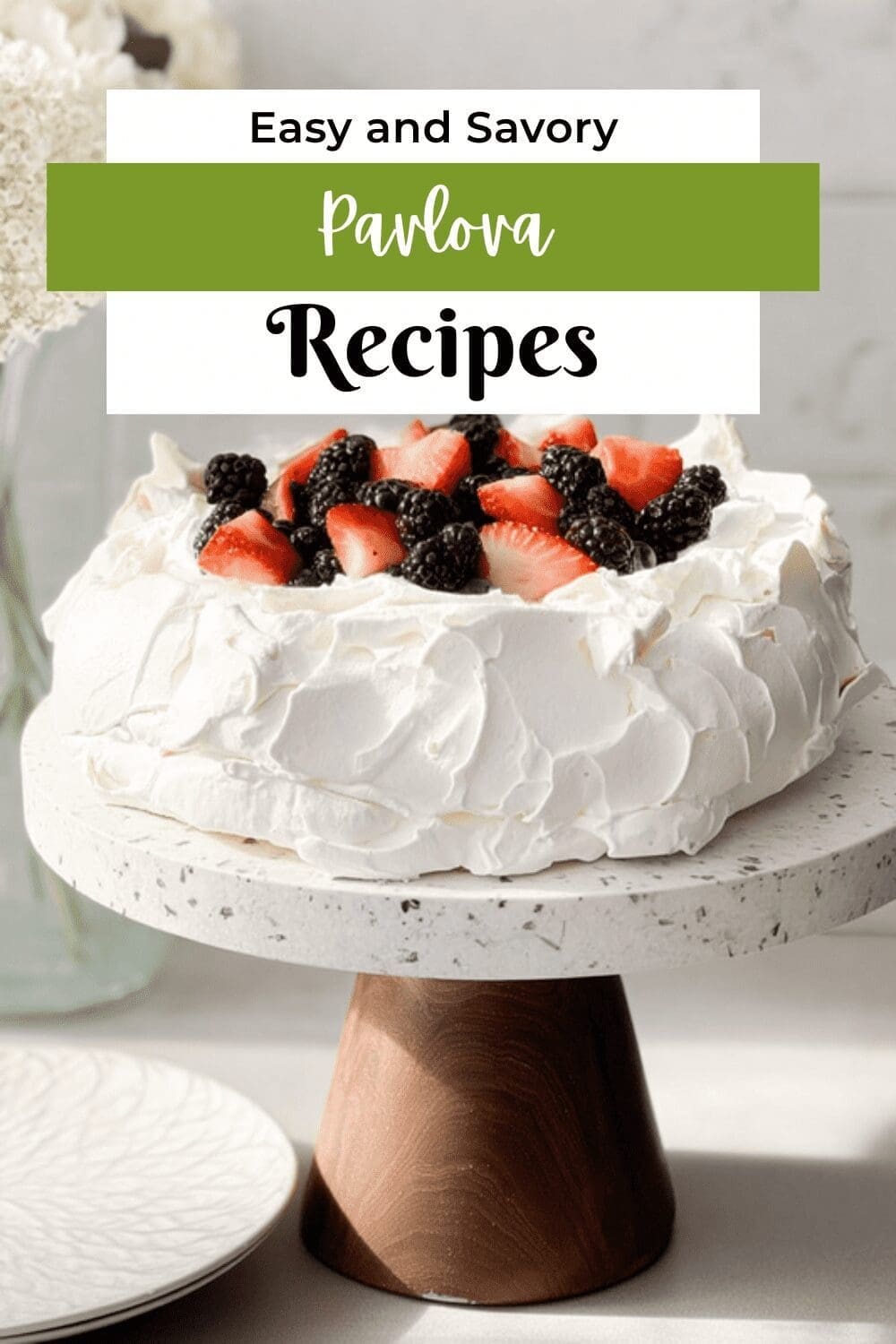
Imagine ending your meal with a light, airy treat that’s both easy to make and packed with fresh flavors pavlova is that dessert! This pavlova recipe stands out for its simple preparation, making it ideal for home cooks and busy parents alike. Plus, it’s naturally gluten-free and adaptable, so you can enjoy it no matter your dietary needs. Get ready to impress your guests with a dessert that combines crisp edges, a chewy top, and a marshmallow-soft center topped with whipped cream and fresh fruit.
One reason you’ll adore this pavlova is its health benefits; it uses fresh ingredients that keep things light and nutritious compared to richer desserts. You can easily tweak it for vegan or low-calorie options, appealing to diet-conscious individuals and food enthusiasts. Whether you’re a student whipping up a quick treat or a working professional hosting dinner, this dessert’s versatility fits right in. It’s a fun way to explore baking without overwhelming steps.
Beyond ease, pavlova’s distinctive flavor profile really shines through its balance of sweetness and fresh toppings. This makes it perfect for sharing with family or friends during gatherings. If you’re new to baking, don’t worry this recipe builds confidence while delivering impressive results every time. For more dessert ideas, check out our easy peach cobbler dump cake recipe for another simple favorite.
Jump to:
- Why You’ll Love This Pavlova
- Essential Ingredients for Pavlova
- How to Prepare the Perfect Pavlova: Step-by-Step Guide
- Gathering and Preparing Ingredients
- Dietary Substitutions to Customize Your Pavlova
- Mastering Pavlova: Advanced Tips and Variations
- Flavor and Presentation Ideas
- How to Store Pavlova: Best Practices
- FAQs: Frequently Asked Questions About Pavlova
- What is pavlova and what makes it unique?
- Why is cornstarch added to pavlova, and how does it affect the texture?
- How can I prevent pavlova from cracking during cooling?
- Can pavlova be prepared in advance and how should it be stored?
- Is it possible to make individual mini pavlovas, and how do baking times differ?
- Pavlova
- Ingredients
- Instructions
- Last Step:
- Notes
- Nutrition
- Did you make this recipe?
Essential Ingredients for Pavlova
Gathering the right ingredients is key to making a perfect pavlova, and this section lists everything you need with precise measurements to ensure success. Let’s break down the essentials so you can prepare without any guesswork. Remember, using high-quality items will enhance the final result, making your pavlova truly irresistible.
- 4 large egg whites, at room temperature
- 1 cup superfine sugar (can be made by pulsing granulated sugar in a food processor)
- 1 teaspoon pure vanilla extract
- 1/2 teaspoon cream of tartar (or substitute: 1 teaspoon white vinegar, apple cider vinegar, or lemon juice)
- 1 teaspoon cornstarch
These ingredients form the base of your pavlova, providing structure and flavor. For special dietary options, consider vegan swaps like aquafaba for egg whites to keep things inclusive. Always measure accurately to achieve that ideal texture everyone loves.
How to Prepare the Perfect Pavlova: Step-by-Step Guide
Ready to dive into baking? Follow this straightforward guide to create a pavlova that’s crispy on the outside and soft inside it’s easier than you think! Start by preheating your oven, as this sets the stage for success. This method draws from time-tested tips to help you get pavlova right on your first try.
Gathering and Preparing Ingredients
Before you begin, ensure all ingredients are at room temperature for the best results. Beat the egg whites until soft peaks form, then gradually add sugar to build that glossy finish. Folding in the cornstarch and vanilla gently keeps the mixture airy, avoiding any deflation.
- Preheat oven to 350°F (175°C). Line a baking sheet with parchment paper or a silicone baking mat.
- Beat egg whites on medium-high speed until soft peaks form (about 5 minutes). Gradually add sugar in two additions, beating 30 seconds between additions. Continue beating on high speed until stiff, glossy peaks form (about 2 minutes). Add vanilla and beat 1 more minute. Gently fold in cream of tartar (or acid substitute) and cornstarch.
- Spread the mixture into an 8-9 inch circle on the prepared baking sheet, building taller edges and creating a dip in the center for toppings. Decorative peaks can be made with a spoon.
- Place the pavlova in the oven and immediately reduce the temperature to 200°F (95°C). Bake for about 90 minutes until firm and dry. Rotate the pan if uneven browning occurs.
- Turn the oven off and allow the pavlova to cool completely inside the oven to prevent cracking from sudden temperature change.
- Once cooled, top generously with whipped cream and fresh fruit (or other desired toppings). Serve immediately.
This process takes about 20 minutes to prep and 90 minutes to cook, with total time around 4 hours including cooling. For variations, you might adapt this to mini pavlovas, baking smaller mounds for 35-40 minutes at 200°F (95°C).

Dietary Substitutions to Customize Your Pavlova
Making pavlova fit your lifestyle is simple with a few tweaks, so everyone at the table can enjoy it. Whether you’re going vegan or cutting calories, these changes keep the magic intact. Let’s explore how to personalize this dessert for different needs.
- Use aquafaba as a replacement for egg whites to create a vegan-friendly version that still whips up fluffy.
- Swap superfine sugar for natural alternatives like erythritol or stevia if you’re watching calories.
- Add seasonal fruits such as berries or kiwi for fresh flavors that align with dietary preferences.
These substitutions ensure pavlova remains versatile for busy parents, seniors, or anyone with specific diets. Remember, the acid stabilizer like vinegar helps maintain texture, so don’t skip it. With these adjustments, your pavlova stays delicious and inclusive.
Mastering Pavlova: Advanced Tips and Variations
Once you’re comfortable with the basics, let’s level up your pavlova game with pro techniques and creative twists. Using room temperature egg whites boosts volume, while gradually adding sugar ensures a glossy finish that’s picture-perfect. Experimenting with flavors can turn your pavlova into a standout dessert for any occasion.
Flavor and Presentation Ideas
Add citrus zest or almond extract to the meringue for a unique taste that surprises your guests. For presentation, pipe the mixture into fun shapes and top with layered fruits for visual appeal. If you’re hosting, these touches make your pavlova feel extra special.
| Tips | Benefits |
|---|---|
| Use a water bath during baking | Maintains moisture for a perfect center |
| Try edible flowers | Enhances elegance and flavor variety |
| Prepare in advance | Saves time for make-ahead meals |
With these variations, you can serve 8-10 people easily. Don’t forget, topping just before serving keeps that crisp exterior intact, as shared in our earlier tips. For more baking inspiration, explore our easy peach cobbler dump cake to expand your repertoire.
How to Store Pavlova: Best Practices
Keeping your pavlova fresh is crucial to enjoying its texture, so let’s cover the best ways to store it. Store components separately to maintain crispness, like keeping the meringue base in an airtight container. This approach works well for meal prep, especially for busy professionals.
- Refrigerate toppings for up to 24 hours to keep them fresh.
- Freeze the baked shell for up to 1 month without assembly.
- Avoid reheating; let it reach room temperature before serving.
By following these steps, your pavlova stays delightful for later. Remember, assembling right before eating preserves quality, making it ideal for travelers or students. Starting at a higher oven temperature and cooling gradually, as we discussed, plays a big role in this.
FAQs: Frequently Asked Questions About Pavlova
What is pavlova and what makes it unique?
Pavlova is a light dessert originating from New Zealand and Australia, made primarily from whipped egg whites baked until the outside is crisp and the inside is soft and marshmallow-like. Its unique texture combines a crunchy exterior with a fluffy center, often topped with fresh fruit and whipped cream. This combination offers a contrast in textures and flavors that distinguishes pavlova from other meringue-based desserts.
Why is cornstarch added to pavlova, and how does it affect the texture?
Cornstarch is added to pavlova to create a soft, marshmallow-like interior while helping to stabilize the dessert’s structure. It absorbs moisture, keeping the center tender without becoming soggy. Typically, about one teaspoon is enough to achieve a fluffy texture without imparting a chalky taste.
How can I prevent pavlova from cracking during cooling?
Cracks often form when pavlova is exposed to sudden temperature changes. To prevent this, it’s best to cool the pavlova gradually by leaving it inside the turned-off oven with the door slightly ajar after baking. This slow cooling process avoids shocks that cause cracks and helps maintain a smooth surface.
Can pavlova be prepared in advance and how should it be stored?
Yes, the baked pavlova base can be stored at room temperature, covered loosely, for up to two days before assembling. It’s important to add toppings like whipped cream and fruit just before serving, as the dessert does not freeze well and the crispiness of the shell diminishes over time.
Is it possible to make individual mini pavlovas, and how do baking times differ?
Mini pavlovas can be made by dividing the meringue mixture into smaller portions on a baking sheet. For about six mini pavlovas, bake them at 200°F (93°C) for 35–40 minutes, after starting at a higher temperature like 350°F (177°C) to set the structure. Mini pavlovas offer a convenient, single-serving option without sacrificing texture.

Pavlova
🕊️ Pavlova offers a light and airy dessert with a crisp crust and marshmallow-soft center, perfect for those seeking a naturally gluten-free treat.
🍓 Topped with fresh fruit and whipped cream, it provides a delightful balance of textures and flavors that’s both elegant and refreshing.
- Total Time: 4 hours
- Yield: 8-10 servings
Ingredients
– 4 large egg whites, at room temperature
– 1 cup superfine sugar
– 1 teaspoon pure vanilla extract
– 1/2 teaspoon cream of tartar
– 1 teaspoon cornstarch
Instructions
1-Preheat oven to 350°F (175°C). Line a baking sheet with parchment paper or a silicone baking mat.
2-Beat egg whites on medium-high speed until soft peaks form (about 5 minutes). Gradually add sugar in two additions, beating 30 seconds between additions. Continue beating on high speed until stiff, glossy peaks form (about 2 minutes). Add vanilla and beat 1 more minute. Gently fold in cream of tartar (or acid substitute) and cornstarch.
3-Spread the mixture into an 8-9 inch circle on the prepared baking sheet, building taller edges and creating a dip in the center for toppings. Decorative peaks can be made with a spoon.
4-Place the pavlova in the oven and immediately reduce the temperature to 200°F (95°C). Bake for about 90 minutes until firm and dry. Rotate the pan if uneven browning occurs.
5-Turn the oven off and allow the pavlova to cool completely inside the oven to prevent cracking from sudden temperature change.
6-Once cooled, top generously with whipped cream and fresh fruit (or other desired toppings). Serve immediately.
Last Step:
Please leave a rating and comment letting us know how you liked this recipe! This helps our business to thrive and continue providing free, high-quality recipes for you.Notes
🥚 Use room temperature egg whites for best volume and whipping speed.
🍚 Superfine sugar dissolves better—pulse granulated sugar if needed, and avoid powdered sugar.
🔥 Cool pavlova gradually in the oven to minimize cracking and do not grease the baking surface.
- Prep Time: 20 minutes
- Oven cooling time: 2 hours
- Cook Time: 90 minutes
- Category: Dessert
- Method: Baking
- Cuisine: New Zealand/Australian
- Diet: Gluten-Free, Vegetarian
Nutrition
- Serving Size: 1 slice
- Calories: 190
- Sugar: 35 g
- Sodium: 20 mg
- Fat: 0 g
- Saturated Fat: 0 g
- Unsaturated Fat: 0 g
- Trans Fat: 0 g
- Carbohydrates: 46 g
- Fiber: 0 g
- Protein: 2 g
- Cholesterol: 0 mg


