

Why You’ll Love This Pie Crust Recipe
This pie crust recipe stands out with its simple steps that make baking fun and accessible, perfect for anyone from new beginners to seasoned bakers. You’ll appreciate how it comes together quickly, helping you create tasty homemade pies without spending hours in the kitchen. Plus, it delivers a flaky texture and rich flavor that elevates everyday desserts into something special.
One key benefit is the health aspect, as this recipe uses wholesome ingredients that keep things light on additives while offering balanced nutrition. For instance, it’s easy to tweak for different diets, making it versatile for various needs. Whether you’re whipping up a fruit pie or a savory option, this crust adds a delightful buttery taste that everyone will enjoy.
Benefits of Easy Preparation
The steps are straightforward, cutting down on prep time so you can focus more on enjoying the results. This means less mess and more moments to share your creation with family. It’s a go-to for busy parents or students looking for quick wins in the kitchen.
Health and Flavor Highlights
Made with real ingredients like flour and butter, this crust supports a balanced diet without extra fuss. The natural flavors shine through, giving you that homemade charm. It’s not just about taste; it’s about feeling good about what you make.
Jump to:
- Why You’ll Love This Pie Crust Recipe
- Benefits of Easy Preparation
- Health and Flavor Highlights
- Essential Ingredients for Pie Crust Recipe
- How to Prepare the Perfect Pie Crust Recipe: Step-by-Step Guide
- Dietary Substitutions to Customize Your Pie Crust Recipe
- Mastering Pie Crust Recipe: Advanced Tips and Variations
- Pro Techniques for Better Results
- How to Store Pie Crust Recipe: Best Practices
- FAQs: Frequently Asked Questions About Pie Crust Recipe
- What basic ingredients do I need to make a classic pie crust?
- How can I tell if my pie dough has enough water without making it too sticky?
- What should I do if my pie dough becomes too hard to roll out after chilling?
- How can I blind bake a pie crust without it shrinking or bubbling?
- Can I freeze homemade pie dough, and how should I store it properly?
- Pie Crust Recipe
- Ingredients
- Instructions
- Last Step:
- Notes
- Nutrition
- Did you make this recipe?
Essential Ingredients for Pie Crust Recipe
To make this pie crust, you’ll need a few key items that come together easily. Each one plays a role in creating that perfect flaky texture, so let’s break it down in a clear list. This ensures you have everything ready to go before you start.
- 2 1/2 cups all-purpose flour, plus more for dusting
- 1/2 tablespoon sugar
- 1/2 teaspoon salt
- 1/2 pound cold unsalted butter (2 sticks), diced into 1/4 inch pieces
- 7 tablespoons ice water (7 to 8 tablespoons)
These ingredients form the base of a classic crust that’s both simple and effective. For alternatives, check out the dietary substitutions section below. Using cold butter and water is key to getting those light, airy layers everyone loves.
How to Prepare the Perfect Pie Crust Recipe: Step-by-Step Guide
Follow these easy steps to make your pie crust from start to finish. This guide draws from proven methods to ensure great results every time. First, gather your ingredients and tools for smooth sailing.
- Gather all ingredients, chill the butter and water, and measure the flour and salt accurately to set yourself up for success.
- Place the flour, sugar, and salt into a food processor bowl and pulse a few times to combine. If you’re not using a food processor, whisk the dry ingredients together in a bowl using a pastry cutter.
- Add the cold diced butter and pulse until the mixture forms coarse crumbs with some pea-sized pieces. Avoid overmixing, as the mixture should remain dry and powdery for the best texture.
- Add 7 tablespoons of ice water and pulse just until moist clumps or small balls form. If the dough is too crumbly, add more water 1 teaspoon at a time, taking care not to overwater so the dough stays manageable.
- Transfer the dough to a clean surface and gather it into a ball without kneading. Divide it into two disks, cover with plastic wrap, and refrigerate for 1 hour before using to enhance the dough’s texture.
- To roll out the dough, dust the surface with flour and roll it into a 12-inch circle. Wrap the dough around the rolling pin and transfer it to a pie dish, then press it gently to line the dish and tuck any excess dough underneath to form a thick edge.
- To finish the edges, pinch and press the dough at the outer edge with your thumb and fingers around the pan to create a decorative rim. Chill the crust again before baking to maintain its shape.
- Finally, bake at 375°F (190°C) for 20-25 minutes or until golden brown, adjusting as needed for your pie’s specifics.
This process takes about 10 minutes of prep time plus 1 hour of chilling, for a total of 1 hour 10 minutes. Keep things gentle to avoid tough dough and aim for that ideal flaky finish.

Dietary Substitutions to Customize Your Pie Crust Recipe
Making this pie crust work for your needs is simple with a few swaps. These changes help keep the flavor and texture intact while fitting different diets. For example, if you’re going vegan, swap in plant-based options without losing that buttery feel.
- Substitute butter with vegan margarine or coconut oil for plant-based options to keep the dough flaky.
- Use gluten-free flour blends tailored with xanthan gum to replace traditional flour and maintain structure.
- For low-calorie versions, try light oil or unsweetened applesauce in place of butter to cut down on fat while keeping it moist.
Protein and main component alternatives can include herbs like rosemary for added flavor. Vegetable modifications might involve mixing in purees for color, but always test how they affect the dough.
Mastering Pie Crust Recipe: Advanced Tips and Variations
Once you’re comfortable with the basics, try these tips to take your pie crust to the next level. Using ice-cold tools and ingredients helps ensure flakiness, especially for pies with wet fillings. For flavor variations, experiment with adding finely ground nuts or spices like cinnamon right into the dough.
Pro Techniques for Better Results
Pre-bake the crust blind to handle fillings that need extra cooking time. If you want to add a link to a similar recipe for inspiration, check out our delicious peach cobbler recipe on the blog, which uses a simple crust base.
This homemade pie crust works for both sweet and savory pies, such as fruit pies, chicken pot pies, and quiche, making it incredibly versatile.
Presentation ideas include decorative crimping or lattice work on the edges. For make-ahead options, prepare the dough in advance and freeze the discs to save time later.
How to Store Pie Crust Recipe: Best Practices
Proper storage keeps your pie crust fresh and ready for use. Store wrapped dough or baked crust in an airtight container in the fridge for up to 3 days. Freezing is another great option, as dough discs can be wrapped tightly and kept for up to 3 months just thaw in the fridge before rolling.
| Storage Method | Duration | Tips |
|---|---|---|
| Refrigeration | Up to 3 days | Wrap tightly to maintain freshness |
| Freezing | Up to 3 months | Thaw slowly in the fridge for best results |
| Reheating | N/A | Warm in a 350°F oven for 5-10 minutes |
Batch prepare and freeze in portions to streamline your baking routine. The dough can be refrigerated for up to 3 days or frozen when wrapped airtight for up to 3 months, as mentioned.
FAQs: Frequently Asked Questions About Pie Crust Recipe
What basic ingredients do I need to make a classic pie crust?
To make a classic pie crust, you’ll need all-purpose flour, cold unsalted butter, a pinch of salt, a small amount of sugar for a touch of sweetness, and ice-cold water. The cold butter helps create a flaky texture, and the ice water binds the dough without melting the butter. Using these ingredients in the right proportions is key to a tender, crisp crust.
How can I tell if my pie dough has enough water without making it too sticky?
After mixing, pinch a small piece of dough between your fingers. If it holds together without crumbling but isn’t sticky or wet, you’ve added enough water. If the dough falls apart, add ice water one teaspoon at a time and mix gently. Avoid adding too much water to prevent a tough crust.
What should I do if my pie dough becomes too hard to roll out after chilling?
If the dough is too firm after chilling, let it rest at room temperature for about 10 to 20 minutes. This softens the butter slightly, making the dough easier to roll without sticking. Avoid microwaving or warming the dough too much, as this can cause the butter to melt and affect the texture.
How can I blind bake a pie crust without it shrinking or bubbling?
To blind bake, first chill the shaped dough for at least 30 minutes. Then line it with parchment paper and fill with pie weights or dry beans to keep the crust flat. Bake at 425°F (220°C) for about 17 minutes, remove weights, prick the bottom with a fork to prevent bubbles, and bake for another 5 minutes. This method helps the crust stay firm and prevents shrinking.
Can I freeze homemade pie dough, and how should I store it properly?
Yes, homemade pie dough freezes well. Wrap the dough tightly in plastic wrap and place it inside an airtight container or freezer bag to avoid freezer burn. It can be frozen for up to three months. When ready to use, thaw the dough completely in the refrigerator overnight before rolling it out for best results.
Pie Crust Recipe
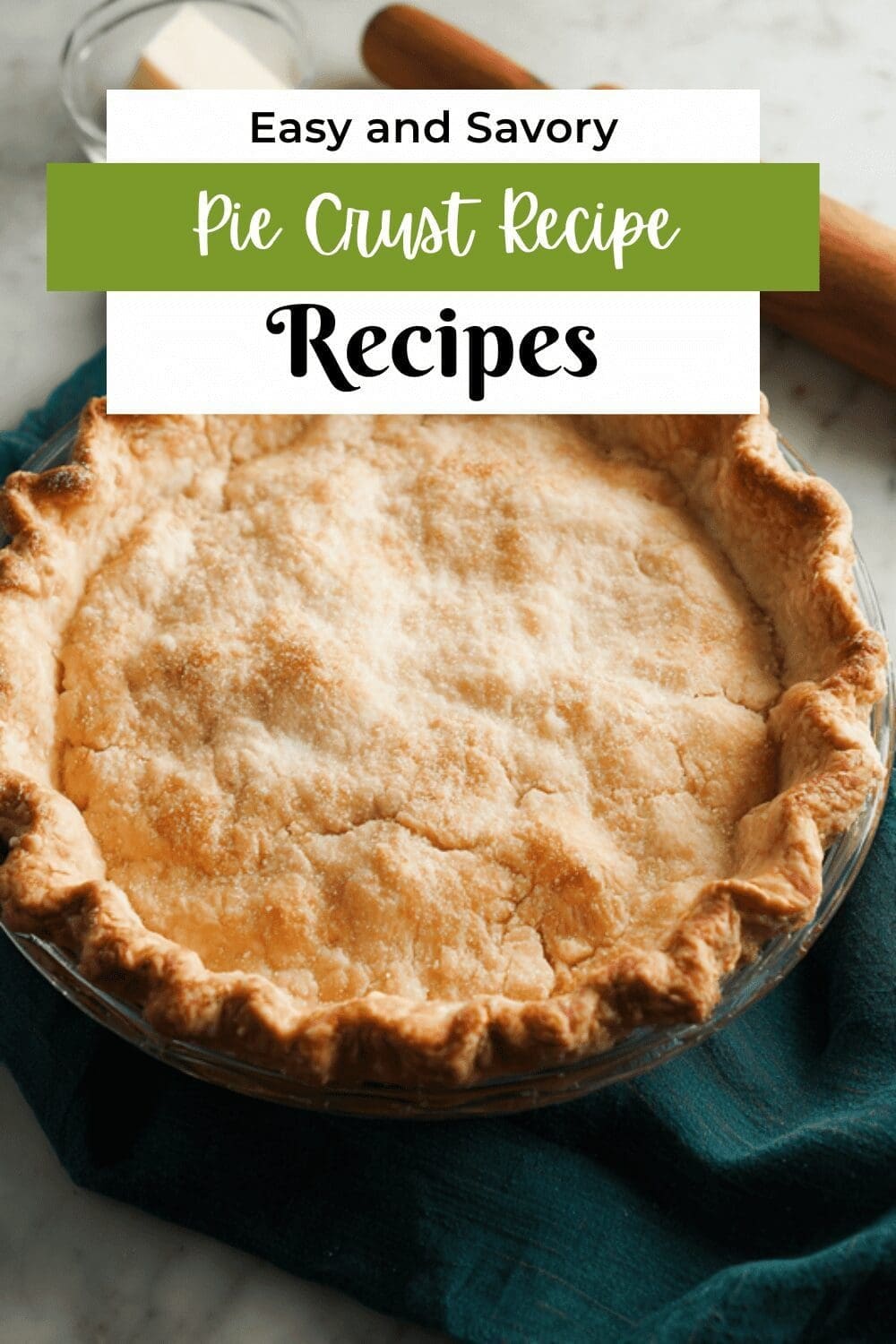
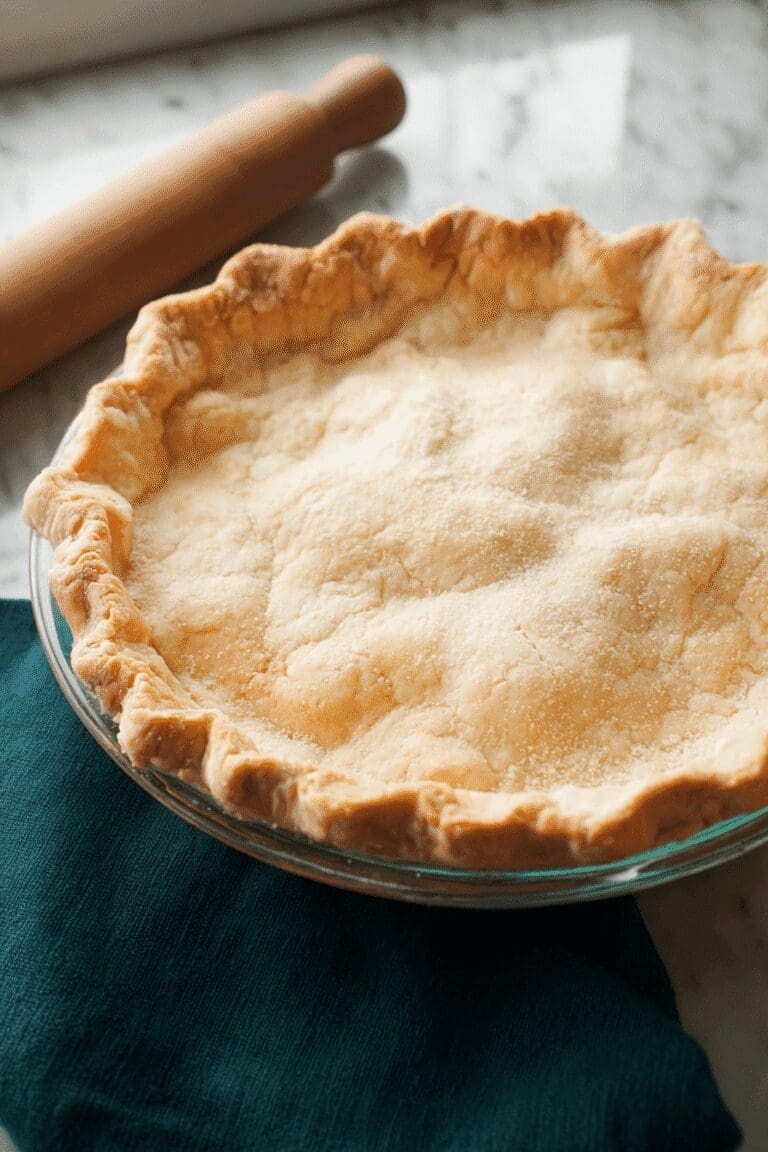
🥧 This Easy Pie Crust Recipe yields a flaky, buttery crust that serves as the perfect base for homemade pies.
🍎 Whether for savory or sweet fillings, this recipe simplifies the process, helping you create impressive pies with ease.
- Total Time: 1 hour 10 minutes
Ingredients
– 2 1/2 cups all-purpose flour, plus more for dusting
– 1/2 tablespoon sugar
– 1/2 teaspoon salt
– 1/2 pound cold unsalted butter (2 sticks), diced into 1/4 inch pieces
– 7 tablespoons ice water (7 to 8 tablespoons)
Instructions
1-Gather all ingredients: chill the butter and water, and measure the flour and salt accurately to set yourself up for success.
2-Place the flour, sugar, and salt into a food processor bowl and pulse a few times to combine. If you’re not using a food processor, whisk the dry ingredients together in a bowl using a pastry cutter.
3-Add the cold diced butter and pulse until the mixture forms coarse crumbs with some pea-sized pieces. Avoid overmixing, as the mixture should remain dry and powdery for the best texture.
4-Add 7 tablespoons of ice water and pulse just until moist clumps or small balls form. If the dough is too crumbly, add more water 1 teaspoon at a time, taking care not to overwater so the dough stays manageable.
5-Transfer the dough to a clean surface and gather it into a ball without kneading. Divide it into two disks, cover with plastic wrap, and refrigerate for 1 hour before using to enhance the dough’s texture.
6-To roll out the dough, dust the surface with flour and roll it into a 12-inch circle. Wrap the dough around the rolling pin and transfer it to a pie dish, then press it gently to line the dish and tuck any excess dough underneath to form a thick edge.
7-To finish the edges, pinch and press the dough at the outer edge with your thumb and fingers around the pan to create a decorative rim. Chill the crust again before baking to maintain its shape.
8-Finally, bake at 375°F (190°C) for 20-25 minutes or until golden brown, adjusting as needed for your pie’s specifics.
Last Step:
Please leave a rating and comment letting us know how you liked this recipe! This helps our business to thrive and continue providing free, high-quality recipes for you.Notes
🧈 Use cold butter straight from the refrigerator for a tender, flaky crust.
⏳ Let dough sit at room temperature 10-20 minutes before rolling if too hard from chilling.
🚫 Avoid overmixing to prevent tough crust formation due to gluten development.
- Prep Time: 10 minutes
- Chilling: 1 hour
- Category: Baking
- Method: Mixing and Rolling
Nutrition
- Calories: 232
- Sodium: 99 mg
- Fat: 15 g
- Saturated Fat: 9 g
- Carbohydrates: 20 g
- Protein: 2 g
- Cholesterol: 40 mg


