

Why You’ll Love This Pound Cake Recipe
Pound cake stands out as a timeless favorite for home bakers, offering a straightforward way to create a moist and flavorful dessert that feels both classic and adaptable. This pound cake recipe combines simple ingredients into something truly special, making it ideal for busy parents and baking enthusiasts who want reliable results. Its easy preparation means you can whip it up without fuss, delivering a treat that’s perfect for any occasion from family gatherings to a quick weeknight dessert.
One key appeal is the ease of preparation, where this recipe keeps things simple for bakers of all skill levels with quick steps that fit into everyday routines. You’ll enjoy how it bakes up in under an hour, freeing up your time for other tasks while still providing a homemade cake. This approach makes it accessible whether you’re a student in a small kitchen or a working professional balancing multiple duties.
Health benefits come from thoughtful ingredient choices, like using nutrient-rich elements that support balanced eating without sacrificing taste. With ingredients such as eggs and sour cream, the cake offers a mix of proteins and healthy fats that align with wellness goals for diet-conscious folks. It’s a dessert option that keeps things lighter while still feeling indulgent, perfect for seniors or those watching their intake.
The recipe’s versatility shines through in its ability to adapt to various needs, such as vegan or gluten-free versions, making it welcoming for travelers and newlyweds with diverse preferences. You can tweak it for low-calorie options or add flavors to suit food enthusiasts experimenting at home. This flexibility ensures everyone from college students to apartment dwellers can find a version that fits their lifestyle.
What really makes this pound cake special is its rich, buttery flavor and tender texture, achieved through expert techniques that enhance every bite. The combination creates a dessert that’s not just tasty but also memorable, encouraging repeats in your baking routine. For more inspiration on easy desserts, check out our peach cobbler dump cake recipe.
Jump to:
- Why You’ll Love This Pound Cake Recipe
- Essential Ingredients for Pound Cake Recipe
- How to Prepare the Perfect Pound Cake Recipe: Step-by-Step Guide
- Preheating and Preparing the Pan
- Mixing the Batter
- Baking and Cooling
- Dietary Substitutions to Customize Your Pound Cake Recipe
- Mastering Pound Cake Recipe: Advanced Tips and Variations
- Key Techniques for Success
- Flavor and Presentation Ideas
- How to Store Pound Cake Recipe: Best Practices
- FAQs: Frequently Asked Questions About Pound Cake Recipe
- How can I make my pound cake moist and tender?
- What are simple flavor variations I can try with a basic pound cake recipe?
- How do I store and freeze leftover pound cake to keep it fresh?
- Why is my pound cake dense or gummy inside?
- What is the origin of the name “pound cake”?
- Pound Cake Recipe
- Ingredients
- Instructions
- Last Step:
- Notes
- Nutrition
- Did you make this recipe?
Essential Ingredients for Pound Cake Recipe
Gathering the right ingredients is the first step to baking a perfect pound cake, and this recipe keeps it simple with everyday items that deliver great results. Each component plays a key role in creating the cake’s moist texture and classic flavor, making it easy for home cooks to follow along. Below, you’ll find a structured list of all the ingredients needed, based on precise measurements to ensure success.
- 4 eggs
- 1 cup unsalted butter (226g), at room temperature
- 1 cup sugar (200g)
- 1½ cups all-purpose flour (180g)
- ½ cup sour cream (120mL), full-fat
- 1 teaspoon salt
- 2 tablespoons vanilla extract
- ½ teaspoon baking powder
These ingredients form the foundation of a delicious pound cake, with measurements designed for accuracy to help avoid common baking pitfalls. For the best outcome, use a kitchen scale if possible, as it ensures precise weights like the 226g of butter. This list covers everything required, so you can prepare with confidence.
How to Prepare the Perfect Pound Cake Recipe: Step-by-Step Guide
Baking a pound cake doesn’t have to be complicated, and this guide walks you through each step to make the process smooth and enjoyable. Start by preheating your oven and gathering your tools, which helps set the stage for a successful bake. Follow along for clear instructions that build on the ingredients we discussed earlier.
Preheating and Preparing the Pan
Begin by preheating the oven to 350°F and greasing and flouring a 9×5 inch loaf pan, which ensures the cake releases easily after baking. This step is crucial for even cooking and helps prevent sticking, making your final result look as good as it tastes. It’s a quick way to get started, taking just a minute or two.
Mixing the Batter
In a medium bowl, whisk together the flour, salt, and baking powder, then set it aside for later use. Next, in a mixer with a whisk attachment, cream the butter until it’s smooth, then add the sugar and mix until light and fluffy for about 2-3 minutes. Scrape down the bowl to make sure everything blends evenly, keeping the batter airy.
Add the eggs one at a time while mixing at medium speed, scraping the bowl as needed to incorporate them fully. Follow this by adding the sour cream and vanilla extract, mixing until just combined for a creamy texture. Finally, add the flour mixture and stir until everything is just blended, avoiding overmixing to keep the cake tender.
Baking and Cooling
Transfer the batter into the prepared pan and smooth the top with a spatula for an even bake. Bake for about 40 minutes or until a long wooden skewer inserted into the center comes out clean or with just a few crumbs, which signals it’s done. Let the cake cool in the pan for 10 minutes before moving it to a wire rack to cool completely, allowing flavors to settle. For accurate measuring tips, visit this guide on how to measure flour.

Dietary Substitutions to Customize Your Pound Cake Recipe
One of the best parts of this pound cake recipe is how easily it adapts to different dietary needs, letting you make changes without losing that classic taste. Whether you’re adjusting for allergies or preferences, these swaps keep the cake moist and delicious. This customization makes it a go-to for busy parents or health-focused eaters.
- Replace eggs with flaxseed or chia seed mixture for vegan options, using about 1 tablespoon of seeds mixed with 3 tablespoons of water per egg.
- Use plant-based butter substitutes in place of unsalted butter to maintain richness while going dairy-free.
- Swap all-purpose flour with gluten-free blends like almond or rice flour for those with sensitivities.
- Add natural fruit purees such as applesauce to replace some sour cream for extra moisture and a subtle sweetness.
- Opt for sugar alternatives like stevia to reduce calories, adjusting quantities to match the sweetness level.
- Incorporate dairy-free milk options like almond milk if needed, to tweak the batter’s consistency.
These modifications allow for creative twists, such as adding lemon zest for a fresh flavor, which can make the cake feel new each time. Experimenting here opens up possibilities for everyone from students to food enthusiasts.
Mastering Pound Cake Recipe: Advanced Tips and Variations
Once you’re comfortable with the basics, advancing your pound cake skills can lead to even better results and fun variations. Using pro cooking techniques helps elevate your bake, turning a simple recipe into something impressive. These tips are great for baking enthusiasts looking to refine their approach.
Key Techniques for Success
Utilize room temperature ingredients to ensure even mixing and a consistent batter, which prevents lumps and promotes a light texture. The creaming method is essential, as it incorporates air into the butter and sugar for a tender crumb. Always start with sifted dry ingredients to avoid any gritty bits in your final cake.
Flavor and Presentation Ideas
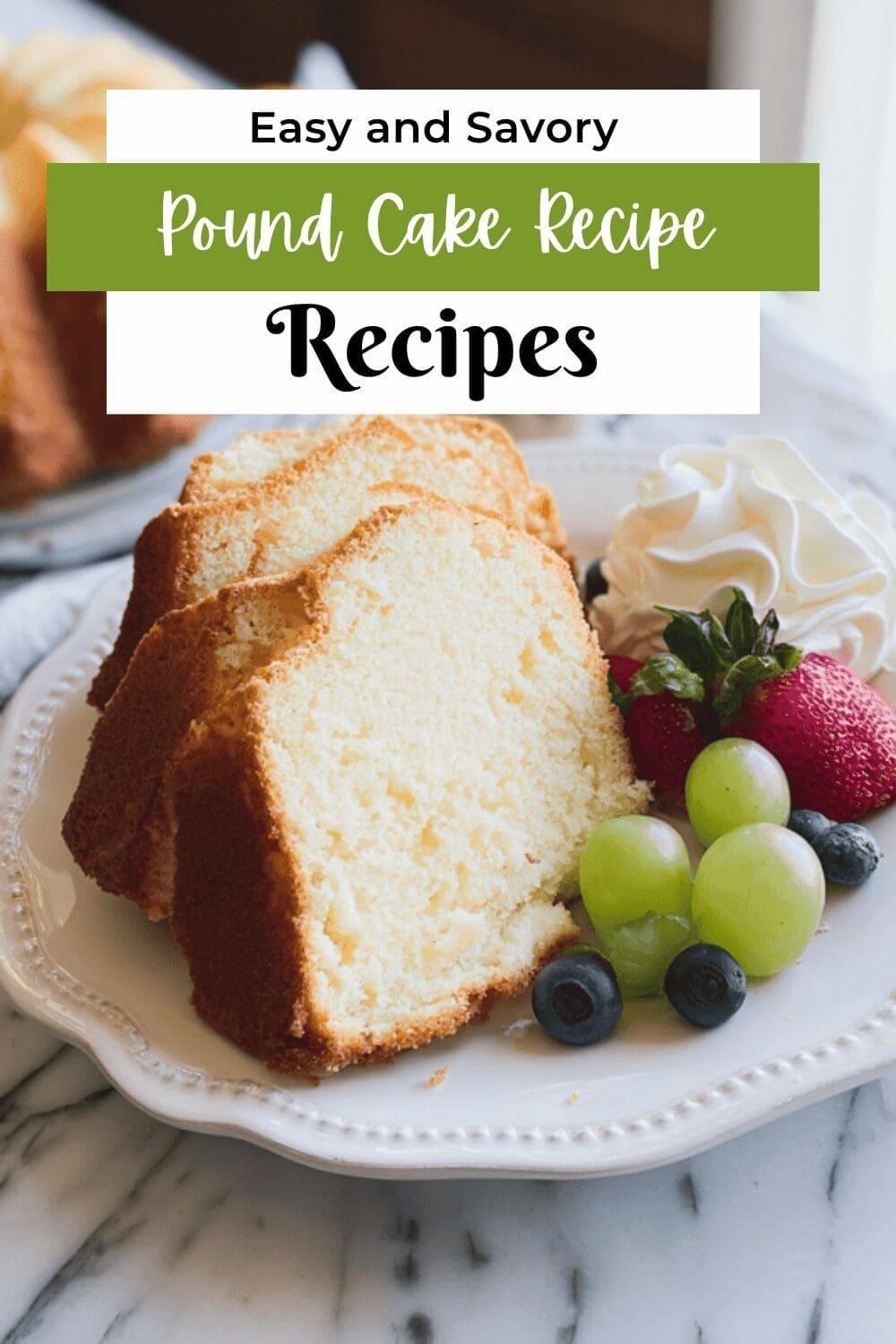
For flavor variations, try introducing almond extract or citrus zest to add a unique twist, or mix in fruit preserves for a swirled effect. You could also experiment with cocoa powder for a chocolate version, appealing to a wide range of tastes. When it comes to presentation, garnish with fresh berries or a light glaze to make your cake visually appealing and ready for sharing.
Make-ahead options include preparing the batter ahead and refrigerating it, or freezing the baked cake for later. These methods are ideal for working professionals who need quick desserts on hand. Remember, for more dessert ideas, check out our peach cobbler dump cake recipe.
How to Store Pound Cake Recipe: Best Practices
Proper storage keeps your pound cake fresh and tasty, extending its enjoyment beyond the first day. Following these practices helps maintain the moisture and flavor you worked hard to achieve. It’s simple advice that works for anyone from seniors to busy families.
- Store the cooled cake in an airtight container or wrapped tightly in plastic wrap to keep it moist for up to 5 days.
- Freeze the cake by wrapping it securely in plastic wrap and then foil, allowing it to last up to 3 months without quality loss.
- Gently warm slices in the microwave or oven to bring back that freshly baked feel when you’re ready to eat.
- Prepare ahead by baking and slicing the cake in advance for easy meal prep, making it convenient for your daily routine.
This method ensures your cake stays as good as new, perfect for meal planning with college students or travelers.
FAQs: Frequently Asked Questions About Pound Cake Recipe
How can I make my pound cake moist and tender?
To keep your pound cake moist, add sour cream or full-fat yogurt to the batter, which contributes moisture and a slight tang. Avoid overbaking by checking the cake a few minutes before the recipe’s suggested time. Use room temperature butter and eggs for better mixing, and wrap the cooled cake tightly to prevent it from drying out.
What are simple flavor variations I can try with a basic pound cake recipe?
You can easily change the flavor by swapping vanilla extract for almond or adding citrus zest like lemon or orange to the batter. Incorporating fresh or dried fruits, such as blueberries or cranberries, or sprinkling chopped nuts on top before baking adds texture and taste. These minor adjustments diversify your pound cake without altering the core recipe.
How do I store and freeze leftover pound cake to keep it fresh?
Store leftover pound cake in an airtight container or wrap it tightly in plastic wrap and foil to prevent drying. Refrigerated pound cake lasts up to five days. For longer storage, freeze whole cakes or individual slices wrapped in plastic and foil or a freezer-safe bag. Thaw frozen cake at room temperature for a few hours; avoid microwaving, which can dry out the texture.
Why is my pound cake dense or gummy inside?
A dense or gummy crumb often results from over-creaming butter and sugar, which traps excessive air that collapses during baking. Another reason is underbaking or using too much moisture. To prevent this, mix ingredients gently after creaming, bake until a skewer inserted comes out clean, and follow the recipe’s proportions closely.
What is the origin of the name “pound cake”?
Pound cake gets its name from the traditional recipe that calls for one pound each of butter, sugar, eggs, and flour. This straightforward ratio made the cake easy to remember and prepare before kitchen scales were common. Modern recipes often adjust these quantities but keep the name as a nod to its classic roots.

Pound Cake Recipe
🍰 Discover the delight of moist, classic pound cake made from scratch, perfect for any dessert lover.
🧁 This recipe offers a rich, buttery texture balanced with subtle vanilla and sour cream for extra tenderness.
- Total Time: 50 minutes
- Yield: 10-12 slices
Ingredients
– 4 eggs
– 1 cup unsalted butter (226g)
– 1 cup sugar (200g)
– 1½ cups all-purpose flour (180g)
– ½ cup sour cream (120mL), full-fat
– 1 teaspoon salt
– 2 tablespoons vanilla extract
– ½ teaspoon baking powder
Instructions
1-Preheating and Preparing the Pan: Begin by preheating the oven to 350°F and greasing and flouring a 9×5 inch loaf pan, which ensures the cake releases easily after baking. This step is crucial for even cooking and helps prevent sticking, making your final result look as good as it tastes. It’s a quick way to get started, taking just a minute or two.
2-Mixing the Batter: In a medium bowl, whisk together the flour, salt, and baking powder, then set it aside for later use. Next, in a mixer with a whisk attachment, cream the butter until it’s smooth, then add the sugar and mix until light and fluffy for about 2-3 minutes. Scrape down the bowl to make sure everything blends evenly, keeping the batter airy.
Add the eggs one at a time while mixing at medium speed, scraping the bowl as needed to incorporate them fully. Follow this by adding the sour cream and vanilla extract, mixing until just combined for a creamy texture. Finally, add the flour mixture and stir until everything is just blended, avoiding overmixing to keep the cake tender.
3-Baking and Cooling: Transfer the batter into the prepared pan and smooth the top with a spatula for an even bake. Bake for about 40 minutes or until a long wooden skewer inserted into the center comes out clean or with just a few crumbs, which signals it’s done. Let the cake cool in the pan for 10 minutes before moving it to a wire rack to cool completely, allowing flavors to settle. For accurate measuring tips, visit this guide on how to measure flour.
Last Step:
Please leave a rating and comment letting us know how you liked this recipe! This helps our business to thrive and continue providing free, high-quality recipes for you.Notes
🎂 Grease and flour pan or line with parchment paper for easy removal.
🕵️ Use a long wooden skewer to test doneness due to cake density.
👩🍳 Avoid overmixing batter to prevent toughness; measure flour accurately.
- Prep Time: 10 minutes
- undefined: undefined
- Cook Time: 40 minutes
- Category: Dessert
- Method: Baking
- Cuisine: American
- Diet: Not specified
Nutrition
- Serving Size: 1 slice
- Calories: 303
- Sugar: 17 grams
- Sodium: 225 mg
- Fat: 19 grams
- Saturated Fat: 11 grams
- Carbohydrates: 29 grams
- Fiber: 1 gram
- Protein: 4 grams
- Cholesterol: 100 mg


