

Why You’ll Love This Quinoa
Quinoa stands out as a versatile and nutritious seed derived from the herbaceous plant Chenopodium quinoa, which originates in the Andean region of South America. This makes it a complete protein source, containing all nine essential amino acids while offering high levels of essential minerals such as potassium and magnesium, ideal for vegetarian, vegan, and gluten-free diets. The ease of preparation lies in its quick cooking time, fitting seamlessly into busy schedules, as it can be ready in about 20-25 minutes with simple steps that require minimal effort.
Beyond its straightforward nature, quinoa provides significant health benefits, including boosting energy levels and supporting digestion through its rich protein and fiber content. Its gluten-free status and adaptability to various dietary needs make it a flexible choice for home cooks, busy parents, and health-conscious individuals alike. With colors like white, red, or black adding visual appeal, quinoa offers a nutty flavor that enhances meals without overpowering other ingredients, making it perfect for students, travelers, or seniors seeking quick, nourishing options.
Quinoa can be used in no-cook salads or assembly-style dishes that align with the blog’s focus on fresh, raw ingredients, proving that healthy eating doesn’t always need heat. For those exploring simple ways to add quinoa to meals like pasta alternatives, its benefits extend to improving overall wellness. Whether you’re a working professional or a college student, the benefits of quinoa make it an excellent addition to your routine, promoting sustained energy and dietary variety.
Jump to:
- Why You’ll Love This Quinoa
- Essential Ingredients for Quinoa
- How to Prepare the Perfect Quinoa: Step-by-Step Guide
- Dietary Substitutions to Customize Your Quinoa
- Mastering Quinoa: Advanced Tips and Variations
- Flavor Variations
- Pro Cooking Techniques
- How to Store Quinoa: Best Practices
- FAQs: Frequently Asked Questions About Quinoa
- What is quinoa and why is it considered healthy?
- How do I cook quinoa properly for the best texture?
- Can quinoa be grown outside of South America?
- Is quinoa safe and suitable for people with gluten allergies?
- What environmental challenges are associated with increased quinoa farming?
- Quinoa
- Ingredients
- Instructions
- Last Step:
- Notes
- Nutrition
- Did you make this recipe?
Essential Ingredients for Quinoa
Incorporating quinoa into your meals begins with selecting the right ingredients, which not only ensures the dish’s nutritional value but also its flavor profile. The seeds come in various colors, such as white, red, or black, and must be rinsed to remove the natural bitter coating called saponins before cooking. Here is a comprehensive list of the essential ingredients based on the recipe, formatted for clarity, including all specified measurements and quantities to help you prepare it accurately.
- 1 cup quinoa seeds (white, red, black, or mixed) – serving as the main grain for a protein-rich base
- 2 cups water or broth for cooking – used in the ratio of one part quinoa to two parts liquid to achieve the best texture
- 1 tablespoon olive oil – adds richness and aids in sautéing for enhanced flavor
- 1 garlic clove, minced – boosts aroma and taste in the preparation process
- 1/2 teaspoon salt – balances the overall taste of the dish
- 1/4 teaspoon black pepper – provides a mild heat to complement the nutty notes
- Optional flavorings: Salt, spices, or herbs (quantities not specified) – these can be added to taste for personalization
For special dietary options, quinoa remains naturally gluten-free, suitable for vegan diets using vegetable broth, or low-calorie versions by reducing oil. These ingredients align with quinoa benefits, allowing for easy adaptations in your kitchen.
How to Prepare the Perfect Quinoa: Step-by-Step Guide
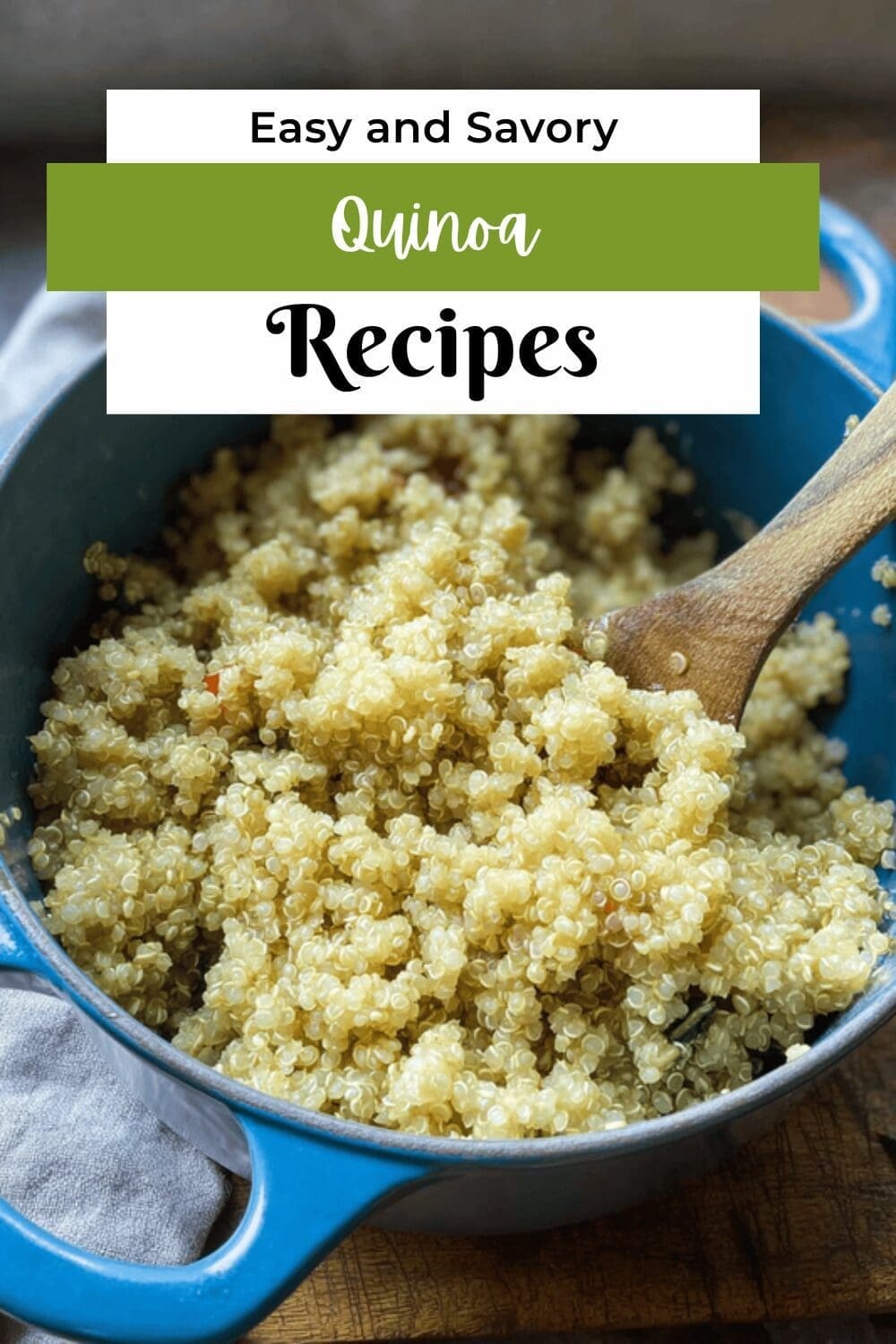
Preparing quinoa involves a few key steps that highlight its simple ways to add quinoa to meals, starting with rinsing to eliminate the saponin coating that can impart bitterness. The process uses a ratio of one part quinoa to two parts water or broth, making it accessible for home cooks and busy parents. Follow this guide to achieve tender, translucent seeds with a visible ring around each grain, ready in 20-25 minutes.
- First, rinse 1 cup of quinoa under cold water for 2-3 minutes to remove its natural coating.
- In a medium saucepan, heat 1 tablespoon olive oil over medium heat, then add 1 minced garlic clove and sauté until fragrant, about 1 minute.
- Add the rinsed quinoa to the saucepan and toast it lightly for 2 minutes to enhance its nutty flavor.
- Pour in 2 cups vegetable broth, along with 1/2 teaspoon salt and 1/4 teaspoon black pepper, then bring to a boil.
- Once boiling, reduce heat to low, cover the saucepan, and let it simmer for 15 minutes or until the liquid is absorbed.
- Remove from heat, keep covered, and let quinoa steam for an additional 5 minutes for optimal fluffiness.
- Fluff the quinoa with a fork, adjust seasoning as needed, and serve warm; for variations, substitute vegetable broth with water for a lighter option or add it to salads as suggested in quinoa benefits resources.
This method yields fluffy results, and for enhanced flavor, consider substituting water with broth as a best practice. The versatility of quinoa allows it to fit into no-cook or assembly-style dishes, making it ideal for travelers or newlyweds experimenting with quick recipes. To learn more about quinoa benefits, check out this resource on health benefits of quinoa, which provides deeper insights into its nutritional profile.

Dietary Substitutions to Customize Your Quinoa
Customizing quinoa allows for adaptations that cater to various needs, building on its status as a complete protein source with essential minerals like potassium and magnesium. Whether you’re addressing gluten-free requirements or seeking vegan options, these substitutions enhance the dish’s flexibility for diet-conscious individuals and food enthusiasts. Quinoa’s gluten-free nature makes it suitable for a wide audience, including those with celiac disease.
- Protein alternatives: Substitute cooked chickpeas or lentils for a plant-based boost, or use grilled chicken or shrimp for non-vegetarian options.
- Vegetable modifications: Replace ingredients like bell peppers with zucchini or spinach based on seasonal availability.
- Seasoning changes: Swap soy sauce with tamari for gluten-free profiles, or add fresh herbs like cilantro or parsley for varied tastes.
- Dressing options: Use lemon juice or balsamic vinegar as an alternative for a tangy twist, maintaining the dish’s low-calorie appeal.
These changes ensure quinoa remains adaptable, supporting its role in balanced diets for working professionals or seniors. By incorporating these, you can explore simple ways to add quinoa to meals while preserving its nutritional value.
Mastering Quinoa: Advanced Tips and Variations
To master quinoa, begin by rinsing it thoroughly to remove saponins and prevent any bitter taste, a step that is crucial for achieving a clean flavor. Toasting the seeds lightly before cooking enhances their nutty profile, reducing overall preparation time if soaked beforehand. Experimenting with flavors like curry powder or smoked paprika can transform quinoa into diverse dishes, making it a staple for baking enthusiasts and apartment dwellers.
For meal prep, prepare quinoa in advance and store it for up to 4 days, allowing busy parents and college students to portion it easily. Presentation tips include garnishing with herbs and a drizzle of olive oil for visual appeal, while variations might involve adding fresh ginger for a spicy note. Quinoa’s adaptability to well-drained soils and various climates underscores its global cultivation, contributing to food security and agricultural diversity, as seen in its expansion beyond South America.
Quinoa is versatile and can be incorporated into salads, soups, or breakfast bowls, offering a nutrient-dense option that aligns with health-focused lifestyles.
Additionally, for those seeking creative soup ideas that include quinoa, this approach adds texture and nutrition to your recipes.
Flavor Variations
Explore flavor variations by adding spices like fresh ginger or smoked paprika to create unique tastes, enhancing quinoa’s nutty base.
Pro Cooking Techniques
Advanced techniques include soaking quinoa overnight to cut cooking time, ensuring even tenderness and better absorption of flavors.
How to Store Quinoa: Best Practices
Proper storage of quinoa maintains its freshness and nutritional integrity, with cooked quinoa lasting up to 4 days when refrigerated. Freezing offers longer preservation for up to 3 months, making it convenient for batch cooking and meal prep. Always cool quinoa completely before storing to avoid moisture buildup, which can affect its texture.
For reheating, use a stovetop or microwave with a splash of water to retain moisture, ensuring it remains fluffy for various uses. Quinoa’s adaptability extends to storage in cool, dry places for uncooked seeds, supporting its role in sustainable diets for families and individuals alike. These practices align with tips for reducing cooking time and enhancing flavor, as quinoa is cultivated worldwide for its contributions to nutrition.
FAQs: Frequently Asked Questions About Quinoa
What is quinoa and why is it considered healthy?
Quinoa is a seed from the plant species in the Amaranthaceae family, often used like a grain in cooking. It is rich in protein, containing all nine essential amino acids, making it a complete protein source. Quinoa also provides dietary fiber, B vitamins, and minerals such as magnesium, potassium, and manganese. Its gluten-free nature makes it suitable for those with gluten intolerance or celiac disease.
How do I cook quinoa properly for the best texture?
To cook quinoa, rinse the seeds thoroughly to remove bitter saponins. Use a ratio of 1 cup quinoa to 2 cups water or broth. Bring to a boil, then reduce heat and simmer covered for 15 minutes until the water is absorbed. Let it sit off the heat for 5 minutes, then fluff with a fork. This method yields fluffy, tender quinoa ideal for salads, side dishes, or bowls.
Can quinoa be grown outside of South America?
Yes, quinoa cultivation has expanded beyond the Andes to countries like the United States, Canada, India, and parts of Europe. It thrives in diverse climates, especially cooler environments and well-drained soils. While traditionally hand-harvested due to uneven maturity, some varieties bred for uniformity allow mechanical harvesting in commercial farms.
Is quinoa safe and suitable for people with gluten allergies?
Quinoa is gluten-free and safe for individuals with celiac disease or gluten sensitivity. It offers a nutritious alternative to grains containing gluten, providing high protein and fiber without triggering allergic reactions related to gluten. Always check packaging for potential cross-contamination if you have severe allergies.
What environmental challenges are associated with increased quinoa farming?
Rising global demand has led to intensified quinoa farming in the Andes, causing soil degradation and loss of biodiversity from monoculture practices. Climate change also affects growing conditions, resulting in unstable yields. Sustainable farming techniques and crop diversification are being encouraged to mitigate these environmental impacts and support local communities.

Quinoa
🌱 Quinoa is a nutrient-dense, gluten-free seed that provides a complete protein source with all nine essential amino acids.
🍽️ Versatile and easy to prepare, quinoa can be added to salads, soups, breakfast bowls, or served as a hearty side dish to boost nutrition.
- Total Time: 20-25 minutes (plus optional soaking)
- Yield: 3 cups cooked quinoa from 1 cup dry quinoa 1x
Ingredients
1 cup quinoa seeds (white, red, black, or mixed) serving as the main grain for a protein-rich base
2 cups water or broth for cooking used in the ratio of one part quinoa to two parts liquid to achieve the best texture
1 tablespoon olive oil adds richness and aids in sautéing for enhanced flavor
1 garlic clove, minced boosts aroma and taste in the preparation process
1/2 teaspoon salt balances the overall taste of the dish
1/4 teaspoon black pepper provides a mild heat to complement the nutty notes
Salt, spices, or herbs added to taste for personalization
Instructions
1-First, rinse 1 cup of quinoa under cold water for 2-3 minutes to remove its natural coating.
2-In a medium saucepan, heat 1 tablespoon olive oil over medium heat, then add 1 minced garlic clove and sauté until fragrant, about 1 minute.
3-Add the rinsed quinoa to the saucepan and toast it lightly for 2 minutes to enhance its nutty flavor.
4-Pour in 2 cups vegetable broth, along with 1/2 teaspoon salt and 1/4 teaspoon black pepper, then bring to a boil.
5-Once boiling, reduce heat to low, cover the saucepan, and let it simmer for 15 minutes or until the liquid is absorbed.
6-Remove from heat, keep covered, and let quinoa steam for an additional 5 minutes for optimal fluffiness.
7-Fluff the quinoa with a fork, adjust seasoning as needed, and serve warm; for variations, substitute vegetable broth with water for a lighter option or add it to salads as suggested in quinoa benefits resources.
Last Step:
Please leave a rating and comment letting us know how you liked this recipe! This helps our business to thrive and continue providing free, high-quality recipes for you.Notes
💧 Rinse quinoa well to get rid of the bitter saponin coating.
🍲 Use broth instead of water to add extra flavor.
⏳ Soaking the quinoa beforehand or toasting seeds can reduce cooking time and boost taste.
- Prep Time: 5 minutes
- Soaking time (optional): 2-4 hours or overnight
- Cook Time: 15-20 minutes
- Category: Side Dish
- Method: Boiling/Simmering
- Cuisine: Global
- Diet: Gluten-Free, Vegan, Vegetarian
Nutrition
- Serving Size: 1/2 cup cooked quinoa
- Calories: 120 kcal
- Sugar: 0.9 g
- Sodium: 5 mg
- Fat: 1.92 g
- Saturated Fat: 0.23 g
- Unsaturated Fat: 1.69 g
- Trans Fat: 0 g
- Carbohydrates: 21.3 g
- Fiber: 2.8 g
- Protein: 4.4 g
- Cholesterol: 0 mg


