

Why You’ll Love This Roasted Spring Vegetables
Roasted spring vegetables bring the fresh flavors of the season right to your table, and this recipe makes it easier than ever. First, its simplicity stands out with just a few steps and everyday ingredients, perfect for anyone short on time. You can have a nutritious side ready in under an hour, which is great for busy parents or working professionals looking for quick meal ideas.
Health-wise, roasted spring vegetables pack a punch with vitamins and minerals that support your body’s needs. For instance, they’re loaded with nutrients like vitamin C and fiber, helping you feel energized and satisfied. This makes it ideal for diet-conscious individuals who want meals that align with their goals without skimping on taste.
- Ease of preparation: With only 10 minutes of prep and 35 minutes of cooking, this recipe is straightforward and requires minimal tools, making it accessible for students or apartment dwellers. You simply chop, season, and roast, so even beginners can create something impressive without stress.
- Health benefits: Each serving offers about 162 calories and key nutrients like 5 grams of protein and 5 grams of fiber, promoting digestion and overall wellness. It’s a smart choice for those focused on balanced eating, as the veggies retain their natural goodness through simple roasting.
- Versatility: Adapt this dish for various diets, such as vegan or gluten-free options, and pair it with proteins like chicken for a full meal. Whether you’re a food enthusiast experimenting with flavors or seniors seeking simple nutrition, it fits many lifestyles.
- Distinctive flavor: The combination of roasted potatoes, cauliflower, and asparagus with lemon slices creates a bright, caramelized taste that feels fresh and exciting. This roasted spring vegetables recipe highlights seasonal produce, adding a fun twist to everyday meals that keeps everyone coming back for more.
Overall, roasted spring vegetables not only save time but also deliver a burst of flavors that make healthy eating enjoyable. This approach turns ordinary veggies into a standout dish, perfect for family dinners or gatherings. By focusing on fresh ingredients, you’ll discover how easy it is to enjoy the benefits of seasonal cooking year-round.
Jump to:
- Why You’ll Love This Roasted Spring Vegetables
- Essential Ingredients for Roasted Spring Vegetables
- Main Ingredients
- Special Dietary Options
- How to Prepare the Perfect Roasted Spring Vegetables: Step-by-Step Guide
- First Step: Preheat and Prepare
- Second Step: Arrange and Season
- Third Step: Initial Roasting
- Fourth Step: Add and Continue Roasting
- Final Step: Garnish and Serve
- Dietary Substitutions to Customize Your Roasted Spring Vegetables
- Protein and Main Component Alternatives
- Vegetable, Sauce, and Seasoning Modifications
- Mastering Roasted Spring Vegetables: Advanced Tips and Variations
- How to Store Roasted Spring Vegetables: Best Practices
- FAQs: Frequently Asked Questions About Roasted Spring Vegetables
- What vegetables work best for roasted spring vegetables?
- How do you roast spring vegetables step by step?
- How do you store and reheat roasted spring vegetables?
- Can you add protein like chicken to roasted spring vegetables?
- How can you adapt roasted spring vegetables for other seasons?
- Roasted Spring Vegetables
- Ingredients
- Instructions
- Last Step:
- Notes
- Nutrition
- Did you make this recipe?
Essential Ingredients for Roasted Spring Vegetables
Selecting the right ingredients is key to making delicious roasted spring vegetables. This section breaks down everything you need, ensuring your dish turns out flavorful and nutritious. We’ll cover the main ingredients with their precise measurements and a bit about why they work so well.
Main Ingredients
- 1 1/2 pounds new potatoes, quartered – These provide a hearty base and absorb flavors beautifully, adding a satisfying texture to your roasted spring vegetables.
- 4 cups cauliflower florets – Cauliflower offers a mild, nutty taste and soaks up seasonings, making it a versatile choice for roasted spring vegetables that boosts the nutritional value.
- 2 large leeks (about 1 1/2 cups chopped), cut into half moons – Leeks bring a subtle onion flavor that enhances the overall dish, helping to create depth in your roasted spring vegetables without overpowering other tastes.
- 1 to 2 tablespoons avocado oil or olive oil – This amount ensures even roasting and adds healthy fats, keeping your roasted spring vegetables moist and flavorful.
- Sea salt to taste – Just the right amount seasons the vegetables perfectly, enhancing their natural flavors in this roasted spring vegetables recipe.
- Black pepper to taste – A dash adds a bit of spice and warmth, complementing the freshness of the roasted spring vegetables.
- 1 pound asparagus, ends trimmed and cut into 2-inch pieces – Asparagus adds a crisp, green element that’s quick to cook, asparagus benefits include vitamins that brighten up your roasted spring vegetables.
- 1 lemon, thinly sliced – The lemon infuses a fresh, citrusy note that elevates the taste, making your roasted spring vegetables feel light and vibrant.
- Optional: chopped fresh herbs such as Italian parsley, fresh dill, spring onions, or fresh thyme – These add a burst of aroma and color, allowing you to customize your roasted spring vegetables with extra flavor if desired.
Special Dietary Options
For those with specific needs, this recipe adapts easily. It’s naturally vegan since all ingredients are plant-based, so no substitutes are needed. For gluten-free diets, everything here is gluten-free by default, as there are no grains involved. If you’re watching calories, opt for just 1 tablespoon of oil and focus on the veggies to keep it light while still enjoying roasted spring vegetables.
How to Prepare the Perfect Roasted Spring Vegetables: Step-by-Step Guide
Getting started with roasted spring vegetables is simple and rewarding. Begin by gathering your ingredients and preheating your oven, which sets the stage for success. This guide walks you through each step to ensure your dish comes out just right, with tips for timing and adaptations along the way.
First Step: Preheat and Prepare
Start by preheating the oven to 425º F and lining a baking tray with parchment paper. This helps prevent sticking and makes cleanup easy, ensuring your roasted spring vegetables roast evenly. Take a moment to wash and chop your ingredients, like quartering the potatoes and cutting the leeks, to get everything ready for roasting.
Second Step: Arrange and Season
Next, arrange the quartered potatoes, cauliflower florets, and chopped leeks in a single layer on the tray. Drizzle them with 1 to 2 tablespoons of avocado or olive oil, then season generously with sea salt and black pepper. This step builds the base flavors, allowing the roasted spring vegetables to develop a delicious caramelized edge as they cook.
Third Step: Initial Roasting
Roast the vegetables for 25 minutes, giving them time to soften and brown. Halfway through, you can stir them for even cooking, which helps achieve that perfect texture in your roasted spring vegetables. This phase focuses on the denser veggies, making sure they get tender without burning.
Fourth Step: Add and Continue Roasting
After the first 25 minutes, add the asparagus pieces, toss everything together to mix the flavors, and top with thinly sliced lemon. Return to the oven for an additional 10 minutes, letting the quicker-cooking veggies join in. For variations, you could add other quick-cooking options like broccoli here, adapting for dietary preferences while keeping your roasted spring vegetables vibrant.
Final Step: Garnish and Serve
Once done, remove from the oven and garnish with chopped fresh herbs if you like. Serve hot as a side with proteins or on its own for a nutritious meal, with a total prep time of 10 minutes and cooking of 35 minutes. This roasted spring vegetables recipe is versatile, so feel free to pair it with easy chicken spaghetti for a heartier option.
To make this even more adaptable, consider the preparation time: it all adds up to 45 minutes, ideal for busy schedules. If you’re experimenting with flavors, the lemon slices will infuse a fresh taste, enhancing the nutritional profile with vitamins from the veggies. This method keeps things simple yet effective for home cooks of all levels.

Dietary Substitutions to Customize Your Roasted Spring Vegetables
Protein and Main Component Alternatives
If you want to boost protein in your roasted spring vegetables, swap in options like tofu or chickpeas for a vegetarian twist. For instance, add marinated chicken chunks to the slow-cooking veggies, ensuring even cooking by using a separate pan if needed. These changes keep the dish adaptable for different tastes and needs.
Vegetable, Sauce, and Seasoning Modifications
Switch up the veggies based on what’s in season; try broccoli or snap peas instead of asparagus for a fresh variation. For sauces, use a light herb mix if you’re cutting oil, and experiment with seasonings like garlic for added depth. This way, your roasted spring vegetables can fit various dietary restrictions while staying delicious.
Mastering Roasted Spring Vegetables: Advanced Tips and Variations
To elevate your skills with roasted spring vegetables, focus on key techniques that make a difference. For better results, cut vegetables into even sizes to ensure uniform cooking, and don’t overcrowd the pan for that perfect golden finish. Experimenting with flavors can turn this into a go-to recipe for any occasion.
- Pro cooking techniques: Use high heat like 425º F to caramelize the edges, and stir midway for even browning on your roasted spring vegetables.
- Flavor variations: Try a fall version with sweet potatoes and Brussels sprouts, adding broccoli at the end for a seasonal twist.
- Presentation tips: Garnish with fresh herbs for visual appeal, making your roasted spring vegetables look as good as they taste.
- Make-ahead options: Prep veggies in advance and store them, then roast when needed to fit into busy routines.
How to Store Roasted Spring Vegetables: Best Practices
Proper storage keeps your roasted spring vegetables fresh and tasty. Start with refrigeration for short-term needs, placing cooled veggies in an airtight container. This method helps maintain their flavor for up to 5 days, making meal prep straightforward.
- Refrigeration: Cool the vegetables first, then store in the fridge to keep them crisp and ready for quick meals.
- Freezing: For longer storage, freeze in bags for 2-3 months, thawing as needed without losing much quality.
- Reheating: Reheat at 425º F for 10-15 minutes to restore crunch, avoiding the microwave to prevent sogginess.
- Meal prep considerations: Portion into containers for easy grab-and-go options, integrating into daily routines seamlessly.
FAQs: Frequently Asked Questions About Roasted Spring Vegetables
What vegetables work best for roasted spring vegetables?
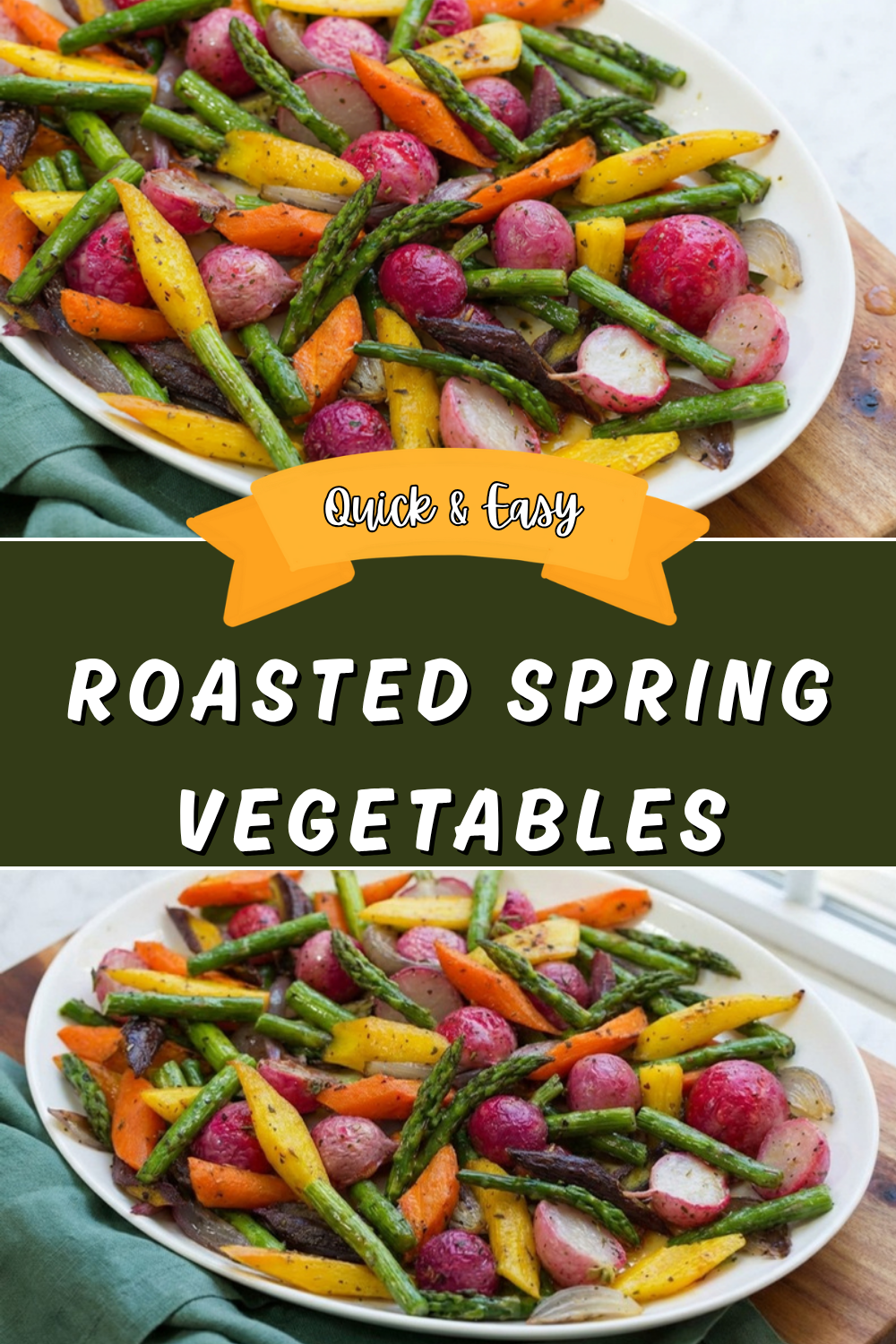
Spring offers fresh, tender veggies perfect for roasting. Start with denser ones like carrots, radishes, turnips, potatoes, sweet potatoes, beets, cauliflower, and leeks—roast them first at 425°F for 25-35 minutes. Add quicker-cooking options such as asparagus, broccoli, broccolini, snap peas, snow peas, or Swiss chard in the last 10-15 minutes to avoid overcooking. Toss everything in olive oil, salt, pepper, and garlic before roasting on a parchment-lined sheet pan. Cut veggies into even 1-2 inch pieces for uniform cooking. This mix creates a colorful, flavorful medley with caramelized edges. Aim for 1-2 pounds total for 4 servings. Experiment with what’s at your local market for the best taste and texture. (98 words)
How do you roast spring vegetables step by step?
Preheat oven to 425°F. Chop 1-2 pounds of spring veggies into 1-2 inch pieces: denser ones like carrots, potatoes, radishes first; quicker ones like asparagus later. Toss denser veggies with 2-3 tbsp olive oil, 1 tsp salt, ½ tsp pepper, and minced garlic on a parchment-lined sheet pan. Roast 25-35 minutes, stirring halfway. Add quick-cook veggies tossed in oil, plus lemon slices for brightness, and roast another 10-15 minutes until tender and golden. Shake the pan occasionally for even browning. Total time: 40-50 minutes. Serve hot as a side. No parboiling needed—roasting brings out natural sweetness. (112 words)
How do you store and reheat roasted spring vegetables?
Let roasted spring vegetables cool completely to room temperature, then transfer to an airtight container. Store in the fridge for up to 5 days or freeze for 2-3 months in freezer bags. To reheat, preheat oven to 425°F, spread on a parchment-lined baking sheet, and heat 10-15 minutes, stirring once, until hot and crispy. Avoid microwave to prevent sogginess—oven revives the texture best. For meal prep, portion into single servings. Reheated veggies work great in salads, wraps, or grain bowls. Always check for freshness before eating; discard if they smell off or show mold. (102 words)
Can you add protein like chicken to roasted spring vegetables?
Yes, make it a full meal by adding 1-1.5 lbs boneless chicken breast or thighs, cut into chunks. Marinate chicken 4 hours or overnight in olive oil, lemon juice, garlic, salt, and herbs. Place denser veggies and chicken on the sheet pan first, roast at 425°F for 25 minutes. Add quick-cook veggies and continue for 10-15 more minutes until chicken reaches 165°F internally and veggies are tender. Use two pans if crowded for even cooking. This one-pan method saves time and cleanup. For vegetarian, swap with tofu or chickpeas. Serves 4 with balanced nutrition. (108 words)
How can you adapt roasted spring vegetables for other seasons?
Swap spring veggies for seasonal picks while keeping the method: roast denser roots first at 425°F for 25-35 minutes, add tender greens last 10-15 minutes. Summer: zucchini, bell peppers, eggplant, corn. Fall: Brussels sprouts, sweet potatoes, butternut squash, red onions—top with pomegranate seeds. Winter: parsnips, cabbage, fennel. Toss with 2-3 tbsp oil, salt, pepper, and herbs each time. Lemon slices brighten any version. This flexibility uses what’s fresh and affordable at markets, reducing waste. Pair with grains or protein for complete meals. Track cooking times based on veggie density for perfect results every season. (104 words)
Roasted Spring Vegetables
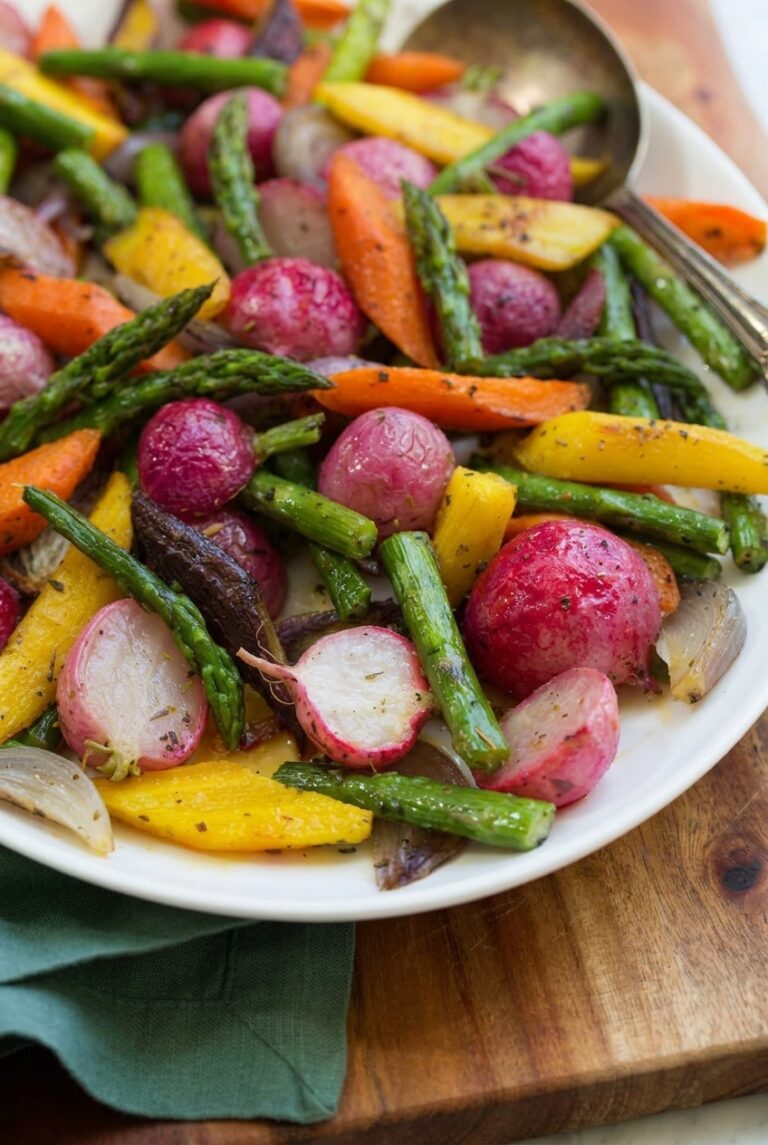
🌱 Embrace the fresh, vibrant essence of spring with roasted vegetables that burst with natural flavors, providing a nutritious boost packed with vitamins and fiber for healthier meals.
🥔 This easy recipe transforms seasonal produce into a colorful side dish that’s perfect for any dinner table, offering a delicious way to incorporate more veggies into your diet effortlessly.
- Total Time: 45 minutes
- Yield: 6 servings
Ingredients
– 1 1/2 pounds new potatoes, quartered
– 4 cups cauliflower florets
– 2 large leeks (about 1 1/2 cups chopped), cut into half moons
– 1 to 2 tablespoons avocado oil or olive oil
– Sea salt to taste
– Black pepper to taste
– 1 pound asparagus, ends trimmed and cut into 2-inch pieces
– 1 lemon, thinly sliced
– Optional: chopped fresh herbs such as Italian parsley, fresh dill, spring onions, or fresh thyme
Instructions
1-First Step: Preheat and Prepare Start by preheating the oven to 425º F and lining a baking tray with parchment paper. This helps prevent sticking and makes cleanup easy, ensuring your roasted spring vegetables roast evenly. Take a moment to wash and chop your ingredients, like quartering the potatoes and cutting the leeks, to get everything ready for roasting.
2-Second Step: Arrange and Season Next, arrange the quartered potatoes, cauliflower florets, and chopped leeks in a single layer on the tray. Drizzle them with 1 to 2 tablespoons of avocado or olive oil, then season generously with sea salt and black pepper. This step builds the base flavors, allowing the roasted spring vegetables to develop a delicious caramelized edge as they cook.
3-Third Step: Initial Roasting Roast the vegetables for 25 minutes, giving them time to soften and brown. Halfway through, you can stir them for even cooking, which helps achieve that perfect texture in your roasted spring vegetables. This phase focuses on the denser veggies, making sure they get tender without burning.
4-Fourth Step: Add and Continue Roasting After the first 25 minutes, add the asparagus pieces, toss everything together to mix the flavors, and top with thinly sliced lemon. Return to the oven for an additional 10 minutes, letting the quicker-cooking veggies join in. For variations, you could add other quick-cooking options like broccoli here, adapting for dietary preferences while keeping your roasted spring vegetables vibrant.
5-Final Step: Garnish and Serve Once done, remove from the oven and garnish with chopped fresh herbs if you like. Serve hot as a side with proteins or on its own for a nutritious meal, with a total prep time of 10 minutes and cooking of 35 minutes. This roasted spring vegetables recipe is versatile, so feel free to pair it with easy chicken spaghetti for a heartier option.
Last Step:
Please leave a rating and comment letting us know how you liked this recipe! This helps our business to thrive and continue providing free, high-quality recipes for you.Notes
🕒 Customize by adding your favorite slow-cooking veggies like carrots or beets in the first roasting step for variety.
🍋 The roasted lemon slices add a bright, sweet citrus note that enhances the overall flavor profile.
🔄 Store leftovers in an airtight container in the fridge for up to 5 days and reheat at 425°F for 10-15 minutes to restore crispness.
- Prep Time: 10 minutes
- Cook Time: 35 minutes
- Category: Side Dish
- Method: Roasting
- Cuisine: American
- Diet: Vegan
Nutrition
- Serving Size: 1 1/2 cups
- Calories: 162 kcal
- Sugar: 3 g
- Sodium: 41 mg
- Fat: 3 g
- Saturated Fat: 0.5 g
- Unsaturated Fat: 2.5 g
- Trans Fat: 0 g
- Carbohydrates: 31 g
- Fiber: 5 g
- Protein: 5 g
- Cholesterol: 0 mg