
Why You’ll Love This Rose Latte
I’m absolutely in love with this rose latte recipe, and once you try it, I think you will be too! There’s something magical about the delicate floral notes combined with creamy milk that creates such a comforting experience. Here are just a few reasons why this recipe has become one of my favorites:
- Ease of preparation: This simple rose latte comes together in just 5 minutes with minimal equipment. Whether you’re a seasoned barista or a complete beginner, you’ll find the instructions straightforward and foolproof. No fancy coffee machine required!
- Health benefits: Unlike sugar-laden coffee shop beverages, this homemade rose latte uses natural sweeteners like maple syrup and offers nutritional benefits. Depending on your milk choice, it can be a good source of calcium, vitamins, and minerals. Plus, rose water is known for its calming properties and potential antioxidant benefits.
- Versatility: This recipe adapts beautifully to your dietary needs and preferences. It’s easily made vegan, dairy-free, or lower in sugar. You can enjoy it hot on chilly mornings or iced during warm weather, making it perfect year-round.
- Distinctive flavor: The rose latte offers a unique taste experience that stands apart from typical coffee shop offerings. The gentle floral notes create an aromatic, sophisticated flavor that’s both indulgent and refreshing.
If you’re looking to expand your horizons beyond traditional coffee drinks, this rose latte recipe is a perfect place to start. It brings a touch of elegance to your morning routine or afternoon break without requiring any complicated techniques.
Jump to:
- Why You’ll Love This Rose Latte
- Essential Ingredients for Rose Latte
- Special Dietary Options
- Vegan
- Gluten-Free
- Low-Calorie
- Nutritional Information
- How to Prepare the Perfect Rose Latte: Step-by-Step Guide
- Hot Rose Latte Method
- Iced Rose Latte Method
- Cold Foam Variation
- Dietary Substitutions to Customize Your Rose Latte
- Protein and Main Component Alternatives
- Vegetable, Sauce, and Seasoning Modifications
- Mastering Rose Latte: Advanced Tips and Variations
- Pro Cooking Techniques
- Flavor Variations
- Presentation Tips
- Make-Ahead Options
- How to Store Rose Latte: Best Practices
- Refrigeration
- Freezing
- Reheating
- Meal Prep Considerations
- FAQs: Frequently Asked Questions About Rose Latte
- What does a rose latte taste like?
- How is rose water used in a rose latte?
- Can I make a rose latte with coffee or espresso?
- Where can I buy rose water suitable for lattes?
- Is rose latte a good choice for people sensitive to caffeine?
- rose latte
- Ingredients
- Instructions
- Last Step:
- Notes
- Nutrition
- Did you make this recipe?
Essential Ingredients for Rose Latte
Creating the perfect rose latte starts with gathering the right ingredients. Here’s everything you’ll need:
- 1½ cups milk of choice (oat, almond, or soy milk recommended)
- 2 teaspoons rose water
- ½ teaspoon vanilla extract
- 2-3 teaspoons maple syrup (adjust to taste)
- Optional: ¼ teaspoon beet powder for pink color
- Optional: ½ teaspoon ground ginger
- Optional garnish: Dried or fresh rose petals
- Optional: 1 shot espresso (for coffee latte)
As with all the recipes on this blog, this rose latte requires minimal cooking and no baking. The gentle heating of milk is the only “cooking” involved, making it perfect for days when you want to avoid turning on your stove or oven.
Each ingredient plays a special role in creating the perfect rose latte. The milk provides the creamy base, while rose water delivers that signature floral flavor that makes this drink so unique. A touch of vanilla extract adds depth and rounds out the flavor profile, and maple syrup provides natural sweetness without overpowering the delicate rose notes.
Special Dietary Options
Vegan
This recipe is naturally vegan when using plant-based milk options. Oat, almond, soy, or coconut milk all work beautifully depending on your taste preferences and desired creaminess level.
Gluten-Free
All ingredients in this rose latte recipe are naturally gluten-free. Just check that your rose water is pure and doesn’t contain any additives that might contain gluten.
Low-Calorie
For a lighter version, use unsweetened almond milk and reduce the maple syrup to 1 teaspoon or substitute with zero-calorie sweeteners like stevia. You can also skip the optional beet powder and garnishes to save additional calories.
Nutritional Information
One of the reasons I love this rose latte recipe is its relatively balanced nutritional profile. Here’s the breakdown for one serving (based on the primary recipe without optional additions):
| Nutrient | Amount> |
|---|---|
| Calories | 173 kcal |
| Carbohydrates | 24.6g |
| Protein | 8g |
| Fat | 4.3g |
| Saturated Fat | 0.5g |
| Sodium | 282mg |
| Potassium | 320mg |
| Fiber | 1.5g |
| Sugar | 18g |
| Calcium | 71mg |
| Iron | 2mg |
Keep in mind that these values will vary based on your milk choice and any optional ingredients you add. For example, using almond milk will generally result in lower calories and carbohydrates compared to oat milk, while soy milk typically provides more protein.
How to Prepare the Perfect Rose Latte: Step-by-Step Guide
Learning how to make rose latte at home is incredibly simple. I’ll walk you through both hot and iced versions so you can enjoy this delightful beverage year-round. The entire process takes just 5 minutes from start to finish!
If you want to learn more about the culinary uses of flowers, this guide to edible flowers offers excellent information on safe and delicious options.
Hot Rose Latte Method
There’s nothing quite like a warm, fragrant rose latte on a cozy morning. Here’s how to make one:
- Blend your ingredients: Add milk, rose water, vanilla extract, maple syrup, beet powder (if using for that lovely pink color), and ground ginger (if you want a little spice) to a blender. Blend for just 10-15 seconds until well combined. If you don’t have a blender, you can also whisk thoroughly in a bowl until the mixture is smooth.
- Gently heat the mixture: Pour your blended mixture into a small saucepan. Warm it gently over low heat until it reaches your perfect drinking temperature, being careful not to boil it as this might affect the delicate rose flavor. As an alternative, you can heat the mixture directly in the saucepan over medium heat, whisking continuously until it becomes warm and frothy, nearly reaching a simmer.
- Adjust to your taste: Taste the mixture and add extra maple syrup or other sweetener if desired. Remember that rose water is quite potent, so if the floral flavor is too strong, you can add a bit more milk to balance it out.
- Add espresso (optional): If you’re making a caffeinated version, pour a shot of espresso into your mug first, then add the warm rose milk mixture on top.
- Create the perfect foam: For that coffee shop-quality foam, set aside about ½ cup of milk before blending. After warming it, froth this reserved milk separately and pour it over your latte. Oat and soy milk typically produce the best foam, but other plant milks can work with the right technique.
- Add the finishing touches: Garnish with beautiful dried or fresh rose petals if you want to make your rose latte as lovely to look at as it is to drink.
Iced Rose Latte Method
When the weather turns warm, an iced rose latte is the perfect refreshing treat:
- Blend all ingredients: Just as with the hot version, add milk, rose water, vanilla extract, maple syrup, beet powder (if using), and ground ginger (if desired) to a blender. Blend for 10-15 seconds until fully combined.
- Pour over ice: Immediately pour the blended mixture over a glass filled with ice. The contrast between the creamy rose latte and the cold ice is simply delightful.
- Taste and adjust: Give your iced latte a stir and taste it. If needed, add extra sweetener, keeping in mind that very cold temperatures sometimes make flavors less pronounced.
- Add coffee (optional): If you’re making a coffee version, you can add a shot of espresso directly to the glass before pouring in the rose milk mixture, or stir it in afterward.
- Garnish and serve: Finish with a sprinkle of dried rose petals or other garnishes of your choice.
Cold Foam Variation
For an extra luxurious iced rose latte experience, try this cold foam topping:
- Prepare the foam: Whisk heavy cream and rose syrup (start with ½ oz, adjusting to taste) in a pitcher until thick, cold foam forms. This usually takes 2-3 minutes of vigorous whisking, or you can use a milk frother for easier preparation.
- Top your latte: Once your iced latte is prepared in a glass with ice (and optional espresso), simply spoon the beautiful cold foam over the top. The rose-infused foam not only looks impressive but adds an extra layer of creamy texture and flavor.
Pro tip: For the best experience with any of these methods, use high-quality rose water that’s specifically meant for culinary use. The quality of this ingredient really makes or breaks your rose latte!

Dietary Substitutions to Customize Your Rose Latte
One of the things I love most about this rose latte recipe is how easily it adapts to different dietary needs and preferences. Let’s explore some ways you can customize this drink to suit your specific requirements or taste preferences.
If you’re interested in exploring more unique beverages, check out our collection of refreshing no-cook drinks that are perfect for hot weather days.
Protein and Main Component Alternatives
If you’re looking to boost the protein content of your rose latte, consider these options:
- For extra protein, use soy milk instead of almond or oat milk. Soy naturally contains more protein and creates a wonderfully creamy texture.
- Add a scoop of unflavored or vanilla protein powder to your blender with the other ingredients. This works particularly well in the blended version of the recipe.
- Stir in a tablespoon of collagen peptides, which dissolve easily in warm liquids without affecting the flavor profile of your drink.
- For a creamy boost without dairy, try adding a tablespoon of cashew butter or almond butter when blending. This adds richness, protein, and healthy fats.
For those with nut allergies who still want plant-based options, rice milk or pea milk make excellent alternatives. They may be less creamy than nut-based options but still deliver a delicious result when properly prepared.
Vegetable, Sauce, and Seasoning Modifications
While not traditional, adding certain ingredients can create interesting variations of your rose milk tea:
- For an earthy flavor twist, try adding a small piece of steamed and blended beet root instead of beet powder. This will give you natural coloring and additional nutrients.
- Experiment with different sweeteners like date syrup, honey, or agave nectar instead of maple syrup. Each brings its own flavor profile and sweetness level.
- Seasoning variations can include warming spices like cinnamon, cardamom, or nutmeg. Just a pinch of these spices complements the rose beautifully.
- For a chocolate-rose combination, stir in a teaspoon of high-quality cocoa powder or cacao with your other ingredients. This creates a decadent treat reminiscent of Rose Turkish Delight.
Remember that when modifying your rose latte recipe, it’s best to start with small amounts of new ingredients and taste as you go. The delicate flavor of rose can be easily overwhelmed by stronger ingredients, so balance is key.
Mastering Rose Latte: Advanced Tips and Variations
For those interested in the art of latte making, these home barista techniques can help you perfect your milk steaming and pouring skills.
Once you’ve mastered the basic rose latte recipe, you might want to experiment with more advanced techniques and variations. These tips will help you take your rose latte game to the next level!
Pro Cooking Techniques
Creating a truly exceptional rose latte involves a few professional techniques that make all the difference:
- Proper milk steaming: For hot lattes, aim to heat your milk to between 150-155°F (65-68°C). Using a kitchen thermometer helps you achieve this perfect temperature every time. At this range, the milk is hot enough to enhance flavors but not so hot that it scalds or loses sweetness.
- Layering technique: When making a layered rose latte (especially if adding espresso), pour the warmed rose milk mixture slowly over the back of a spoon. This creates distinct layers that look beautiful and provide a varied taste experience with each sip.
- Rose infusion: For an even more intense rose flavor, try infusing your milk with dried rose petals before adding other ingredients. Simply heat the milk with a tablespoon of dried petals, let it steep for 10 minutes, then strain before proceeding with the recipe.
Flavor Variations
The basic rose latte recipe is wonderfully versatile. Here are some flavor variations to try:
- Cardamom Rose: Add ¼ teaspoon of freshly ground cardamom along with your other ingredients. This Middle Eastern-inspired combination is aromatic and sophisticated.
- Rose White Chocolate: Stir in a small piece of high-quality white chocolate as you heat your milk. The creamy sweetness pairs beautifully with rose.
- Matcha Rose: Replace beet powder with ½ teaspoon of ceremonial grade matcha powder for a vibrant green latte with earthy notes that complement the floral rose flavor.
- Rose Chai: Add spices commonly found in chai tea like cinnamon, cloves, and black pepper along with a black tea bag or chai concentrate for a spiced rose milk tea experience.
Presentation Tips
They say we eat (and drink) with our eyes first. Make your rose latte visually stunning with these presentation tips:
- Create a pale pink ombré effect by adding a small amount of beet powder to only half the milk mixture, then gently layer the two shades.
- Use edible flowers like rose petals or lavender sprigs as garnish. Always ensure they’re organic and safe for consumption.
- Lightly dust the top with a combination of dried rose powder and edible gold dust for a luxurious finish.
Make-Ahead Options
For busy mornings, you can prep elements of your rose latte in advance:
- Mix a larger batch of the rose milk base (without heating) and store it in an airtight container in the refrigerator for up to 3 days.
- Prepare rose ice cubes by freezing rose water in ice trays. Use these instead of regular ice for iced lattes to prevent dilution as they melt.
- Create a rose syrup by simmering equal parts water and sugar with rose water until slightly thickened. This can be stored for weeks and used to quickly flavor milk for instant rose lattes.
How to Store Rose Latte: Best Practices
While rose latte is best enjoyed fresh, there may be times when you want to prepare components in advance or store leftovers. Here’s my guide to keeping your rose latte tasting its best:
Refrigeration
If you’ve made extra rose latte mixture, you can store it in an airtight container in the refrigerator for up to 3 days. The flavor may actually develop more depth during this time as the ingredients meld together. However, if you’ve added espresso to your latte, the flavor may become more bitter over time. For best results, store the rose milk mixture separately and add fresh espresso just before serving.
Freezing
While freezing a complete rose latte isn’t recommended (milk can separate and change texture upon thawing), you can freeze certain components. The rose milk base freezes well in ice cube trays. These frozen cubes can later be blended with fresh milk to create a delicious frozen rose latte or simply used in place of ice in iced versions to prevent dilution.
Reheating
When reheating your stored rose latte mixture, gentle heat is key. Warm it slowly on the stove over low heat, stirring frequently, until it reaches your desired temperature. Avoid boiling, as this can damage the delicate flavors and cause the milk to separate. If you have a milk frother, use it after heating to restore some of the creamy texture.
Meal Prep Considerations
For efficient morning routines, consider these meal prep strategies:
- Pre-mix dry ingredients like beet powder, spices, and powdered sweeteners in small containers.
- Prepare a concentrated rose syrup by simmering rose water with sweetener. This can be stored longer and diluted with milk when ready to use.
- Portion out rose petals and other garnishes in small containers for quick finishing touches.
Remember that the key to a great stored and reheated rose latte is maintaining its delicate flavor balance and creamy texture. While it may not be exactly the same as freshly made, proper storage and reheating techniques will ensure your rose latte remains delicious even when prepared in advance.
FAQs: Frequently Asked Questions About Rose Latte
What does a rose latte taste like?
A rose latte has a gentle, floral flavor combined with creamy milk and a mild sweetness. The rose notes add a distinctive aromatic quality that many describe as soothing and fragrant, making it a comforting hot drink. The balance between the floral essence and the creamy texture creates a smooth, relaxing beverage ideal for those who enjoy subtle, aromatic flavors.
How is rose water used in a rose latte?
Rose water is the key ingredient that gives a rose latte its signature floral taste. It is typically added to steamed milk and sweetened with sugar or honey before pouring it into a cup. The rose water used in the latte is made from distilled rose petals, giving it a natural fragrance. Using about one to two teaspoons per cup usually provides the right floral intensity without overpowering the drink.
Can I make a rose latte with coffee or espresso?
Yes, you can add coffee or a shot of espresso to create a rose coffee latte. To do this, prepare the espresso shot first, then add steamed milk infused with rose water. Adjust the milk quantity to maintain the right balance and avoid an overly diluted taste. This combination blends the floral aroma of rose with the rich bitterness of coffee, offering a unique twist for coffee lovers.
Where can I buy rose water suitable for lattes?
Rose water intended for culinary use is available at many grocery stores, including Middle Eastern, Indian, and specialty food markets. You can also find it online through retailers that sell natural or organic cooking ingredients. When buying, ensure it is labeled as food-grade rose water, as some varieties are meant only for cosmetic or aromatic purposes and may contain additives.
Is rose latte a good choice for people sensitive to caffeine?
Rose latte can be a caffeine-free option if made without coffee or tea. Using just steamed milk and rose water creates a calming, caffeine-free beverage perfect for those avoiding stimulants. However, if you add espresso or black tea, the caffeine content will increase. Always check the ingredients or ask the café barista if you want to avoid caffeine completely.
rose latte
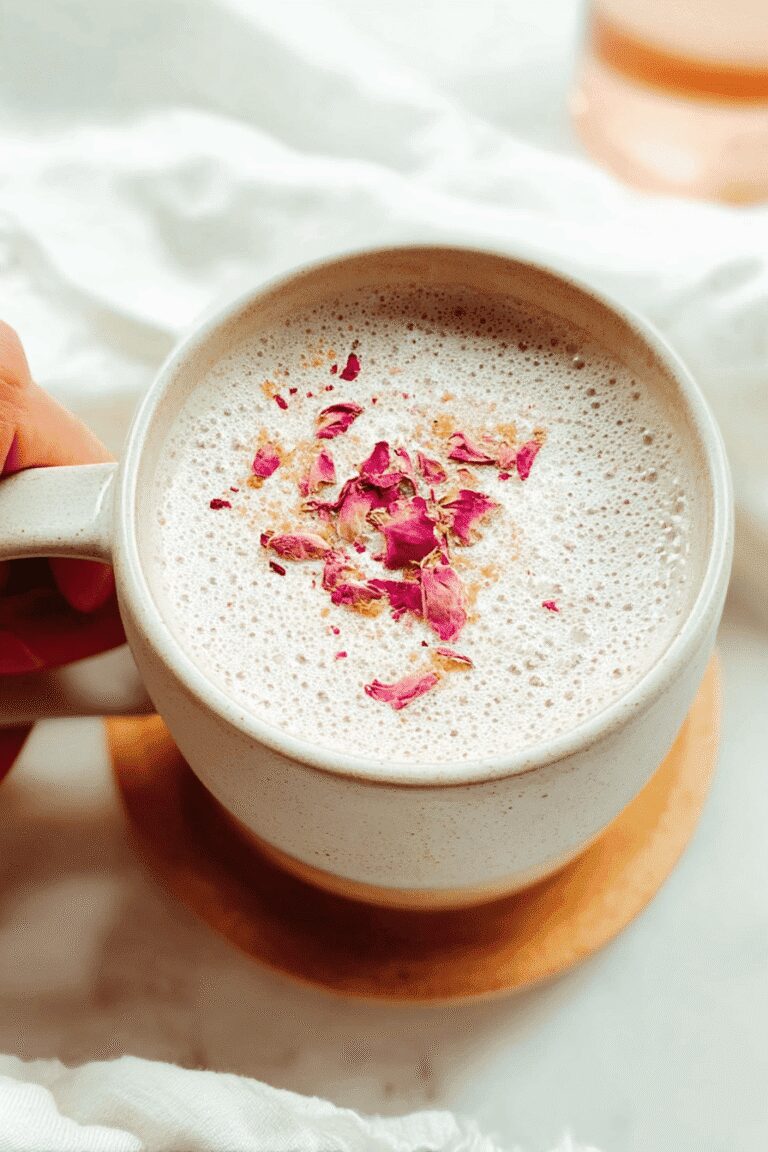
🌹 Exquisite floral latte that envelops your senses with delicate rose essence and smooth vanilla notes for a truly luxurious beverage experience
🧊 Versatile recipe that transforms effortlessly from a comforting hot latte to a refreshing iced drink, perfect for any season or craving
- Total Time: 5 minutes
- Yield: 1 serving
Ingredients
– 1½ cups milk of choice (oat, almond, or soy milk recommended)
– 2 teaspoons rose water
– ½ teaspoon vanilla extract
– 2-3 teaspoons maple syrup (adjust to taste)
– ¼ teaspoon beet powder for pink color
– ½ teaspoon ground ginger
– Dried or fresh rose petals for garnish
– 1 shot espresso for coffee latte
Instructions
1-Blend your ingredients: Add milk, rose water, vanilla extract, maple syrup, beet powder (if using for that lovely pink color), and ground ginger (if you want a little spice) to a blender. Blend for just 10-15 seconds until well combined. If you don’t have a blender, you can also whisk thoroughly in a bowl until the mixture is smooth.
2-Gently heat the mixture: Pour your blended mixture into a small saucepan. Warm it gently over low heat until it reaches your perfect drinking temperature, being careful not to boil it as this might affect the delicate rose flavor. As an alternative, you can heat the mixture directly in the saucepan over medium heat, whisking continuously until it becomes warm and frothy, nearly reaching a simmer.
3-Adjust to your taste: Taste the mixture and add extra maple syrup or other sweetener if desired. Remember that rose water is quite potent, so if the floral flavor is too strong, you can add a bit more milk to balance it out.
4-Add espresso (optional): If you’re making a caffeinated version, pour a shot of espresso into your mug first, then add the warm rose milk mixture on top.
5-Create the perfect foam: For that coffee shop-quality foam, set aside about ½ cup of milk before blending. After warming it, froth this reserved milk separately and pour it over your latte. Oat and soy milk typically produce the best foam, but other plant milks can work with the right technique.
6-Add the finishing touches: Garnish with beautiful dried or fresh rose petals if you want to make your rose latte as lovely to look at as it is to drink.
7-Blend all ingredients: Just as with the hot version, add milk, rose water, vanilla extract, maple syrup, beet powder (if using), and ground ginger (if desired) to a blender. Blend for 10-15 seconds until fully combined.
8-Pour over ice: Immediately pour the blended mixture over a glass filled with ice. The contrast between the creamy rose latte and the cold ice is simply delightful.
9-Taste and adjust: Give your iced latte a stir and taste it. If needed, add extra sweetener, keeping in mind that very cold temperatures sometimes make flavors less pronounced.
10-Add coffee (optional): If you’re making a coffee version, you can add a shot of espresso directly to the glass before pouring in the rose milk mixture, or stir it in afterward.
11-Garnish and serve: Finish with a sprinkle of dried rose petals or other garnishes of your choice.
12-Prepare the foam: Whisk heavy cream and rose syrup (start with ½ oz, adjusting to taste) in a pitcher until thick, cold foam forms. This usually takes 2-3 minutes of vigorous whisking, or you can use a milk frother for easier preparation.
13-Top your latte: Once your iced latte is prepared in a glass with ice (and optional espresso), simply spoon the beautiful cold foam over the top. The rose-infused foam not only looks impressive but adds an extra layer of creamy texture and flavor.
Last Step:
Please leave a rating and comment letting us know how you liked this recipe! This helps our business to thrive and continue providing free, high-quality recipes for you.Notes
🌸 Rose water is potent – start with 2 teaspoons and add more gradually to avoid overwhelming the drink with floral flavor
🥛 For the best froth in hot versions, use oat or soy milk as they create the creamiest foam, while almond milk works beautifully for iced versions
🌿 For an alternative to rose water, steep dried rose petals in warm milk for 5-10 minutes before adding other ingredients for a more subtle rose infusion
- Prep Time: 5 minutes
- Cook Time: 0 minutes
- Category: Beverages
- Method: Blending and Heating
- Cuisine: International/Middle Eastern
- Diet: Vegetarian/Vegan (depending on milk choice)
Nutrition
- Serving Size: 1 cup (8 oz)
- Calories: 173
- Sugar: 18
- Sodium: 282
- Fat: 4.3
- Saturated Fat: 0.5
- Unsaturated Fat: 3.8
- Trans Fat: 0
- Carbohydrates: 24.6
- Fiber: 1.5
- Protein: 8
- Cholesterol: 0