

Why You’ll Love This Sinigang
If you are craving a warm bowl of Sinigang, this filipino sinigang recipe brings together tangy tamarind broth, tender pork belly, and plenty of vegetables in one comforting pot. It is the kind of sour soup that feels right at home on rainy days, busy weeknights, or anytime you want a meal with real depth and a big cozy payoff. With just 10 minutes of prep and about 1 hour of cooking, it fits nicely into a family dinner plan without a lot of fuss.
- Easy to make: This sinigang recipe follows simple simmering steps, so you can build flavor without complicated techniques.
- Good for everyday meals: Pork belly, vegetables, and tamarind broth give you a hearty bowl with protein, fiber, and lots of natural flavor.
- Flexible: You can swap vegetables or adjust the protein based on what you have at home.
- Big flavor: The tart broth, fish sauce, and fresh vegetables create the classic taste people expect from tamarind soup.
Ease of preparation
This is one of those dishes that looks impressive but is simple once you break it down. You boil the tamarind, strain the broth, then simmer everything in stages so each ingredient has time to do its job. That makes easy authentic sinigang a smart choice for home cooks who want a homemade meal with very little stress.
Health benefits
Even though this version uses pork belly, it still brings a mix of vegetables like water spinach, string beans, okra, eggplant, and daikon radish. Those add fiber, vitamins, and a fresh taste that balances the rich broth. The nutrition facts for the full recipe are listed below so you can plan portions with ease.
Versatility
This authentic filipino sinigang recipe can be adjusted for different tastes. If you want a lighter bowl, use less pork fat or add more greens. If you need a different protein, you can swap in shrimp, fish, or even a plant-based option and still keep the sour broth style.
Distinctive flavor
The best part of traditional sinigang na baboy is the balance of sour, savory, and slightly sweet notes from the tomatoes and vegetables. I always add a bit more fish sauce to my sinigang for that extra salty kick, just like I remember from family dinners growing up.
The sour broth is what makes sinigang special. Once you get that bright tamarind taste right, the rest of the dish falls into place.
Jump to:
- Why You’ll Love This Sinigang
- Ease of preparation
- Health benefits
- Versatility
- Distinctive flavor
- Essential Ingredients for Sinigang
- Main ingredients
- Special dietary options
- How to Prepare the Perfect Sinigang: Step-by-Step Guide
- First step: Make the tamarind broth
- Second step: Start the soup base
- Third step: Skim and simmer until tender
- Fourth step: Add the firmer vegetables
- Fifth step: Add the remaining vegetables
- Sixth step: Finish with water spinach stems and seasoning
- Final step: Add the leaves and serve
- Dietary Substitutions to Customize Your Sinigang
- Protein and main component alternatives
- Vegetable, sauce, and seasoning modifications
- Mastering Sinigang: Advanced Tips and Variations
- Pro cooking techniques
- Flavor variations
- Presentation tips
- Make-ahead options
- How to Store Sinigang: Best Practices
- Refrigeration
- Freezing
- Reheating
- Meal prep considerations
- FAQs: Frequently Asked Questions About Sinigang
- What is sinigang?
- What fruits make sinigang sour?
- Where does sinigang originate from?
- Is sinigang the national dish of the Philippines?
- What pairs well with sinigang and substitutes for kangkong?
- Sinigang
- Ingredients
- Instructions
- Last Step:
- Notes
- Nutrition
- Did you make this recipe?
Essential Ingredients for Sinigang
These are the exact sinigang ingredients you need for this version. Keep the measurements close so the broth stays balanced and the pork turns out tender.
Main ingredients
- 2 pounds pork belly – gives the soup its rich, tender, hearty base.
- 1 pound young tamarind – provides the classic sour taste in the broth.
- 1 bunch water spinach, chopped – adds freshness and the signature leafy finish.
- 8 pieces string beans, cut into 2-inch pieces – bring a crisp bite and color.
- 2 pieces Chinese eggplant, sliced – soften beautifully and soak up flavor.
- 1 piece daikon radish, sliced – adds mild sweetness and texture.
- 8 pieces okra – give the soup a fresh, earthy note.
- 2 pieces tomatoes, sliced into wedges – help build the savory broth base.
- 2 pieces long green pepper, sliced into wedges – add mild heat and aroma.
- 1 piece onion, sliced – deepens the flavor early in the cooking process.
- 2 quarts water – becomes the base for the tamarind broth.
- Fish sauce to taste – seasons the soup with salty depth.
- Ground black pepper to taste – adds a gentle warm finish.
Special dietary options
- Vegan: Replace pork belly with tofu, mushrooms, or jackfruit, then use vegetable broth and a vegan fish sauce substitute.
- Gluten-free: This recipe is naturally gluten-free if your fish sauce is certified gluten-free.
- Low-calorie: Use lean pork, reduce the pork portion, or switch to fish and add extra vegetables.
| Ingredient | Role in the dish | Easy swap |
|---|---|---|
| Pork belly | Rich, tender meat | Pork shoulder, shrimp, fish, tofu |
| Young tamarind | Sour broth base | Tamarind paste, green mango, guava |
| Water spinach | Leafy green finish | Spinach, watercress, bok choy |
| Fish sauce | Salty depth | Salt plus a little soy sauce |
How to Prepare the Perfect Sinigang: Step-by-Step Guide
Before you begin, gather all your vegetables, slice the pork, and set out a large pot. This recipe uses a staged cooking method, which helps the broth stay clear and lets each ingredient cook at the right time. The total time is about 10 minutes of prep and 1 hour of cooking.
First step: Make the tamarind broth
Put 1 pound young tamarind and 2 quarts water in a pot. Bring it to a boil and cook for 40 minutes. This long simmer pulls out the sour flavor and gives you the base for a real filipino sour soup recipe. After cooking, strain the liquid and discard the solids, keeping only the broth.
Second step: Start the soup base
Pour the tamarind broth into a clean pot. Add 1 sliced onion, 2 pounds pork belly, and half of the 2 sliced tomatoes. Bring the pot to a boil over medium-high heat. The onion and tomato begin building the flavor right away, while the pork starts releasing richness into the broth.
Third step: Skim and simmer until tender
As the broth boils, skim off any scum that rises to the top. This keeps the soup cleaner and better looking. Add 1 tablespoon fish sauce, cover the pot, and lower the heat to a gentle simmer. Cook for 1 hour, or until the pork is tender. If the broth reduces too much, add a small splash of water to keep the soup at the right consistency.
Fourth step: Add the firmer vegetables
Once the pork is soft, add 1 sliced daikon radish and 2 sliced Chinese eggplants. Let them cook for 5 minutes. These vegetables need a little more time than the leafy greens, but not as much as the pork. You want them tender without falling apart.
Fifth step: Add the remaining vegetables
Next, add 2 long green peppers sliced into wedges, 8 string beans cut into 2-inch pieces, the remaining tomatoes, and 8 okra. Cook for 3 minutes. At this point, the pot should smell bright, savory, and a little tangy. The vegetables should still have some color and a light bite.
Sixth step: Finish with water spinach stems and seasoning
Add the chopped water spinach stalks first, then season with more fish sauce and ground black pepper to taste. Cook for 2 minutes. The stems need a short cook so they stay tender but do not turn mushy. Taste the broth and adjust the sourness or saltiness if needed.
Final step: Add the leaves and serve
Add the water spinach leaves, cover the pot, and turn off the heat. Let the residual heat cook the leaves for about 3 minutes. Serve hot with steamed rice. The final bowl should be deeply savory, lightly tart, and packed with tender pork and vegetables.
For the best texture, do not rush the vegetable stages. Each layer of the cooking process helps the broth taste balanced and fresh.

Dietary Substitutions to Customize Your Sinigang
Protein and main component alternatives
If you want a different version of this sinigang recipe, you have plenty of options. Pork shoulder works well if you want something a little leaner than pork belly but still tender and flavorful. Beef short ribs also fit the style of this sour soup, though they may need a longer simmer. For seafood lovers, shrimp or fish gives you a lighter bowl with a cleaner taste. If you need a meatless version, use tofu, mushrooms, or a mix of both for a plant-based bowl that still feels hearty.
Vegetable, sauce, and seasoning modifications
You can also change the vegetables based on what is in season. Spinach, bok choy, or watercress can stand in for water spinach. If you cannot find young tamarind, tamarind paste works well, and green mango or guava can give the broth a bright sour edge. For the seasoning, use less fish sauce if you prefer a softer flavor, or add a little extra if you want a deeper savory punch. That kind of flexibility is what makes easy authentic sinigang so practical for home cooks.
Mastering Sinigang: Advanced Tips and Variations
Pro cooking techniques
Pick high-quality pork belly or pork shoulder so the meat stays juicy after simmering. Add the onion and tomato early because they build the broth from the very start. If you skim the foam well during boiling, your soup will look cleaner and taste smoother. When cooking the vegetables, always add the firmer ones first and the leafy greens last. That keeps the texture lively instead of soft and dull.
Flavor variations
You can make the broth sharper by adding a little more tamarind, or rounder by adding extra tomato. Some cooks like a stronger fish sauce note, while others prefer a gentler salt level. If you want a more filling bowl, add more daikon or string beans. If you like heat, serve it with sliced chilies on the side. This style of traditional sinigang na baboy can shift a little without losing its identity.
Presentation tips
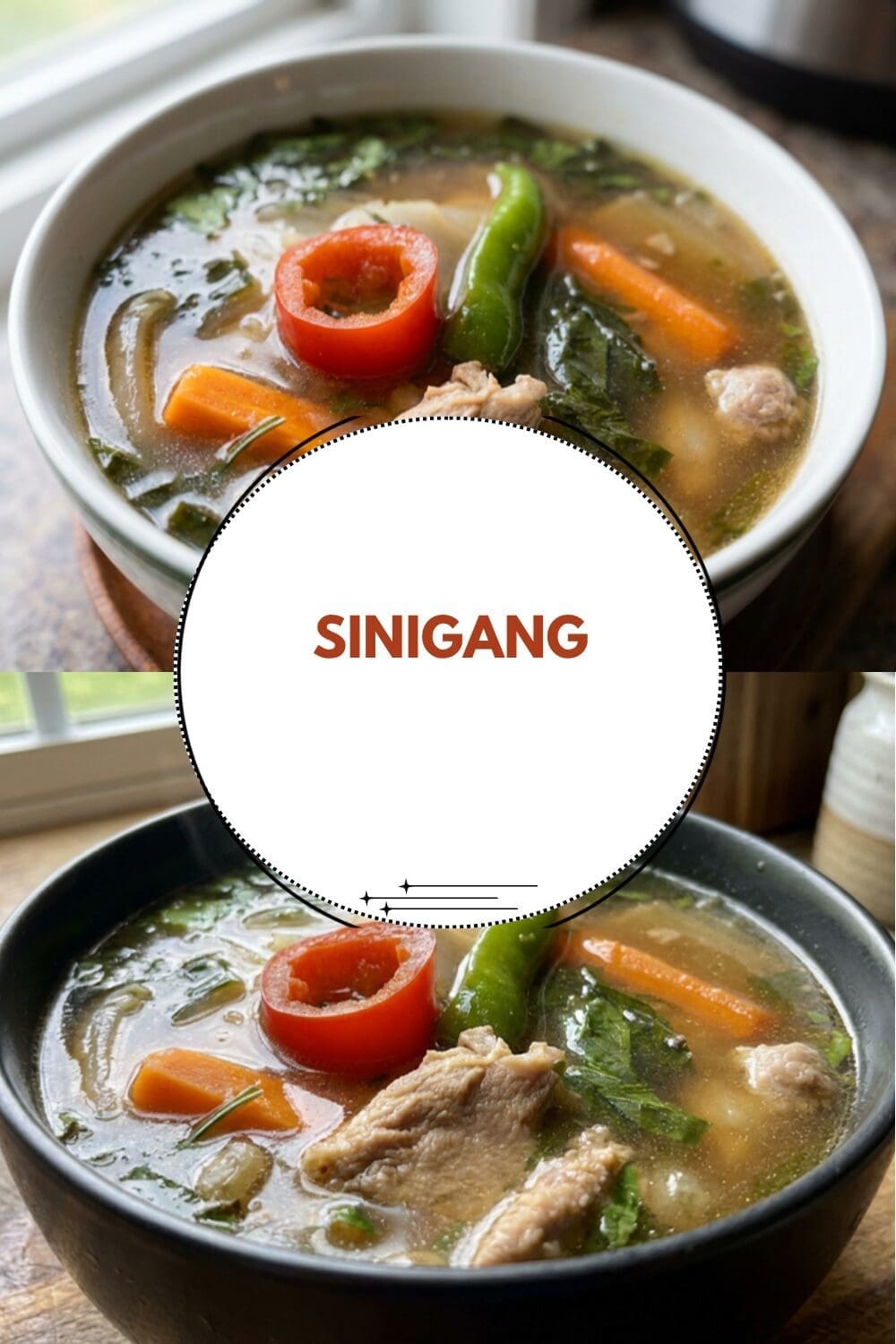
Serve sinigang in a deep bowl with a mix of pork, greens, eggplant, okra, and bright tomatoes visible on top. A plain white bowl makes the colors pop. Finish with a sprinkle of black pepper and a small dish of fish sauce on the side for dipping. A bowl of warm rice next to the soup makes the whole meal feel complete.
Make-ahead options
If your schedule is packed, you can make the tamarind broth and prep the vegetables ahead of time. Store the broth and meat separately if you want the best texture. For a slow cooker version, cook the pork, onion, tomato, and tamarind broth first, then add the greens near the end so they stay fresh and bright.
How to Store Sinigang: Best Practices
Refrigeration
Cool the soup before storing it in airtight containers. Keep it in the fridge for up to 3 to 4 days. If possible, store the broth and vegetables together, but if you plan ahead, keeping the greens separate can help them stay nicer.
Freezing
Sinigang freezes fairly well, especially the broth and pork. Place cooled portions in freezer-safe containers and leave a little space at the top for expansion. For the best texture, freeze the soup without the leafy greens if you can. Add fresh water spinach or spinach after reheating.
Reheating
Warm the soup gently on the stove over medium-low heat until hot. If the broth seems too strong after chilling, add a splash of water. Reheat only the portion you plan to eat, since repeated heating can make the vegetables too soft.
Meal prep considerations
This dish is great for batch cooking because the flavor gets deeper after a day in the fridge. Pack it with rice in separate containers for easy lunches. If you make a double batch, keep the greens and broth apart until serving day so the vegetables keep their color and bite.
FAQs: Frequently Asked Questions About Sinigang
What is sinigang?
Sinigang is a popular Filipino soup or stew known for its sour and savory flavor profile. It features tender meat like pork or beef, or seafood such as shrimp or fish, simmered with vegetables including kangkong (water spinach), eggplant, okra, string beans, and tomatoes. The signature sour taste comes from natural souring agents like tamarind. This one-pot dish cooks quickly, often ready in under an hour, and serves 4-6 people. It’s hearty, comforting, and a staple in Filipino homes, especially during rainy days. For a basic pork sinigang recipe, start with 1 lb pork ribs, 1 packet tamarind mix, and chopped veggies—simmer until tender. Nutrition-wise, a serving offers about 250 calories, high protein, and vitamin C from veggies. Pair it with steamed rice for a complete meal. (98 words)
What fruits make sinigang sour?
Common fruits used to sour sinigang include unripe tamarind (the most traditional, packed with tartaric acid for tangy flavor), green mango, guava, pineapple, bilimbi, and santol (cotton fruit). Tamarind pods or powder dissolve easily into the broth for consistent sourness. To use fresh tamarind, boil 1/2 cup pods in water, mash, and strain—adjust to taste to avoid overpowering the dish. Green mango slices add a fresh zing, while pineapple brings subtle sweetness. Experiment based on availability: start mild and add more for bolder sourness. These natural options keep sinigang authentic and healthier than artificial mixes. Pro tip: Taste midway through cooking and balance with salt or fish sauce. (112 words)
Where does sinigang originate from?
Sinigang hails from the Philippines, derived from the Tagalog word “sinigang,” meaning “to stew” or “cook in sour broth.” It’s a native dish prepared across regions, with variations like pork sinigang in Luzon or seafood versions in Visayas. Pork sinigang stands out as a household favorite. Historical roots trace to pre-colonial cooking methods using local sour fruits. Today, it’s enjoyed nationwide and by Filipino communities worldwide. A 2021 social media poll by food sites ranked it among top Filipino dishes, reflecting its enduring appeal. Make your own by sourcing fresh ingredients from Asian markets—it’s simple and captures that nostalgic taste. Link to regional recipes for more ideas. (104 words)
Is sinigang the national dish of the Philippines?
Sinigang is not officially declared the national dish of the Philippines, which has no single mandated one. However, it’s widely regarded as an unofficial favorite, often polling highest in public surveys—like a 2017 Facebook poll where it beat adobo and lechon. Its everyday popularity, versatility, and representation of sour-salty Filipino flavors fuel this status. Adobo remains a strong contender for its meaty profile. Enjoy sinigang anytime; it’s budget-friendly at under $10 for a family pot. Address concerns about authenticity by using real tamarind over mixes. For comparisons, check our adobo guide. This dish embodies Pinoy comfort food perfectly. (102 words)
What pairs well with sinigang and substitutes for kangkong?
Sinigang pairs best with steamed white rice to soak up the flavorful broth, plus a dipping sauce of patis (fish sauce) mixed with fresh calamansi juice, crushed Thai chilies, and onions for heat and tang. Add crispy daing na bangus (salted fried milkfish) or tuyo (dried salted fish) as a crunchy side. For kangkong substitutes, use spinach, watercress, bok choy, or baby kale—they wilt similarly and maintain texture. Swap in equal amounts; spinach cooks fastest. This keeps the dish veggie-packed and nutritious. Common objection: “Too watery?” Thicken with more tamarind or potatoes. Serves 4; prep in 10 minutes, cook 40. See our full pairing recipes. (118 words)

Sinigang
🍲 Authentic sinigang Filipino sour soup—tender pork belly in zesty tamarind broth brims with veggies for vitamin-rich, comforting nourishment.
🥬 One-pot wonder: fresh greens, radish, eggplant deliver fiber and flavor in 70 minutes, ideal family staple.
- Total Time: 1 hour 10 minutes
- Yield: 6 servings
Ingredients
– 2 pounds pork belly for rich, tender, hearty base
– 1 pound young tamarind for classic sour taste
– 1 bunch water spinach, chopped for freshness and signature leafy finish
– 8 pieces string beans, cut into 2-inch pieces for crisp bite and color
– 2 pieces Chinese eggplant, sliced for softening and soaking up flavor
– 1 piece daikon radish, sliced for mild sweetness and texture
– 8 pieces okra for fresh, earthy note
– 2 pieces tomatoes, sliced into wedges for savory broth base
– 2 pieces long green pepper, sliced into wedges for mild heat and aroma
– 1 piece onion, sliced for deepening the flavor
– 2 quarts water for tamarind broth base
– Fish sauce to taste for salty depth
– Ground black pepper to taste for gentle warm finish
Instructions
1-First step: Make the tamarind broth Put 1 pound young tamarind and 2 quarts water in a pot. Bring it to a boil and cook for 40 minutes. This long simmer pulls out the sour flavor and gives you the base for a real filipino sour soup recipe. After cooking, strain the liquid and discard the solids, keeping only the broth.
2-Second step: Start the soup base Pour the tamarind broth into a clean pot. Add 1 sliced onion, 2 pounds pork belly, and half of the 2 sliced tomatoes. Bring the pot to a boil over medium-high heat. The onion and tomato begin building the flavor right away, while the pork starts releasing richness into the broth.
3-Third step: Skim and simmer until tender As the broth boils, skim off any scum that rises to the top. This keeps the soup cleaner and better looking. Add 1 tablespoon fish sauce, cover the pot, and lower the heat to a gentle simmer. Cook for 1 hour, or until the pork is tender. If the broth reduces too much, add a small splash of water to keep the soup at the right consistency.
4-Fourth step: Add the firmer vegetables Once the pork is soft, add 1 sliced daikon radish and 2 sliced Chinese eggplants. Let them cook for 5 minutes. These vegetables need a little more time than the leafy greens, but not as much as the pork. You want them tender without falling apart.
5-Fifth step: Add the remaining vegetables Next, add 2 long green peppers sliced into wedges, 8 string beans cut into 2-inch pieces, the remaining tomatoes, and 8 okra. Cook for 3 minutes. At this point, the pot should smell bright, savory, and a little tangy. The vegetables should still have some color and a light bite.
6-Sixth step: Finish with water spinach stems and seasoning Add the chopped water spinach stalks first, then season with more fish sauce and ground black pepper to taste. Cook for 2 minutes. The stems need a short cook so they stay tender but do not turn mushy. Taste the broth and adjust the sourness or saltiness if needed.
7-Final step: Add the leaves and serve Add the water spinach leaves, cover the pot, and turn off the heat. Let the residual heat cook the leaves for about 3 minutes. Serve hot with steamed rice. The final bowl should be deeply savory, lightly tart, and packed with tender pork and vegetables.
Last Step:
Please leave a rating and comment letting us know how you liked this recipe! This helps our business to thrive and continue providing free, high-quality recipes for you.Notes
🥩 Choose fatty pork belly or shoulder for juicy tenderness in sour broth.
🧅 Add onion, tomato early—builds savory base for authentic depth.
🏡 Slow cooker option: Transfer after boiling pork, add veggies last 30 minutes.
- Prep Time: 10 minutes
- Cook Time: 1 hour
- Category: Soup
- Method: Stovetop
- Cuisine: Filipino
- Diet: Gluten Free
Nutrition
- Serving Size: 1 bowl
- Calories: 1538 kcal
- Sugar: 54g
- Sodium: 175mg
- Fat: 121g
- Saturated Fat: 44g
- Unsaturated Fat: 69g
- Trans Fat: 0g
- Carbohydrates: 91g
- Fiber: 13g
- Protein: 29g
- Cholesterol: 163mg


