

Why You’ll Love This Spam Musubi
If you have been craving a quick, salty, satisfying snack, Spam Musubi is one of those recipes that just hits the spot. This Spam Musubi Recipe brings together savory luncheon meat, sticky sushi rice, and crisp nori in a way that feels fun, filling, and easy to make at home. It is the kind of snack that works for lunch, road trips, school meals, or late-night bites when you want something simple but still packed with flavor.
- Easy to prepare: This Easy Spam Musubi comes together with basic pantry ingredients and a few simple steps. You do not need special equipment, and the process is fast enough for busy weeknights or meal prep sessions.
- Comforting and filling: With rice, luncheon meat, and a sweet-savory glaze, Hawaiian Spam Musubi gives you a hearty snack that keeps hunger away. It is a solid pick for students, working parents, and anyone who needs food on the go.
- Flexible for different eaters: You can tweak this Hawaiian Style Spam Musubi Recipe by adjusting the sauce, choosing a lighter rice portion, or adding furikake for extra flavor. It is easy to make it fit different tastes and routines.
- Big flavor in a small package: The mix of soy sauce, oyster sauce, sugar, and nori gives Spam Musubi that sweet, salty, umami taste people love. Every bite feels bold and satisfying.
When you try this recipe at home, it may become one of those comfort foods you make again and again, especially when you want something fast, tasty, and filling.
For another easy handheld idea, you might also like more simple recipes from Cookeating.
Jump to:
- Why You’ll Love This Spam Musubi
- Essential Ingredients for Spam Musubi
- Main Ingredients
- Ingredient Notes
- Special Dietary Options
- How to Prepare the Perfect Spam Musubi: Step-by-Step Guide
- First Step: Prepare the rice and prep your workspace
- Second Step: Slice and cook the luncheon meat
- Third Step: Make the glaze
- Fourth Step: Shape the rice
- Fifth Step: Add the Spam and wrap it up
- Final Step: Serve and enjoy
- Dietary Substitutions to Customize Your Spam Musubi
- Protein and Main Component Alternatives
- Vegetable, Sauce, and Seasoning Modifications
- Mastering Spam Musubi: Advanced Tips and Variations
- Pro cooking techniques
- Flavor variations
- Presentation tips
- Make-ahead options
- How to Store Spam Musubi: Best Practices
- Refrigeration
- Freezing
- Reheating
- Meal prep considerations
- FAQs: Frequently Asked Questions About Spam Musubi
- What is spam musubi?
- How do you make spam musubi at home?
- Should spam musubi be eaten hot or cold?
- Why is spam musubi so popular in Hawaii?
- How many calories are in spam musubi and is it healthy?
- Spam Musubi
- Ingredients
- Instructions
- Last Step:
- Notes
- Nutrition
- Did you make this recipe?
Essential Ingredients for Spam Musubi
This Spam Musubi Recipe Easy Hawaiian Style uses a short ingredient list, but each item plays an important role. The rice gives the musubi its shape, the luncheon meat brings the savory bite, and the sauce adds that classic sticky finish. If you are new to How to Make Spam Musubi, this ingredient section will help you gather everything before you begin.
Main Ingredients
- 12 ounces canned luncheon meat – This is the heart of the recipe and gives each musubi its classic salty, rich taste.
- 1/4 cup oyster sauce – Adds depth and a sweet-savory finish to the glaze.
- 1/4 cup soy sauce – Brings the familiar umami flavor that makes Hawaiian Spam Musubi so good.
- 1/2 cup sugar – Balances the sauce and helps create the sticky coating on the meat.
- Nori roasted seaweed used for sushi, cut into halves or thirds – Wraps the rice and meat together and gives each piece its signature flavor and texture.
- 6 cups cooked sushi rice without the vinegar mixture added – Forms the base of the musubi and helps hold everything together.
- Furikake, optional – Adds extra color and flavor if you want a little more seasoning on the rice.
Ingredient Notes
Use sushi rice that is freshly cooked and still a little warm so it presses easily. The luncheon meat should be sliced into even pieces so the musubi looks neat and cooks evenly. The nori should be cut ahead of time so assembly goes quickly once the rice and meat are ready.
| Ingredient | Role in the Recipe | Easy Tip |
|---|---|---|
| Cooked sushi rice | Creates the base and structure | Keep it slightly warm for easier shaping |
| Canned luncheon meat | Provides the main savory filling | Slice into even rectangles |
| Sauce mix | Adds sweet, salty, sticky flavor | Simmer until glossy |
| Nori | Wraps the musubi | Add just before serving for best texture |
Special Dietary Options
- Vegan: Swap the luncheon meat for baked tofu, marinated tempeh, or a plant-based Spam-style product. Use a vegan oyster sauce or mushroom sauce.
- Gluten-free: Choose gluten-free soy sauce or tamari, and check that the luncheon meat and oyster sauce are labeled gluten-free.
- Low-calorie: Use less rice per piece, choose a lower-sugar sauce, or make smaller musubi rectangles for lighter portions.
For a quick look at seaweed nutrition, you can read this helpful Cleveland Clinic guide on seaweed benefits.
How to Prepare the Perfect Spam Musubi: Step-by-Step Guide
Making Spam Musubi is easier than it looks. Once you get your rice, sauce, and nori ready, the rest moves fast. This method gives you the classic Hawaiian-style flavor and shape, and it works well whether you are making snacks for the week or a quick lunch for today.
First Step: Prepare the rice and prep your workspace
Start with 6 cups cooked sushi rice without the vinegar mixture added. If the rice is freshly cooked, let it sit for a few minutes so it is warm, soft, and easy to shape. Set out your nori strips, a cutting board, a skillet, and a small bowl of water for wetting your hands or tools.
If you want to add furikake, keep it nearby so you can sprinkle it over the rice during assembly. This is also a good time to line up a musubi mold if you have one, though a cleaned empty can or your hands can work in a pinch.
Second Step: Slice and cook the luncheon meat
Cut the 12 ounces canned luncheon meat into slices or rectangles, depending on the shape you want for your musubi. A thinner slice gives more glaze on each piece, while a thicker slice creates a meatier bite. Heat a skillet over medium heat and cook the slices until they are browned on both sides.
This usually takes just a few minutes per side. The goal is to get a crisp edge and a little color before adding sauce. If you are making Easy Spam Musubi for a crowd, cook the meat in batches so every piece gets good contact with the pan.
Third Step: Make the glaze
In a small bowl, mix together 1/4 cup oyster sauce, 1/4 cup soy sauce, and 1/2 cup sugar. Pour the mixture into the skillet with the browned luncheon meat and let it simmer gently. Stir or turn the slices so each piece gets coated on all sides.
The sauce should thicken into a shiny glaze. Keep the heat on medium-low so the sugar does not burn. If the sauce gets too thick too fast, add a spoonful of water and stir it back into a smooth coating. This is the flavor that gives Hawaiian Spam Musubi its sweet-salty finish.
Fourth Step: Shape the rice
Lay a strip of nori on a clean surface. Place a musubi mold on top, or use the cleaned Spam can with both ends removed. Fill it with a layer of warm rice and press gently but firmly so it holds together. A little furikake can go between layers if you want extra flavor.
You want a compact block, but do not press too hard or the rice may become dense. The shape should be firm enough to stay together when you lift it from the mold. If you are making Simple Hawaiian Spam Musubi with kids or beginners, this is the step they usually enjoy most.
Fifth Step: Add the Spam and wrap it up
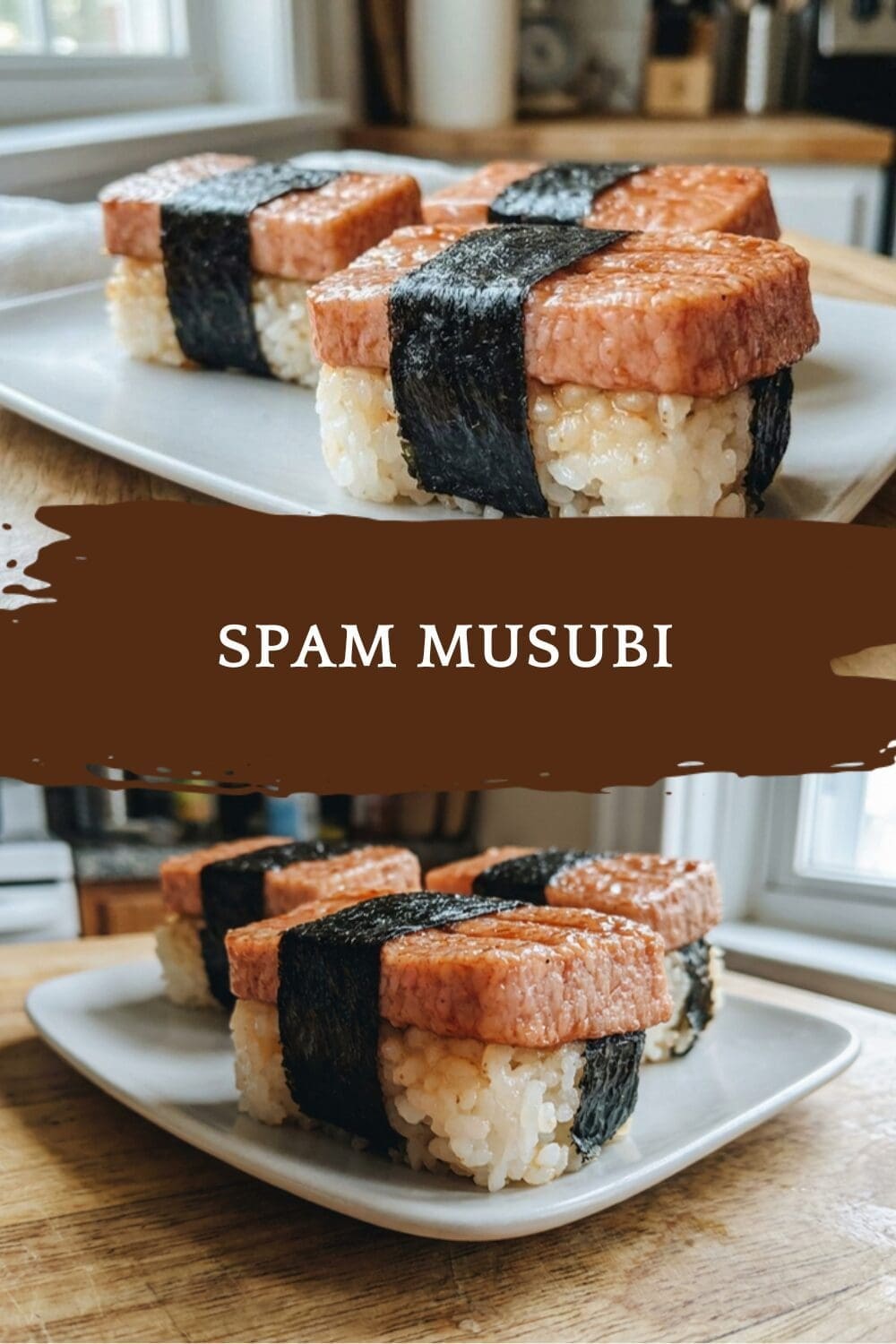
Place one glazed piece of luncheon meat on top of the rice block. Wrap the nori around the rice and meat, using a little water on the edge to help seal it if needed. The seaweed should hold the musubi together without slipping.
For a neat look, wrap the nori so it covers the seam at the bottom. If your rice is very warm, wait a minute before wrapping so the seaweed stays crisp longer. If you like a stronger seaweed flavor, use a full strip rather than a smaller piece.
Final Step: Serve and enjoy
Let the musubi rest for a minute or two so the glaze settles and the seaweed sticks nicely. Serve it warm, or pack it for later once it has cooled slightly. This recipe makes a great snack, lunch, or party tray item, and it tastes best when eaten the same day.
If you have ever wondered How to Make Spam Musubi at home, the biggest trick is simple: warm rice, glossy meat, and nori wrapped at the last minute.

Dietary Substitutions to Customize Your Spam Musubi
One reason people love Spam Musubi Recipe ideas is that they are easy to adjust. You can keep the same basic shape and swap ingredients based on what you have, what you eat, or what your family likes best. Whether you want a lighter version or a plant-based spin, there are plenty of ways to make it work.
Protein and Main Component Alternatives
If you do not eat canned luncheon meat, you can still enjoy a version of Hawaiian Spam Musubi. Try baked tofu slices, teriyaki tempeh, seared tofu cut into rectangles, or a vegetarian Spam-style product. These options still pair well with the sauce and rice, and they keep the handheld shape that makes musubi so fun.
For a lower-sodium choice, look for reduced-salt canned meat or a turkey-style version. Just make sure the slices are firm enough to hold on the rice. If you want more protein without as much richness, grilled chicken strips can work too, though the flavor will be different from the classic version.
Vegetable, Sauce, and Seasoning Modifications
You can also adjust the sauce to match your taste. If you want less sweetness, reduce the sugar a little. If you prefer a stronger savory note, add a splash more soy sauce or a bit more oyster sauce. For gluten-free musubi, use tamari instead of regular soy sauce.
Furikake is optional, but it adds a nice pop of flavor. You can also tuck in thin cucumber strips, avocado slices, or pickled vegetables for freshness. These small changes make Easy Spam Musubi feel fresh without losing the spirit of the dish.
- Use brown rice for a chewier texture and extra fiber.
- Swap in teriyaki sauce for a sweeter flavor profile.
- Add sesame seeds for a nutty finish.
- Use half-size nori strips for smaller snacks or lunchbox portions.
Mastering Spam Musubi: Advanced Tips and Variations
Once you make Spam Musubi a few times, it gets easier to shape, wrap, and flavor it just the way you like. A few small tricks can help you get neater pieces, better texture, and a more polished final result. These ideas are especially helpful if you plan to make a batch for meal prep, parties, or family snacks.
Pro cooking techniques
For the best texture, press the rice firmly enough to hold, but not so hard that it turns mushy. Wet your hands or musubi mold lightly to stop the rice from sticking. When browning the meat, let each side sit long enough to form color before flipping it. That extra browning gives the glaze something to cling to.
Another useful trick is to simmer the sauce just until it turns glossy. If it cooks too long, it can become sticky in the pan and hard to coat evenly. Keep a little extra rice nearby in case you need to patch any uneven edges.
Flavor variations
There are lots of ways to make this Hawaiian Style Spam Musubi Recipe your own. Add furikake between the rice layers for extra umami. Use spicy mayo on the side for dipping. For a sweeter glaze, add a little more sugar. For a more savory bite, let the luncheon meat brown a little longer before saucing.
You can also make mini musubi for appetizers, or make larger rectangles for a fuller lunch. Some people like to add scrambled egg, avocado, or pickled ginger on top. These versions still feel like Simple Hawaiian Spam Musubi but with a little extra personality.
Presentation tips
Serve the musubi on a tray with the seam side down so it looks tidy. If you are packing lunch boxes, wrap each piece individually in plastic wrap or parchment. That helps the seaweed stay in place and makes the pieces easy to grab.
For the neatest look, slice the musubi only after the nori has set for a minute. This helps the layers stay together and gives you a cleaner edge.
Make-ahead options
You can cook the meat and mix the sauce ahead of time, then store them separately until you are ready to assemble. The rice can also be made earlier in the day and kept covered so it stays soft. For the best texture, wrap the musubi close to serving time so the nori does not get too soft.
If you want more musubi inspiration, you may like this musubi recipe collection from Fav Family Recipes.
How to Store Spam Musubi: Best Practices
Spam Musubi is best fresh, but leftovers can still taste good if you store them the right way. Because rice and nori react to air and moisture, a little care goes a long way. The goal is to keep the rice soft, the meat tasty, and the seaweed from turning too chewy.
Refrigeration
Wrap each musubi tightly in plastic wrap or place it in an airtight container. Store it in the refrigerator for up to 2 days. If you can, keep the seaweed separate until serving, because nori can soften quickly once it touches the rice.
Freezing
Freezing is not the best choice for this recipe because the rice texture can change after thawing. If you must freeze it, wrap each piece very tightly and place it in a freezer-safe container. Thaw in the refrigerator before reheating, and expect a softer texture than fresh musubi.
Reheating
To reheat, unwrap the musubi and warm it in the microwave for about 10 to 15 seconds at a time until just heated through. Do not overheat or the rice can dry out. If the seaweed is already wrapped on, the texture will not be as crisp, so some people prefer to add a fresh strip of nori after reheating.
Meal prep considerations
For meal prep, store the rice and meat separately when possible, then assemble before eating. If you need fully assembled musubi for lunches, wrap them very tightly so they keep their shape. A small piece of damp paper towel inside the container can help keep the rice from drying out.
FAQs: Frequently Asked Questions About Spam Musubi
What is spam musubi?
Spam musubi is a popular Hawaiian snack made with rectangular blocks of seasoned rice topped with grilled Spam, then wrapped in nori seaweed. Spam itself is a canned pork product, primarily ham and pork with spices, developed by Hormel in 1937. It gained fame in Hawaii after World War II when troops brought it over; its long shelf life, low cost, and quick cooking made it a hit. Today, it’s a staple across the islands—found at convenience stores like 7-Eleven, food trucks, and even McDonald’s breakfast menus in Hawaii. Each musubi typically weighs about 4-6 ounces, offering a salty, savory bite that’s portable and filling. For authenticity, look for the classic teriyaki-glazed Spam version. (92 words)
How do you make spam musubi at home?
To make spam musubi, start with 2 cups cooked sushi rice (seasoned with rice vinegar, sugar, and salt). Slice one can of Spam into 8 rectangles, fry in a skillet over medium heat until golden (3-4 minutes per side), then glaze with ¼ cup soy sauce, 2 tbsp brown sugar, and 1 tbsp mirin—simmer until sticky. Press ½ cup rice into a musubi mold or Spam can (with ends removed) for a rectangle. Top with glazed Spam, wrap tightly with nori using a bamboo mat for grip. Makes 8 pieces; prep time is 20 minutes. Use furikake seasoning on rice for extra flavor. Store extras in the fridge up to 2 days. (112 words)
Should spam musubi be eaten hot or cold?
Spam musubi tastes best hot or warm, straight from the pan or microwave (10-15 seconds), as the rice stays moist and fluffy while the Spam’s glaze shines. Cold musubi works for lunches but risks dry, hard rice if not wrapped well—press rice firmly, wrap in plastic film, then foil or place in an airtight container to trap moisture. For school or work packs, add a damp paper towel inside the container. In Hawaii, street vendors serve it warm, but locals eat it room-temp without issue. Reheat gently to avoid sogginess; never freeze, as texture suffers. (98 words)
Why is spam musubi so popular in Hawaii?
Spam musubi exploded in Hawaii post-WWII due to military surplus—millions of cans shipped to troops created abundance. Its affordability (under $2 each today), portability, and no-refrigeration need fit island life. By the 1970s, musubi makers like Musubi Cafe Iyasume in Honolulu sold thousands daily. Hawaii consumes 7 million Spam cans yearly (5 pounds per person annually, tops in the U.S.), fueling fusions like egg or furikake versions. It’s sold everywhere: ABC Stores stock 100+ varieties. This snack bridges cultures—Japanese rice balls met American Spam—making it a comfort food for locals and tourists alike. (104 words)
How many calories are in spam musubi and is it healthy?
A standard spam musubi (one 4-6 oz piece) has about 250-350 calories: 40g carbs from rice, 12g fat and 10g protein from Spam, plus 5g from nori. Opt for low-sodium Spam to cut salt (600-800mg per serving). It’s not “health food” due to processed meat and sugar glaze, but portion control helps—pair with veggies or fruit. For lighter versions, use turkey Spam (30% fewer calories) or half the glaze. Nutritionally, it provides quick energy; Hawaii’s high Spam intake ties to convenience, not daily diets. Track via apps like MyFitnessPal; enjoy moderately as an indulgent treat. (108 words)

Spam Musubi
🍱 Grab portable Hawaiian spam musubi—glazed savory Spam atop fluffy rice delivers quick protein and island nostalgia in every bite.
🌺 Easy one-pan glaze and no-fuss assembly: sweet-savory snack ready in 30 minutes, perfect for lunches or parties.
- Total Time: 30 minutes
- Yield: 8-10 musubi
Ingredients
– 12 ounces canned luncheon meat
– 1/4 cup oyster sauce
– 1/4 cup soy sauce
– 1/2 cup sugar
– Nori roasted seaweed used for sushi, cut into halves or thirds
– 6 cups cooked sushi rice without the vinegar mixture added
– Furikake, optional
Instructions
1-First Step: Prepare the rice and prep your workspace Start with 6 cups cooked sushi rice without the vinegar mixture added. If the rice is freshly cooked, let it sit for a few minutes so it is warm, soft, and easy to shape. Set out your nori strips, a cutting board, a skillet, and a small bowl of water for wetting your hands or tools. If you want to add furikake, keep it nearby so you can sprinkle it over the rice during assembly. This is also a good time to line up a musubi mold if you have one, though a cleaned empty can or your hands can work in a pinch.
2-Second Step: Slice and cook the luncheon meat Cut the 12 ounces canned luncheon meat into slices or rectangles, depending on the shape you want for your musubi. A thinner slice gives more glaze on each piece, while a thicker slice creates a meatier bite. Heat a skillet over medium heat and cook the slices until they are browned on both sides. This usually takes just a few minutes per side. The goal is to get a crisp edge and a little color before adding sauce. If you are making Easy Spam Musubi for a crowd, cook the meat in batches so every piece gets good contact with the pan.
3-Third Step: Make the glaze In a small bowl, mix together 1/4 cup oyster sauce, 1/4 cup soy sauce, and 1/2 cup sugar. Pour the mixture into the skillet with the browned luncheon meat and let it simmer gently. Stir or turn the slices so each piece gets coated on all sides. The sauce should thicken into a shiny glaze. Keep the heat on medium-low so the sugar does not burn. If the sauce gets too thick too fast, add a spoonful of water and stir it back into a smooth coating. This is the flavor that gives Hawaiian Spam Musubi its sweet-salty finish.
4-Fourth Step: Shape the rice Lay a strip of nori on a clean surface. Place a musubi mold on top, or use the cleaned Spam can with both ends removed. Fill it with a layer of warm rice and press gently but firmly so it holds together. A little furikake can go between layers if you want extra flavor. You want a compact block, but do not press too hard or the rice may become dense. The shape should be firm enough to stay together when you lift it from the mold. If you are making Simple Hawaiian Spam Musubi with kids or beginners, this is the step they usually enjoy most.
5-Fifth Step: Add the Spam and wrap it up Place one glazed piece of luncheon meat on top of the rice block. Wrap the nori around the rice and meat, using a little water on the edge to help seal it if needed. The seaweed should hold the musubi together without slipping. For a neat look, wrap the nori so it covers the seam at the bottom. If your rice is very warm, wait a minute before wrapping so the seaweed stays crisp longer. If you like a stronger seaweed flavor, use a full strip rather than a smaller piece.
6-Final Step: Serve and enjoy Let the musubi rest for a minute or two so the glaze settles and the seaweed sticks nicely. Serve it warm, or pack it for later once it has cooled slightly. This recipe makes a great snack, lunch, or party tray item, and it tastes best when eaten the same day.
Last Step:
Please leave a rating and comment letting us know how you liked this recipe! This helps our business to thrive and continue providing free, high-quality recipes for you.Notes
🥡 Musubi mold perfects shape—use empty Spam can lined with plastic wrap as hack.
🍚 Warm moist rice molds best; cover to prevent drying during assembly.
🍬 Reduce sugar or add water to glaze for milder sweetness.
- Prep Time: 15 minutes
- Rice Cooking: 20 minutes
- Cook Time: 15 minutes
- Category: Snack
- Method: Stovetop
- Cuisine: Hawaiian
Nutrition
- Serving Size: 1 musubi
- Calories: 350 kcal
- Sugar: 10g
- Sodium: 1200mg
- Fat: 15g
- Saturated Fat: 5g
- Unsaturated Fat: 9g
- Trans Fat: 0g
- Carbohydrates: 45g
- Fiber: 1g
- Protein: 10g
- Cholesterol: 30mg


