

Why You’ll Love This Sushi Rice
Sushi rice is the heart of any great sushi dish, and this simple recipe makes it easy to achieve that restaurant-quality finish right at home. Imagine soft, sticky grains that hold together perfectly while offering a subtle, tangy sweetness that’ll elevate your meals without the fuss. This version is straightforward, ensuring even beginners can whip it up quickly, which is perfect if you’re a busy parent juggling kid activities or a student watching the clock.
One key benefit is the ease of preparation it only takes about 35 minutes from start to finish, with just 5 minutes of prep. You’ll rinse the rice, cook it simply with water and optional kombu, mix in a quick vinegar seasoning, and let it cool. For health-conscious folks like diet-focused individuals or seniors, this sushi rice offers nutritional perks such as mostly carbohydrates with a bit of protein, plus it’s customizable for various needs. Its versatility shines too, as it adapts to different dietary preferences, making it a go-to for travelers or working professionals who want a base for quick, no-heat meals.
Lastly, the distinctive flavor comes from that perfect blend of rice vinegar, sugar, and salt, creating a balance that’s both tangy and mildly sweet. Whether you’re using it for rolls, bowls, or salads, this japanese rice delivers a sticky, firm texture that’s hard to beat. It’s no wonder food enthusiasts keep coming back for more, as it turns everyday ingredients into something special without needing advanced tools like a rice cooker just basic kitchen staples do the trick. Short grain rice like this ensures every bite has that authentic feel, making your homemade sushi as enjoyable as takeout.
Jump to:
- Why You’ll Love This Sushi Rice
- Essential Ingredients for Sushi Rice
- How to Prepare the Perfect Sushi Rice: Step-by-Step Guide
- Dietary Substitutions to Customize Your Sushi Rice
- Protein and Main Component Alternatives
- Vegetable, Sauce, and Seasoning Modifications
- Mastering Sushi Rice: Advanced Tips and Variations
- How to Store Sushi Rice: Best Practices
- FAQs: Frequently Asked Questions About Sushi Rice
- What kind of rice is best for making sushi?
- How do you make sushi vinegar from scratch?
- Do you need to rinse sushi rice before cooking?
- How long does cooked sushi rice last and how should you store it?
- What’s the difference between sushi rice and regular rice?
- Sushi Rice
- Ingredients
- Instructions
- Last Step:
- Notes
- Nutrition
- Did you make this recipe?
Essential Ingredients for Sushi Rice
Gathering the right ingredients is key to making perfect sushi rice, and each one plays a specific role in achieving that ideal sticky, flavorful result. Below, you’ll find a comprehensive, structured list of everything needed, pulled directly from the recipe details. I’ll explain the purpose and benefits of each to help you understand why they’re essential, while keeping things simple and approachable for home cooks.
- 2 cups sushi rice (short-grain, sticky, firm) – This is the base of your sushi rice preparation, providing the sticky texture that holds rolls and nigiri together; it’s high in carbohydrates for energy and is a staple in japanese rice dishes.
- 2 cups water (increase to 2 1/4 cups for stovetop cooking) – Water cooks the rice to perfection, absorbing into the grains to make them tender; using the right amount ensures the rice isn’t too dry or mushy, and adjusting for stovetop methods helps with precise rice preparation.
- 1 piece of kombu, measuring 4 inches square (optional, for added umami flavor) – This seaweed adds a subtle, savory depth to your sticky rice, enhancing the overall taste without overpowering it; it’s a great way to boost the nutritional profile with natural minerals.
- 1/4 cup rice vinegar (unseasoned) – Rice vinegar brings the tangy seasoning that defines sushi rice, helping to balance flavors and make the grains glossy; it’s often used in rice seasoning to add acidity that pairs well with various meals.
- 4 teaspoons sugar (or an alternative natural sweetener) – Sugar sweetens the mix gently, creating that signature sushi taste; you can swap it for options like honey if you want a natural twist, keeping the recipe adaptable for different preferences.
- 1 teaspoon fine sea salt (adjust the amount if using table salt) – Salt seasons the rice evenly, enhancing flavors and drawing out the natural taste of the grains; it’s crucial for achieving the perfect balance in your short grain rice, so adjust based on your salt type for the best results.
For special dietary options, this recipe is naturally flexible. Vegan: All ingredients are plant-based, so it’s already vegan-friendly just ensure your sweetener is from plant sources. Gluten-free: Every item here is gluten-free, making it safe for those with sensitivities; there’s no need for substitutes. Low-calorie: Opt for a lower-sugar sweetener and use the minimal amount of rice vinegar to cut calories while maintaining great rice preparation. These adaptations make this perfect rice accessible for busy parents, students, or anyone exploring short grain rice variations.
How to Prepare the Perfect Sushi Rice: Step-by-Step Guide
Ready to dive into making sushi rice that’s as good as what you’d get at a favorite spot? This step-by-step guide walks you through the process, using the exact details from our recipe summary. We’ll cover rinsing, cooking, seasoning, and cooling, with tips for adapting to your needs. First, gather your tools a bowl for rinsing, a pot or rice cooker, and a wooden spoon for mixing to keep things simple for home cooks like you.
First Step: Start by rinsing the rice to remove excess starch, which is crucial for getting that ideal texture. Measure out 2 cups of sushi rice and place it in a large bowl, then cover with cold water. Swirl the rice with your hands until the water turns cloudy, drain it, and repeat 3-5 times until the water runs clear this usually takes about 2-3 minutes and helps prevent the rice from becoming too sticky or gummy.
Second Step: After rinsing, drain the rice thoroughly in a fine-mesh strainer for 15-20 minutes. This lets the rice absorb the right amount of water for cooking, ensuring even results. For how to make sushi rice like a pro, remember that this step is key for best sushi rice recipe outcomes, especially if you’re aiming for a restaurant quality finish.
Third Step: Cook the rice with the measured water. In a pot, combine the drained rice with 2 cups of water (or 2 1/4 cups if using stovetop), and add the optional 4-inch square piece of kombu for extra umami. Bring it to a boil over medium heat, then reduce to low, cover, and simmer for about 15-20 minutes until the water is absorbed. If you have a rice cooker, follow its instructions for short grain rice to simplify this part, which fits well for busy parents or students.
Fourth Step: While the rice cooks, prepare the vinegar mixture. In a small saucepan, combine 1/4 cup rice vinegar, 4 teaspoons sugar, and 1 teaspoon fine sea salt. Heat gently over low heat, stirring until everything dissolves this takes about 2-3 minutes. Let it cool slightly, as this sushi seasoning is what gives your homemade sushi rice that authentic, tangy flavor, perfect for various dietary tweaks.
Fifth Step: Once the rice is done cooking, transfer it to a large, shallow bowl. Pour the vinegar mixture over the hot rice and gently fold it in with a wooden spoon or rice paddle, using cutting and folding motions to avoid mashing the grains. This step is vital for the sticky rice effect, and you can adapt it for low-calorie needs by reducing the sugar. Let the rice cool to room temperature, spreading it out and covering with a damp towel to prevent drying about 10 minutes.
Final Step: Your sushi rice is now ready to use! It yields about 4 cups, ideal for making rolls or bowls, and the whole process takes around 35 minutes (5 minutes prep and 30 minutes cook time). For additional ideas, check out our simple pasta-style recipes that pair well with rice dishes for quick meals. This authentic sushi rice method works for everyone, from food enthusiasts to diet-conscious folks, ensuring perfect results every time with these easy sushi rice instructions.

Dietary Substitutions to Customize Your Sushi Rice
Protein and Main Component Alternatives
When tweaking the main ingredients of your sushi rice, focus on swaps that keep the texture and flavor intact. For instance, if you’re out of sushi rice, try using another short grain rice like Calrose as a direct substitute to maintain that sticky quality, which is great for busy professionals needing quick fixes. Those seeking low-calorie options might reduce the portion size or use cauliflower rice as a base, blending it with a small amount of the original rice for a lighter rice preparation that still holds together.
Vegetable, Sauce, and Seasoning Modifications
Adjusting vegetables, sauces, or seasonings can make your sushi rice fit seasonal tastes or restrictions. Swap rice vinegar for apple cider vinegar in the seasoning mix if you want a milder tang, ideal for seniors with sensitive palates, while keeping the rice vinegar ratio at 1/4 cup for authenticity. For vegetable additions, incorporate fresh herbs or low-sodium options to cater to diet-conscious individuals, ensuring your perfect rice remains versatile and flavorful without extra effort.
Mastering Sushi Rice: Advanced Tips and Variations
Taking your sushi rice to the next level means trying out pro cooking techniques and fun twists. For better results, experiment with different rice washing methods, like using a gentle massage technique to remove starch more effectively, which enhances the grains’ firmness and stickiness. Flavor variations could include adding a splash of mirin to the vinegar mix for a deeper sweetness, turning your short grain rice into a more complex base for various dishes. Here’s a quick table of variations to inspire you:
| Variation | Description |
|---|---|
| Herb-Infused | Add fresh basil or cilantro during mixing for a fresh twist, perfect for food enthusiasts. |
| Spicy Option | Mix in a dash of chili flakes with the seasoning for some heat. |
Presentation tips include spreading the rice in a thin layer on a plate for quicker cooling, which helps maintain that restaurant quality look. For make-ahead options, prepare a big batch and store it as outlined later it’s ideal for college students or apartment dwellers. These traditional sushi rice techniques, like thorough rinsing, ensure perfect sushi rice every time, even with simple tweaks.
How to Store Sushi Rice: Best Practices
Proper storage keeps your sushi rice fresh and ready for use, extending its shelf life up to 3 days. For refrigeration, place the cooled rice in an airtight container and cover the surface with a damp towel to lock in moisture, preventing it from drying out. This method works well for short-term needs, like when you’re prepping meals for the week as a working professional.
When it comes to freezing, portion the rice into freezer-safe bags, removing as much air as possible, and it can last up to a month thaw overnight in the fridge for the best texture. For reheating, sprinkle a little water over the rice and microwave in short bursts, stirring to evenly warm it without making it mushy. These simple sushi rice storage tips make meal prep a breeze for busy parents or travelers on the go.
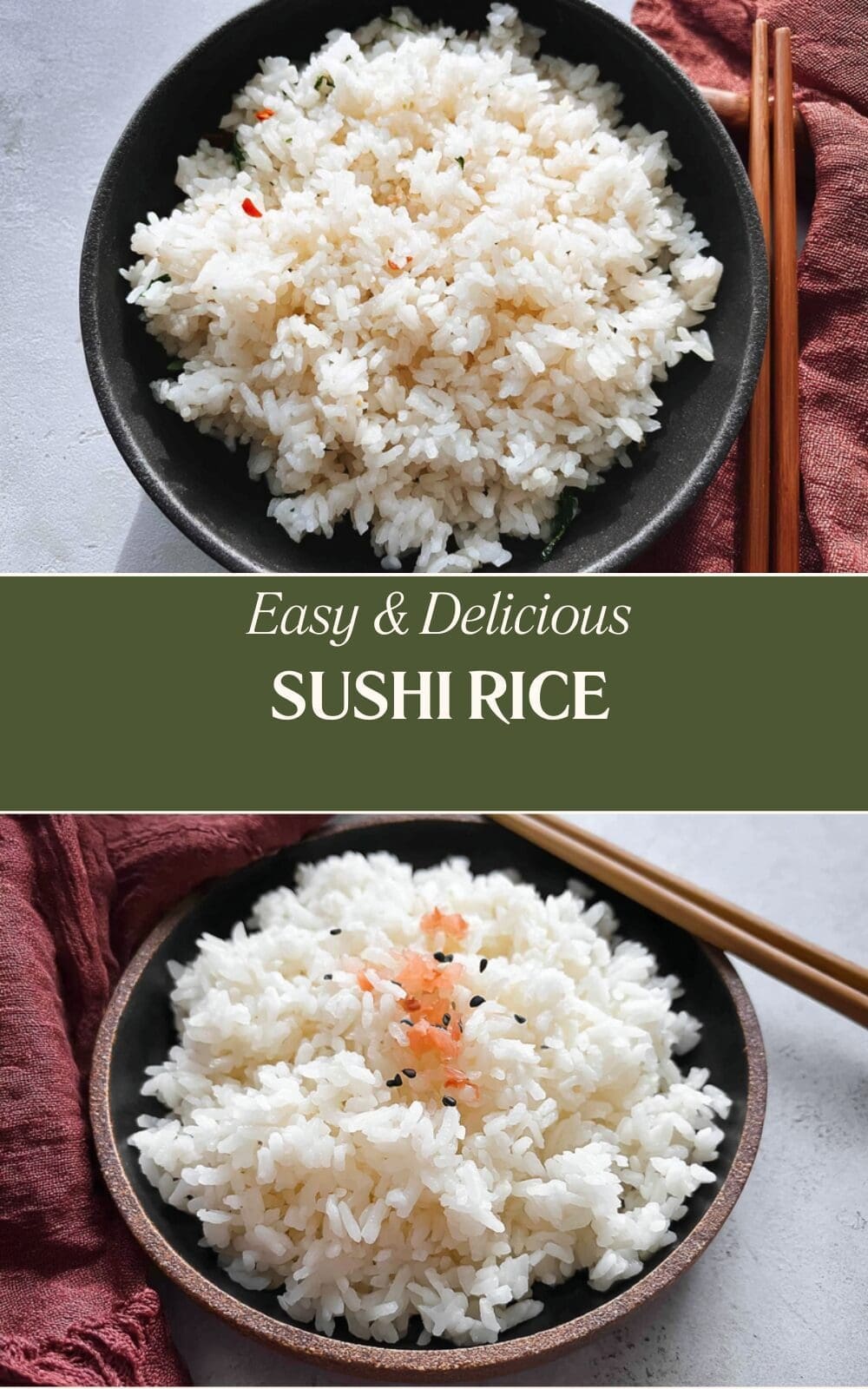
FAQs: Frequently Asked Questions About Sushi Rice
What kind of rice is best for making sushi?
The best rice for sushi is short-grain Japanese white rice labeled specifically as “sushi rice.” Varieties like Koshihikari are considered premium options in Japan, while Calrose rice works well as a more affordable alternative. Look for rice that’s grown in Japan or California for the best results. The short grains become sticky when cooked, allowing them to hold together in sushi rolls while still maintaining individual grain texture. Avoid long-grain varieties like basmati or jasmine as they won’t achieve the proper consistency.
How do you make sushi vinegar from scratch?
Making sushi vinegar is simple and requires just three ingredients. Combine 1/4 cup (60ml) unseasoned rice vinegar, 2 tablespoons sugar, and 1 teaspoon salt in a small saucepan. Heat gently over low heat, stirring until the sugar and salt completely dissolve. This basic mixture will season about 4 cups of cooked sushi rice. You can adjust the ratios slightly to your taste—adding more sugar for sweetness or more salt for a stronger flavor. Let the mixture cool before using it on hot rice.
Do you need to rinse sushi rice before cooking?
Rinsing sushi rice before cooking is essential for proper texture. Place the rice in a bowl and cover with cold water. Swirl with your hands— the water will become cloudy from excess starch. Drain the water and repeat this process 3-5 times until the water runs mostly clear. This removes surface starch that would otherwise make the rice overly sticky and gummy. After rinsing, drain the rice thoroughly in a fine-mesh strainer for 15-20 minutes before cooking to ensure the right water absorption during cooking.
How long does cooked sushi rice last and how should you store it?
Cooked sushi rice should be stored in an airtight container in the refrigerator and will last for up to 3 days. To prevent drying out, place a damp paper towel directly on the rice surface before sealing the container. When reheating, sprinkle with a small amount of water and microwave in short intervals, stirring between each. For longer storage, you can freeze sushi rice for up to one month. Thaw in the refrigerator overnight and reheat as needed. Note that refrigerated or frozen rice will lose some of its ideal texture.
What’s the difference between sushi rice and regular rice?
Sushi rice differs from regular rice in several key ways. It’s a specific short-grain variety that becomes sticky when cooked, allowing it to hold shapes needed for sushi. After cooking, it’s seasoned with a vinegar mixture (sushi vinegar) that gives it a distinctive sweet-tangy flavor unseasoned rice lacks. The grains are also prepared differently—thoroughly rinsed to remove excess starch, cooked with precise water ratios, and cooled in a specific way to achieve the right texture and moisture level. Regular long-grain rice varieties lack these characteristics and won’t work well for sushi.

Sushi Rice
🍚 Enjoy perfectly seasoned Sushi Rice with a simple recipe that delivers authentic restaurant-quality results every time.
🍣 This Sushi Rice recipe offers a balanced flavor with just the right stickiness and texture, making your homemade sushi stand out.
- Total Time: 35 minutes
- Yield: 4 cups seasoned sushi rice
Ingredients
– 2 cups sushi rice (short-grain, sticky, firm) for sticky texture and energy
– 2 cups water (increase to 2 1/4 cups for stovetop cooking) for cooking rice to tenderness
– 1 piece of kombu, measuring 4 inches square (optional, for added umami flavor) for savory depth and minerals
– 1/4 cup rice vinegar (unseasoned) for tangy seasoning and glossy grains
– 4 teaspoons sugar (or an alternative natural sweetener) for gentle sweetness
– 1 teaspoon fine sea salt (adjust the amount if using table salt) for seasoning and flavor enhancement
Instructions
First Step: Start by rinsing the rice to remove excess starch, which is crucial for getting that ideal texture. Measure out 2 cups of sushi rice and place it in a large bowl, then cover with cold water. Swirl the rice with your hands until the water turns cloudy, drain it, and repeat 3-5 times until the water runs clear this usually takes about 2-3 minutes and helps prevent the rice from becoming too sticky or gummy.
Second Step: After rinsing, drain the rice thoroughly in a fine-mesh strainer for 15-20 minutes. This lets the rice absorb the right amount of water for cooking, ensuring even results. For how to make sushi rice like a pro, remember that this step is key for best sushi rice recipe outcomes, especially if you’re aiming for a restaurant quality finish.
Third Step: Cook the rice with the measured water. In a pot, combine the drained rice with 2 cups of water (or 2 1/4 cups if using stovetop), and add the optional 4-inch square piece of kombu for extra umami. Bring it to a boil over medium heat, then reduce to low, cover, and simmer for about 15-20 minutes until the water is absorbed. If you have a rice cooker, follow its instructions for short grain rice to simplify this part, which fits well for busy parents or students.
Fourth Step: While the rice cooks, prepare the vinegar mixture. In a small saucepan, combine 1/4 cup rice vinegar, 4 teaspoons sugar, and 1 teaspoon fine sea salt. Heat gently over low heat, stirring until everything dissolves this takes about 2-3 minutes. Let it cool slightly, as this sushi seasoning is what gives your homemade sushi rice that authentic, tangy flavor, perfect for various dietary tweaks.
Fifth Step: Once the rice is done cooking, transfer it to a large, shallow bowl. Pour the vinegar mixture over the hot rice and gently fold it in with a wooden spoon or rice paddle, using cutting and folding motions to avoid mashing the grains. This step is vital for the sticky rice effect, and you can adapt it for low-calorie needs by reducing the sugar. Let the rice cool to room temperature, spreading it out and covering with a damp towel to prevent drying about 10 minutes.
Final Step: Your sushi rice is now ready to use! It yields about 4 cups, ideal for making rolls or bowls, and the whole process takes around 35 minutes (5 minutes prep and 30 minutes cook time). For additional ideas, check out our simple pasta-style recipes that pair well with rice dishes for quick meals. This authentic sushi rice method works for everyone, from food enthusiasts to diet-conscious folks, ensuring perfect results every time with these easy sushi rice instructions.
Last Step:
Please leave a rating and comment letting us know how you liked this recipe! This helps our business to thrive and continue providing free, high-quality recipes for you.Notes
🌾 Rinse rice thoroughly to ensure the best texture and remove excess starch.
🌱 Use a damp towel to cover the rice while cooling to prevent it from drying out.
🍶 Adjust sugar and salt in vinegar mixture to taste for personalized flavor balance.
- Prep Time: 5 minutes
- Cooling Time: 10 minutes
- Cook Time: 30 minutes
- Category: Side Dish
- Method: Boiling/Simmering
- Cuisine: Japanese
- Diet: Vegetarian
Nutrition
- Serving Size: 1/2 cup seasoned sushi rice
- Calories: 160 kcal
- Sugar: 3g
- Sodium: 300mg
- Fat: 0.3g
- Saturated Fat: 0.1g
- Unsaturated Fat: 0.2g
- Trans Fat: 0g
- Carbohydrates: 36g
- Fiber: 0.5g
- Protein: 3g
- Cholesterol: 0mg