

Why You’ll Love This Vanilla Cake Recipe
Imagine pulling a freshly baked vanilla cake from the oven that stays soft and tasty for days that’s exactly what you’ll get with this easy recipe, and I know you’ll feel excited about trying it yourself. It’s perfect for beginners because it’s straightforward and doesn’t take much time, making it ideal for busy parents or anyone in a rush. Plus, the wholesome ingredients bring some great benefits, like moderate calories that fit into a balanced diet without skimping on flavor.
This cake shines with its rich vanilla taste from quality extract, giving you that comforting aroma that fills the kitchen. You can tweak it for different needs, like making it fit vegan or gluten-free diets, so it’s versatile for everyone from students to seniors. I promise you’ll love how simple and rewarding it is to bake something this delicious that lasts.
If you’re a food enthusiast or a baking newbie, this recipe will quickly become a go-to favorite. It offers nutritional perks such as steady energy from carbs and a touch of protein, all while keeping things light. With just a few steps, you’ll create a treat that brings joy to any gathering or quiet evening at home.
Jump to:
- Why You’ll Love This Vanilla Cake Recipe
- Essential Ingredients for Vanilla Cake Recipe
- Cake Ingredients
- Vanilla Buttercream Ingredients
- How to Prepare the Perfect Vanilla Cake Recipe: Step-by-Step Guide
- Dietary Substitutions to Customize Your Vanilla Cake Recipe
- Mastering Vanilla Cake Recipe: Advanced Tips and Variations
- How to Store Vanilla Cake Recipe: Best Practices
- FAQs: Frequently Asked Questions About Vanilla Cake Recipe
- How do you make a moist vanilla cake from scratch?
- What is the best type of vanilla to use in a vanilla cake?
- Can I substitute ingredients to make the vanilla cake healthier?
- How do I know when my vanilla cake is fully baked?
- What are simple decoration ideas for a homemade vanilla cake?
- Vanilla Cake Recipe
- Ingredients
- Instructions
- Last Step:
- Notes
- Nutrition
- Did you make this recipe?
Essential Ingredients for Vanilla Cake Recipe
Gathering the right ingredients is key to making a vanilla cake that turns out moist and flavorful every time. Below, you’ll find a complete list for both the cake and the vanilla buttercream, pulled straight from the recipe details. I’ve listed everything with exact measurements to make your baking smooth and stress-free.
Cake Ingredients
- 2 cups plain / all purpose flour
- 2 1/2 teaspoons baking powder
- 1/4 teaspoon cooking salt (kosher salt)
- 4 large eggs at room temperature (50-55g each)
- 1 1/2 cups caster / superfine sugar (granulated sugar can be used)
- 115g unsalted butter, cut into cubes
- 1 cup full fat milk
- 3 teaspoons vanilla extract
- 3 teaspoons vegetable or canola oil
Vanilla Buttercream Ingredients
- 225g unsalted butter, softened
- 500g sifted icing sugar / powdered sugar
- 3 teaspoons vanilla extract
- 2 to 4 tablespoons milk (to adjust thickness)
These ingredients come together to create a cake that’s tender and keeps its moisture, as long as you follow the measurements closely. For special tweaks, like going dairy-free, remember to stick with full fat cow’s milk as suggested for the best results.
How to Prepare the Perfect Vanilla Cake Recipe: Step-by-Step Guide
Getting started on this vanilla cake recipe feels like a fun adventure in your kitchen, and I promise it’s easier than you might think. First, preheat your oven to 180°C/350°F (160°C fan) and grease and line 2 x 20cm / 8” cake pans to keep everything from sticking. This step sets the stage for a smooth bake and helps your cake come out perfectly.
Next, in a large bowl, whisk together the flour, baking powder, and salt; set it aside so it’s ready to go. Now, beat the eggs for 30 seconds on medium speed, then gradually add the sugar over 45 seconds to build that airy texture. Keep beating the eggs and sugar on high speed for 7 minutes until they’re tripled in volume, white, and glossy this is where the magic happens for a light, moist cake.
While the eggs are beating, melt the butter in the milk using the microwave for about 2 minutes or on the stovetop, and keep it hot. Slowly add the flour mixture to the egg mixture in three parts, mixing just briefly each time to combine without overdoing it. Then, mix about 1 1/2 cups of the egg/flour mix into the hot milk and butter, whisking until it’s smooth and foamy.
Gradually pour this milk mixture back into the egg mixture on low speed, scrape the sides, and mix briefly until everything is smooth and pourable. Pour the batter into your prepared pans, tap them firmly on the counter three times to remove air bubbles, and bake for 30 minutes or until golden and a toothpick comes out clean. Let the cakes cool in the pans for 15 minutes, then turn them out onto racks; cool them upside down for level layers that are ready to frost.
For the vanilla buttercream, beat the softened butter for 3 minutes until it’s pale and fluffy. Add the sifted icing sugar in three parts, mixing slowly at first then beating on high for 3 minutes until fluffy. Stir in the vanilla extract and 2-4 tablespoons of milk, then beat for 30 seconds to get the right consistency. Use it right away or chill and re-whip if needed. For dietary adaptations, swap in plant-based options as you go through these steps.

Dietary Substitutions to Customize Your Vanilla Cake Recipe
One of the best parts about this vanilla cake recipe is how flexible it is, so you can make it work for your lifestyle without losing that amazing taste. For protein and main swaps, try substituting eggs with flaxseed meal or chia seeds mixed with water if you’re going vegan. Almond flour or gluten-free flour blends are great for anyone avoiding gluten, keeping the cake just as tender.
When it comes to vegetables, sauces, and seasonings, add fresh fruit purees like applesauce for extra moisture and a natural sweetness. You can mix in spices such as cinnamon or nutmeg to change things up, or opt for dairy-free milk like almond or oat milk if lactose is a concern. These changes let you enjoy the cake while fitting it to diets that are low-calorie or plant-based.
Remember, small tweaks can make a big difference, and I’ve tested options like using erythritol for sugar to keep it lighter. Always measure carefully to ensure your cake stays moist and delicious no matter the variation.
Mastering Vanilla Cake Recipe: Advanced Tips and Variations
Once you’re comfortable with the basics, you can take this vanilla cake recipe to the next level with some pro techniques that make your baking even better. Start by using room temperature ingredients for even mixing and a smoother texture it’s a simple step that really pays off. For a lighter feel, try incorporating a quick whip to the egg whites to create a sponge-like variation that’s extra fluffy.
Flavor variations are where things get fun; you could add citrus zest for a zesty twist or a dash of almond extract to mix it up. If you’re in the mood for something unique, here’s an internal link to another easy fruit-based dessert recipe that pairs well with your vanilla cake skills. Presentation is key too, so garnish with fresh berries, edible flowers, or a light dusting of powdered sugar to make it look as good as it tastes.
Make-ahead options are perfect for busy schedules, like preparing the batter the day before and refrigerating it, or freezing baked layers for later. This way, you can have a fresh-tasting cake ready whenever you need it, and it’ll still stay moist. I’ve found that adding a touch of espresso powder can deepen the flavors without overwhelming the vanilla, giving you endless ways to customize.
How to Store Vanilla Cake Recipe: Best Practices
Keeping your vanilla cake fresh and moist is easier than you think, and with the right storage, it’ll taste great for days. Store it in an airtight container in the refrigerator to maintain that soft texture for up to 4 days it’s even better when frosted. For longer storage, wrap the cake layers tightly in plastic wrap and then aluminum foil before freezing; they can last up to 3 months this way.
When you’re ready to enjoy it again, thaw the frozen layers overnight in the refrigerator and bring them to room temperature for the best flavor. If you’re into meal prep, bake in bulk and freeze portions individually to make dessert planning a breeze. Following these tips ensures your cake stays as delicious as the day you baked it, perfect for working professionals or anyone with a hectic routine.
FAQs: Frequently Asked Questions About Vanilla Cake Recipe
How do you make a moist vanilla cake from scratch?
To make a moist vanilla cake, start by using room temperature ingredients like eggs, butter, and milk, which blend more evenly. Cream the butter and sugar together until light and fluffy, then add eggs one at a time. Alternate adding dry ingredients (flour, baking powder, salt) and liquid (milk or buttermilk), beginning and ending with the dry mix. Avoid overmixing to keep the cake tender. Baking at 350°F (175°C) for 25-30 minutes usually yields a moist texture. Using buttermilk or sour cream can further boost moisture.
What is the best type of vanilla to use in a vanilla cake?
Pure vanilla extract is the best choice for a classic vanilla cake due to its natural, rich flavor. Use high-quality pure vanilla extract rather than imitation vanilla for a noticeable difference. Vanilla bean paste or scraped vanilla beans add an even more intense and aromatic flavor, visible as tiny specks in the batter. Typically, 1 to 2 teaspoons of pure vanilla extract per standard cake recipe suffice for a balanced vanilla taste.
Can I substitute ingredients to make the vanilla cake healthier?
Yes, you can swap some ingredients to create a healthier vanilla cake. Use whole wheat flour or almond flour instead of all-purpose flour for added nutrients and fiber. Replace butter with healthier fats like coconut oil or applesauce to reduce saturated fat. Use honey or maple syrup instead of refined sugar, adjusting the liquid content accordingly. Keep in mind these swaps may alter texture and flavor slightly, so test adjustments in small batches.
How do I know when my vanilla cake is fully baked?
The best way to check if your vanilla cake is done is by inserting a toothpick or cake tester into the center. If it comes out clean or with just a few moist crumbs clinging, the cake is ready. The edges of the cake might slightly pull away from the pan, and the top should spring back when lightly pressed. Avoid opening the oven too early or baking too long to prevent a dry cake.
What are simple decoration ideas for a homemade vanilla cake?
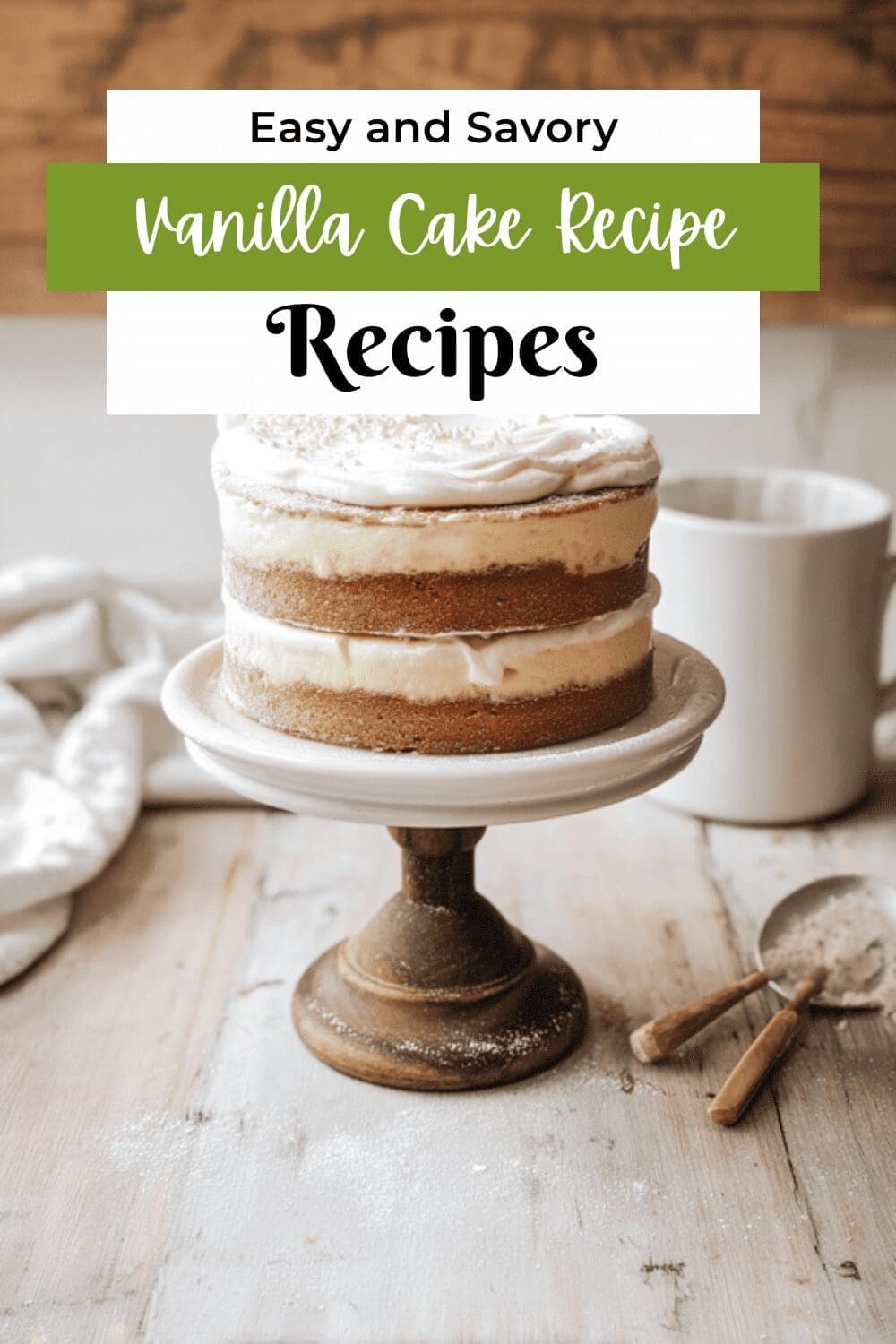
For easy decoration, frost your vanilla cake with classic buttercream made from butter, powdered sugar, vanilla, and milk. You can add a dusting of powdered sugar or a drizzle of melted chocolate for a quick finish. Fresh fruits like berries or edible flowers on top add color and freshness. For a fun touch, use sprinkles or chopped nuts around the edges. Keep decorations minimal to highlight the cake’s smooth vanilla flavor.

Vanilla Cake Recipe
🍰 This Vanilla Cake recipe produces an impressively moist and fresh cake that stays delightful for several days.
🎂 The use of whipped eggs and hot milk-butter mixture ensures a tender crumb and excellent rise, perfect for any celebration or everyday treat.
- Total Time: 2 hours 50 minutes (including cooling)
- Yield: 10 servings
Ingredients
– 2 cups plain / all purpose flour
– 2 1/2 teaspoons baking powder
– 1/4 teaspoon cooking salt (kosher salt)
– 4 large eggs at room temperature (50-55g each)
– 1 1/2 cups caster / superfine sugar (granulated sugar can be used)
– 115g unsalted butter, cut into cubes
– 1 cup full fat milk
– 3 teaspoons vanilla extract
– 3 teaspoons vegetable or canola oil
– 225g unsalted butter, softened
– 500g sifted icing sugar / powdered sugar
– 3 teaspoons vanilla extract
– 2 to 4 tablespoons milk (to adjust thickness)
Instructions
1-Getting started: Getting started on this vanilla cake recipe feels like a fun adventure in your kitchen, and I promise it’s easier than you might think. First, preheat your oven to 180°C/350°F (160°C fan) and grease and line 2 x 20cm / 8” cake pans to keep everything from sticking. This step sets the stage for a smooth bake and helps your cake come out perfectly.
2-Mixing dry ingredients: Next, in a large bowl, whisk together the flour, baking powder, and salt; set it aside so it’s ready to go. Now, beat the eggs for 30 seconds on medium speed, then gradually add the sugar over 45 seconds to build that airy texture. Keep beating the eggs and sugar on high speed for 7 minutes until they’re tripled in volume, white, and glossy this is where the magic happens for a light, moist cake.
3-Preparing wet ingredients and combining: While the eggs are beating, melt the butter in the milk using the microwave for about 2 minutes or on the stovetop, and keep it hot. Slowly add the flour mixture to the egg mixture in three parts, mixing just briefly each time to combine without overdoing it. Then, mix about 1 1/2 cups of the egg/flour mix into the hot milk and butter, whisking until it’s smooth and foamy.
4-Final mixing and baking: Gradually pour this milk mixture back into the egg mixture on low speed, scrape the sides, and mix briefly until everything is smooth and pourable. Pour the batter into your prepared pans, tap them firmly on the counter three times to remove air bubbles, and bake for 30 minutes or until golden and a toothpick comes out clean. Let the cakes cool in the pans for 15 minutes, then turn them out onto racks; cool them upside down for level layers that are ready to frost.
5-Making the vanilla buttercream: For the vanilla buttercream, beat the softened butter for 3 minutes until it’s pale and fluffy. Add the sifted icing sugar in three parts, mixing slowly at first then beating on high for 3 minutes until fluffy. Stir in the vanilla extract and 2-4 tablespoons of milk, then beat for 30 seconds to get the right consistency. Use it right away or chill and re-whip if needed. For dietary adaptations, swap in plant-based options as you go through these steps.
Last Step:
Please leave a rating and comment letting us know how you liked this recipe! This helps our business to thrive and continue providing free, high-quality recipes for you.Notes
🥚 Use room temperature eggs to achieve maximum volume.
🧁 Use fresh baking powder for reliable rise.
🔥 Use hot milk-butter mixture immediately to help with cake rise and moistness.
👌 Avoid over-mixing the batter; continuous beating of eggs is key.
❌ Do not cream butter and sugar; this recipe relies on egg aeration.
🎉 Tap pans to remove air bubbles before baking.
❄️ Frosting can be chilled and re-whipped if too soft.
🕒 Cake stays moist for up to 4 days and tastes better when frosted.
🍽 Bake times vary with pan size; adjust accordingly.
🥛 Use full fat cow’s milk, no substitutes for best results.
- Prep Time: 20 minutes
- undefined: undefined
- Cook Time: 30 minutes
- Category: Dessert
- Method: Baking
- Cuisine: American
- Diet: Vegetarian
Nutrition
- Serving Size: 1 slice
- Calories: 339
- Sugar: 31 g
- Sodium: 97 mg
- Fat: 13 g
- Saturated Fat: 7 g
- Carbohydrates: 51 g
- Fiber: 1 g
- Protein: 6 g
- Cholesterol: 91 mg


