

Why You’ll Love This Balsamic Vinaigrette
This balsamic vinaigrette recipe stands out as a go-to favorite for home cooks like you who want something quick and delicious without much effort. It’s not just about the tangy flavor that brings salads to life; it’s also about how easy it is to make with ingredients you likely already have on hand. Let me walk you through why this dressing has become a staple in many kitchens, including mine, as it adds a special touch to everyday meals while keeping things healthy and simple.
One of the best parts is the ease of preparation: this balsamic vinaigrette recipe requires only a few simple ingredients and can be whipped up in under 10 minutes, making it a quick and effortless addition to any meal. Plus, it brings health benefits like being packed with antioxidant-rich balsamic vinegar and heart-healthy olive oil, which supports wellness and provides a nutritious boost with every drizzle. Beyond that, its versatility means it’s adaptable to various dietary preferences, complementing salads, roasted vegetables, and proteins, and it’s suitable for vegan, gluten-free, and low-calorie diets. Finally, the distinctive flavor from the balance of tangy balsamic vinegar and subtle sweetness creates a unique profile that enhances any dish, setting it apart from ordinary dressings and making your meals more exciting.
If you’re a busy parent or a working professional, this vinaigrette can transform your routine by adding flavor without extra time in the kitchen. I remember the first time I made it for a family picnic; everyone was surprised at how something so simple could taste so fresh and homemade. Whether you’re a student looking for quick meal ideas or a food enthusiast experimenting with new flavors, this recipe will fit right into your lifestyle.
Jump to:
- Why You’ll Love This Balsamic Vinaigrette
- Essential Ingredients for Balsamic Vinaigrette
- Special Considerations for Ingredients
- How to Prepare the Perfect Balsamic Vinaigrette: Step-by-Step Guide
- Dietary Substitutions to Customize Your Balsamic Vinaigrette
- Mastering Balsamic Vinaigrette: Advanced Tips and Variations
- Exploring Variations Further
- How to Store Balsamic Vinaigrette: Best Practices
- FAQs: Frequently Asked Questions About Balsamic Vinaigrette
- How long can homemade balsamic vinaigrette be stored in the fridge?
- What is the best way to store balsamic vinaigrette to keep it fresh?
- Can I use an immersion blender to mix balsamic vinaigrette?
- Besides salads, what dishes go well with balsamic vinaigrette?
- Why does my balsamic vinaigrette separate and how can I prevent it?
- Balsamic Vinaigrette
- Ingredients
- Instructions
- Last Step:
- Notes
- Nutrition
- Did you make this recipe?
Essential Ingredients for Balsamic Vinaigrette
Gathering the right ingredients is the first step to creating a great balsamic vinaigrette, and you’ll find that this recipe uses straightforward items that are easy to source. Each one plays a key role in building that perfect balance of flavors, from the sweetness of honey to the tang of vinegar. Let’s break it down so you can get started with confidence, knowing exactly what you need for a successful batch.
- 2 tablespoons honey – adds natural sweetness and helps balance the acidity.
- 1 tablespoon dijon mustard – acts as an emulsifier to blend the oil and vinegar smoothly.
- 1/2 teaspoon fine sea salt – enhances the overall flavor profile.
- 1/2 teaspoon freshly crushed black pepper, finely ground – provides a subtle heat and depth.
- 1 large garlic clove, minced – introduces a fragrant and savory note.
- 1/4 cup balsamic vinegar – delivers the signature tangy flavor and depth.
- 3/4 cup extra virgin olive oil – contributes richness and a smooth texture.
These ingredients make up everything you need for the recipe, and they’re simple yet effective for a delicious result. For special dietary options, you can easily adapt this vinaigrette; for instance, it’s naturally vegan if you confirm your mustard is plant-based, gluten-free by default, and low-calorie if you reduce the oil slightly. Always measure carefully to ensure the best taste and texture in your final product.
Special Considerations for Ingredients
When selecting your ingredients, opt for high-quality options like organic honey or fresh garlic to elevate the dressing’s flavor. For those watching their sodium, you might start with less salt and adjust to taste, keeping things flexible for your preferences.
How to Prepare the Perfect Balsamic Vinaigrette: Step-by-Step Guide
Getting this balsamic vinaigrette just right involves a few straightforward steps that anyone can follow, even if you’re new to mixing dressings at home. Start by pulling together all your ingredients, and you’ll be amazed at how quickly it comes together. I’ll guide you through each part so you can create a smooth, flavorful dressing every time.
First, gather all ingredients measured precisely for accuracy and ease during mixing, which helps avoid any last-minute rushes. In a small bowl or jar, combine balsamic vinegar, minced garlic, Dijon mustard, and honey to start building the base flavors. Slowly whisk in extra virgin olive oil while continuously stirring to create a smooth emulsion, ensuring everything blends evenly without separating too soon.
Next, season with salt and freshly ground black pepper, tasting and adjusting as needed to get that perfect balance. For vegan or low-calorie adaptations, substitute honey with maple syrup or reduce olive oil quantity to fit your needs. Finally, store the vinaigrette in a sealed container in the refrigerator for at least 30 minutes before serving to let the flavors meld, and always shake well before use for the best results.
If you’re in a hurry, this process takes just about 5 minutes total time, making it ideal for busy days. Once you try it, you might find yourself making a double batch for the week ahead, as it’s that convenient and tasty for everyday use. Remember, the key is in the whisking to achieve a fully emulsified dressing that coats your food beautifully.

Dietary Substitutions to Customize Your Balsamic Vinaigrette
Making this balsamic vinaigrette your own is all about smart swaps that fit your dietary needs or what you have in the kitchen. Whether you’re aiming for a vegan option or something lighter, these changes keep the dressing delicious while accommodating different lifestyles. As a home cook, I’ve experimented with these myself and can vouch for how they work wonders.
For protein and main component alternatives, swap traditional proteins paired with the vinaigrette, like chicken, with grilled tofu or tempeh for a vegan boost that still pairs perfectly. Or, replace chicken with chickpeas for a plant-based protein source that adds fiber and keeps things hearty. When it comes to vegetable, sauce, and seasoning modifications, use seasonal vegetables like roasted butternut squash or steamed asparagus for added variety and nutrition. Infuse the vinaigrette with fresh herbs like basil or oregano to diversify the flavor, or adjust acidity by mixing balsamic with apple cider vinegar for a milder taste that’s easier on the palate, especially if you’re new to bold dressings.
Additionally, for gluten-free needs, ensure all additional sauces or add-ins are certified gluten-free, which is simple since the core recipe already fits that category. These tweaks not only make the vinaigrette more versatile but also help you use what you have on hand, reducing waste and sparking creativity. For instance, adding herbs from your garden can turn a basic dressing into something special for a family dinner.
Mastering Balsamic Vinaigrette: Advanced Tips and Variations
Once you’re comfortable with the basics, taking your balsamic vinaigrette to the next level can make your meals even more impressive. Pro cooking techniques like using a blender to emulsify the vinaigrette create an ultra-smooth texture and consistent flavor that holds up well in dishes. If you’re looking to experiment, flavor variations such as introducing finely chopped shallots, fresh herbs, or a splash of citrus juice can customize the dressing to match your mood or the season.
Presentation tips include drizzling it over plated greens with a decorative swirl to make your salad look as good as it tastes; garnish with cracked pepper or microgreens for visual appeal that impresses guests. For make-ahead options, prepare in bulk and refrigerate in airtight containers for up to one week, which is perfect for saving time on busy days and meal prepping like a pro. I like to make a big batch on Sundays so it’s ready for quick lunches throughout the week just remember to shake it before each use. Quick meal ideas on my blog can show you how to incorporate this vinaigrette into your routine effectively.
Exploring Variations Further
From the tips we’ve covered, like whisking by hand for a thinner consistency or blending for thicker results, you can adapt based on what your recipe needs. This versatility means it’s not just for salads; try it on fruits like apples or berries for a sweet-savory twist that surprises your taste buds.
How to Store Balsamic Vinaigrette: Best Practices
Proper storage is key to keeping your balsamic vinaigrette fresh and ready for use, and it’s simpler than you might think. By following a few basic guidelines, you can enjoy this dressing for days without losing its great taste. Let’s dive into the details so you can store it like an expert and avoid any common pitfalls.
Refrigeration involves storing in a sealed glass container in the refrigerator for up to 7 days; always shake well before use as separation is natural and expected. Freezing is not recommended due to potential oil separation and texture changes that can affect quality, so it’s better to prepare fresh batches when possible. For reheating, avoid it altogether and serve chilled or at room temperature to preserve the flavor and consistency that makes this dressing special. When considering meal prep, batch preparation is ideal for efficient planning; portion into small containers for individual use, which helps cut down on waste and makes grabbing a quick dressing easy during the week.
In my experience, using a good glass jar keeps everything tidy and prevents flavors from picking up fridge odors. If you notice any changes, like an off smell, it’s time to make a new one this ensures you’re always using the best for your meals. For those who love planning ahead, this storage method fits right into a no-cook lifestyle, aligning perfectly with the blog’s focus on easy, heat-free options.
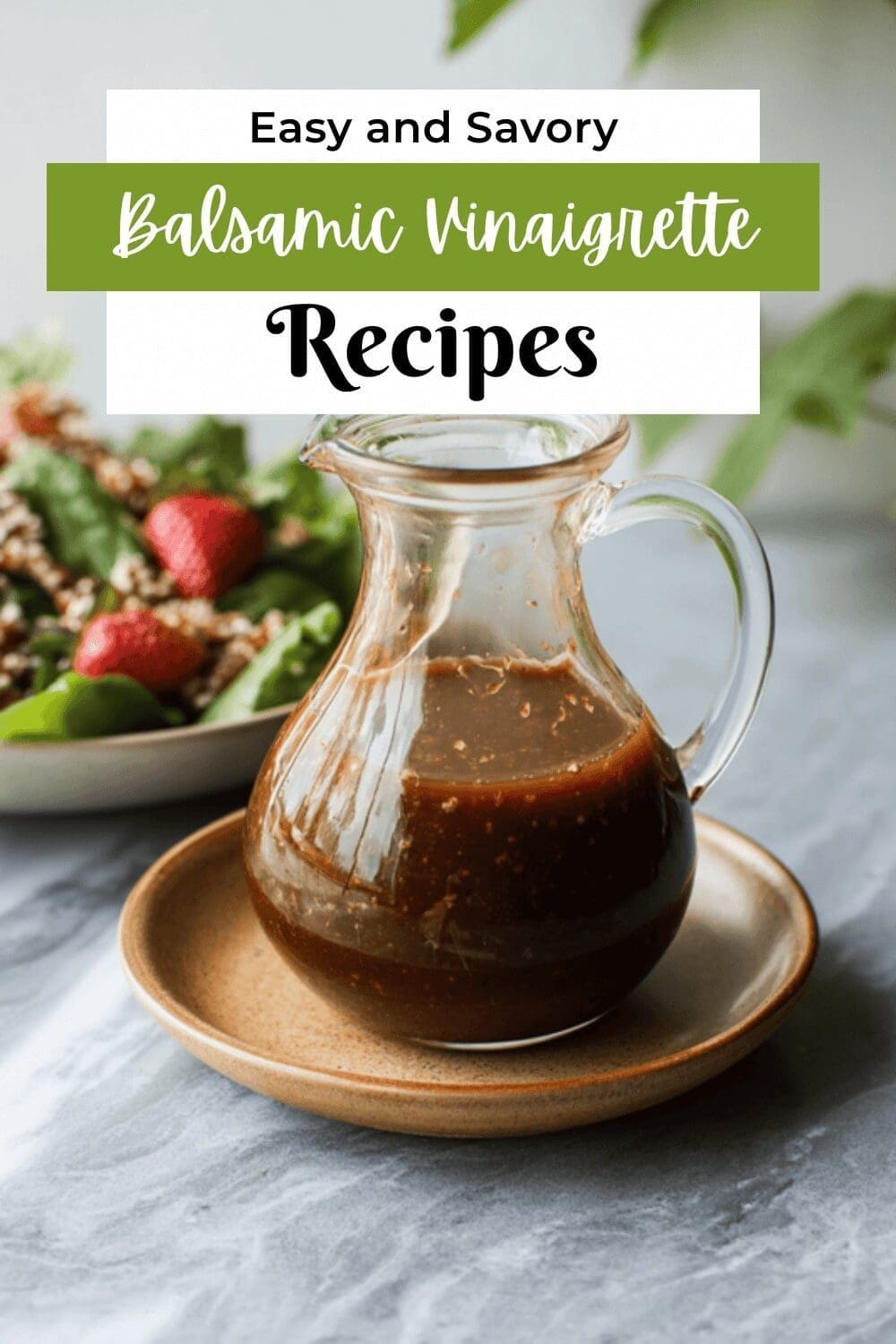
FAQs: Frequently Asked Questions About Balsamic Vinaigrette
How long can homemade balsamic vinaigrette be stored in the fridge?
Homemade balsamic vinaigrette typically stays fresh for up to two weeks when refrigerated in a sealed container. The acidity from the vinegar helps preserve it, but it’s best to check for any off smells or changes in texture before use. Always shake the bottle well before pouring, as separation of oil and vinegar is natural.
What is the best way to store balsamic vinaigrette to keep it fresh?
Store balsamic vinaigrette in a glass jar or bottle with a tight-fitting lid in the refrigerator. Prevent contamination by using clean utensils when pouring. The dressing may separate during storage, so shake or stir it before each use to mix the ingredients evenly.
Can I use an immersion blender to mix balsamic vinaigrette?
Yes, an immersion blender can be used to mix balsamic vinaigrette, creating a smoother and slightly thicker dressing. While whisking by hand yields a more traditional texture, blending helps emulsify the oil and vinegar, reducing separation and making it easier to use.
Besides salads, what dishes go well with balsamic vinaigrette?
Balsamic vinaigrette pairs well with roasted or grilled vegetables, as a marinade for chicken or fish, and drizzled over fresh fruit salads. It adds a tangy, slightly sweet flavor to grain bowls and wraps, making it a versatile condiment beyond just salad dressing.
Why does my balsamic vinaigrette separate and how can I prevent it?
Separation happens because oil and vinegar naturally repel each other. To minimize this, whisk or shake the vinaigrette vigorously before use, or blend it thoroughly to create an emulsion. Adding a small amount of mustard or honey can also help stabilize the mixture and keep it combined longer.

Balsamic Vinaigrette
🥗 This Balsamic Vinaigrette Recipe uses simple, homemade ingredients for a fresh and versatile dressing.
🍴 Perfect for salads, roasted veggies, and wraps, it offers balanced sweet and tangy flavors in every bite.
- Total Time: 5 minutes
Ingredients
– 2 tablespoons honey adds natural sweetness and helps balance the acidity
– 1 tablespoon dijon mustard acts as an emulsifier to blend the oil and vinegar smoothly
– 1/2 teaspoon fine sea salt enhances the overall flavor profile
– 1/2 teaspoon freshly crushed black pepper, finely ground provides a subtle heat and depth
– 1 large garlic clove, minced introduces a fragrant and savory note
– 1/4 cup balsamic vinegar delivers the signature tangy flavor and depth
– 3/4 cup extra virgin olive oil contributes richness and a smooth texture
Instructions
1-First, gather all ingredients measured precisely for accuracy and ease during mixing, which helps avoid any last-minute rushes.
2-In a small bowl or jar, combine balsamic vinegar, minced garlic, Dijon mustard, and honey to start building the base flavors.
3-Slowly whisk in extra virgin olive oil while continuously stirring to create a smooth emulsion, ensuring everything blends evenly without separating too soon.
4-Next, season with salt and freshly ground black pepper, tasting and adjusting as needed to get that perfect balance.
5-For vegan or low-calorie adaptations, substitute honey with maple syrup or reduce olive oil quantity to fit your needs.
6-Finally, store the vinaigrette in a sealed container in the refrigerator for at least 30 minutes before serving to let the flavors meld, and always shake well before use for the best results.
Last Step:
Please leave a rating and comment letting us know how you liked this recipe! This helps our business to thrive and continue providing free, high-quality recipes for you.Notes
🥄 Whisk by hand for a thinner dressing or use a blender for a thicker texture.
🧴 Shake well before use as oil and vinegar may separate during storage.
🌿 Use within a few weeks for best freshness and flavor, stored in a sealed jar in the refrigerator.
- Prep Time: 5 minutes
- Category: Condiment
- Method: Whisking
Nutrition
- Calories: 81 kcal
- Sugar: 2 g
- Sodium: 67 mg
- Fat: 8 g
- Saturated Fat: 1 g
- Carbohydrates: 2 g


