

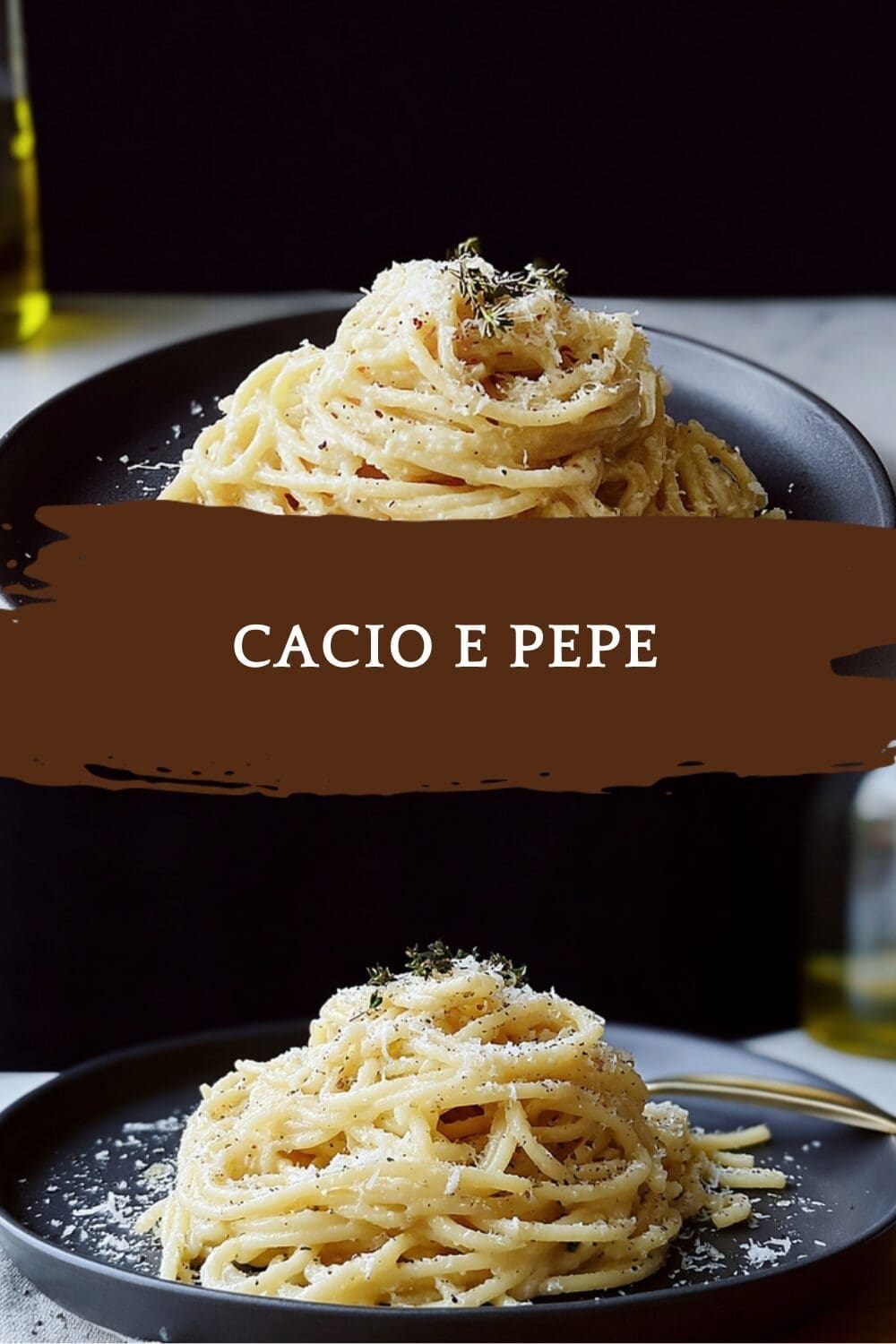
Why You’ll Love This Cacio E Pepe
This classic Cacio E Pepe recipe is a simple way to bring the tastes of Italy into your kitchen without much hassle. It’s quick to whip up, using just a few basic items that you might already have on hand, making it ideal for busy days when you need something tasty fast. Beyond its ease, the dish offers great perks like protein and calcium from the cheese, plus antioxidants from black pepper that support digestion.
One of the best parts is how flexible it can be, letting you tweak it for different diets while keeping that rich flavor intact. Whether you’re cooking for family or yourself, this meal feels comforting and satisfying every time. It’s no wonder it’s a favorite among home cooks looking for something special yet straightforward.
To expand on its charm, consider adding it to your routine for a weekly pasta night, as it pairs well with fresh salads from our blog. For instance, if you’re exploring other pasta ideas, check out our easy chicken spaghetti recipe for more inspiration. Plus, learning about pasta’s health side can deepen your appreciation, as discussed in this guide on whether pasta is healthy.
Quick Prep and Everyday Appeal
The recipe shines because it comes together in under 20 minutes, perfect for busy parents or students juggling schedules. Its simplicity means you don’t need fancy tools or hard-to-find items, which makes it accessible for everyone from newlyweds to seniors. This dish proves that great food doesn’t have to be complicated, aligning with our blog’s focus on no-heat meals that keep things light and nourishing.
Another angle is how it highlights fresh, quality ingredients that boost nutrition without extra effort. Black pepper adds a spicy twist that’s not only flavorful but also supports gut health, while cheese brings in essential nutrients. All in all, it’s a go-to option that fits into a healthy lifestyle, encouraging readers to try it as part of their meal rotation.
Adding to its versatility, you can enjoy it solo or mix in veggies for extra crunch, making it adaptable for various tastes. This keeps the recipe exciting and relevant for food enthusiasts and working pros alike. By trying Cacio E Pepe, you’re stepping into a world of easy Italian cooking that feels rewarding and fun.
Jump to:
- Why You’ll Love This Cacio E Pepe
- Quick Prep and Everyday Appeal
- Essential Ingredients for Cacio E Pepe
- Main Ingredients List
- Special Dietary Options
- How to Prepare the Perfect Cacio E Pepe: Step-by-Step Guide
- Tips for Smooth Preparation
- Dietary Substitutions to Customize Your Cacio E Pepe
- Ideas for Enhancements
- Mastering Cacio E Pepe: Advanced Tips and Variations
- Creative Variations
- How to Store Cacio E Pepe: Best Practices
- FAQs: Frequently Asked Questions About Cacio E Pepe
- What ingredients do I need to make traditional Cacio e Pepe?
- How can I stop Cacio e Pepe sauce from becoming grainy or clumpy?
- Can I make Cacio e Pepe if I have a gluten intolerance?
- What variations can I try if I want to add protein or vegetables to Cacio e Pepe?
- How do I properly reheat leftover Cacio e Pepe without drying it out?
- Cacio E Pepe
- Ingredients
- Instructions
- Last Step:
- Notes
- Nutrition
- Did you make this recipe?
Essential Ingredients for Cacio E Pepe
Main Ingredients List
- 8 ounces of dried bucatini or spaghetti
- 2 tablespoons of unsalted butter
- ½ cup of freshly grated Pecorino Romano cheese (with extra for garnish)
- ½ teaspoon of toasted cracked black pepper
This list covers everything needed to make the recipe come alive, focusing on precise measurements for the best results. Each item plays a key role in creating the creamy texture and bold flavors that define Cacio E Pepe. By using these ingredients as listed, you’ll ensure the dish turns out just right every time.
Special Dietary Options
For those with specific needs, this recipe is easy to adjust. If you’re going vegan, swap in plant-based cheese to keep the creamy vibe without the dairy. For gluten-free versions, choose pasta made from rice or corn to maintain that perfect al dente bite.
To make it lighter, consider cutting back on cheese or opting for whole-grain noodles. These changes help tailor the dish to fit various preferences while staying true to its roots. Remember, the goal is to enjoy a nutritious meal that’s simple and adaptable.
| Ingredient | Standard Amount | Dietary Swap |
|---|---|---|
| Pasta | 8 ounces | Gluten-free alternatives |
| Cheese | ½ cup grated | Vegan cheese blends |
| Butter | 2 tablespoons | Plant-based options |
| Black pepper | ½ teaspoon | None needed, but fresh is best |
This table summarizes the ingredients for quick reference, helping readers see substitutions at a glance. It’s all about making the recipe user-friendly for everyone, from college students to health-focused eaters.
How to Prepare the Perfect Cacio E Pepe: Step-by-Step Guide
Start by filling a large pot with water, add salt to enhance the flavors, and bring it to a boil. Once boiling, cook 8 ounces of dried bucatini or spaghetti until al dente, which takes about 6 to 8 minutes for the perfect texture. Don’t forget to reserve 2/3 cup of the pasta water before draining, as it’s key for the sauce.
Next, return the pasta to the pot or a large skillet on low heat, then mix in the reserved pasta water and 2 tablespoons of unsalted butter. Toss everything until the butter melts and coats the pasta smoothly. Now, add the ½ cup of freshly grated Pecorino Romano cheese and ½ teaspoon of toasted cracked black pepper, stirring continuously to form a creamy sauce that clings to each strand.
Serve it right away, topped with extra grated cheese for a finishing touch. This method keeps the dish simple and authentic, aligning with our blog’s love for no-fuss recipes. If you’re curious about other pasta dishes, our easy chicken spaghetti recipe offers more ideas for quick meals.
Tips for Smooth Preparation
To avoid common pitfalls, always use low heat when adding cheese to prevent it from clumping. Stirring constantly helps the sauce emulsify properly, creating that silky finish. For best results, measure ingredients ahead of time to keep things flowing smoothly in the kitchen.
This approach works for dietary tweaks too, like using gluten-free pasta without changing the core steps. It’s a reliable way to enjoy a classic Italian favorite that’s both nourishing and straightforward.

Dietary Substitutions to Customize Your Cacio E Pepe
Swapping ingredients can make this recipe fit your needs, such as using chickpea pasta for more protein while keeping the creamy cheese sauce. For vegan options, trade Pecorino Romano for nutritional yeast and a dairy-free cheese blend to maintain that tangy flavor. These changes let you enjoy the dish without giving up taste or texture.
You can also play with veggies by adding mushrooms or spinach to boost nutrition and add variety. Spices like smoked paprika can switch up the heat, making it adaptable for different preferences. This flexibility is great for busy parents or health-conscious folks looking for quick tweaks.
Ideas for Enhancements
Incorporate proteins like grilled chicken or shrimp for a heartier meal, drawing from other recipes on our site. Remember, the key is to add these extras at the end so they blend well. By experimenting, you turn a simple dish into something personalized and exciting.
Mastering Cacio E Pepe: Advanced Tips and Variations
To get that ideal creamy sauce, add the cheese slowly to the warm pasta water and keep tossing to avoid lumps, a pro technique that elevates your cooking. You can mix in flavors like garlic oil or lemon zest for a fresh twist on the traditional recipe. Presentation matters too, so top it with plenty of black pepper and perhaps some parsley for a nice look.
If you’re planning ahead, prepare the cheese mix in advance and reheat it gently with pasta water right before serving. This keeps the quality high even on busy days. For more pasta tips, check out resources like those on Pecorino cheese benefits, which highlight why it’s a star ingredient.
Creative Variations
Try adding truffle oil for a luxurious upgrade, or incorporate seasonal veggies to make it your own. These ideas keep the dish fun and adaptable for all types of cooks. With a bit of practice, you’ll master this recipe in no time.
How to Store Cacio E Pepe: Best Practices
Keep leftovers fresh by putting them in an airtight container and refrigerating for up to 2 days. If you want to freeze it, use a sealed container for up to a month, though the texture might change a bit. When reheating, warm it slowly in a skillet with a little water to keep it creamy and avoid drying out.
For meal prep, cook the pasta just under al dente so it doesn’t get too soft when warmed up later. This tip helps maintain the dish’s appeal for anyone prepping lunches ahead. Storing it right ensures you can enjoy Cacio E Pepe even on your busiest days.
FAQs: Frequently Asked Questions About Cacio E Pepe
What ingredients do I need to make traditional Cacio e Pepe?
Traditional Cacio e Pepe requires just a few simple ingredients: spaghetti or tonnarelli pasta, Pecorino Romano cheese, freshly cracked black pepper, and salted pasta water. Some recipes add a small amount of butter or olive oil for extra creaminess, but the authentic version focuses on the cheese and pepper as the main flavors. Using high-quality Pecorino Romano and freshly ground black pepper is key to achieving the dish’s distinctive taste.
How can I stop Cacio e Pepe sauce from becoming grainy or clumpy?
To prevent the sauce from clumping, make sure to mix the grated Pecorino Romano cheese with hot, starchy pasta water gradually while stirring vigorously. The starchy water helps emulsify the cheese, creating a smooth, creamy sauce that coats the pasta evenly. Avoid adding cold cheese directly to the pasta, and keep the heat low to moderate during mixing to stop the cheese from overheating and seizing.
Can I make Cacio e Pepe if I have a gluten intolerance?
Yes, Cacio e Pepe can be made gluten-free by substituting traditional pasta with gluten-free alternatives such as rice, corn, or quinoa-based pasta. Be sure to check the cooking times on the gluten-free pasta package to achieve the right al dente texture. The sauce preparation remains the same, relying on Pecorino Romano cheese, black pepper, and starchy pasta water.
What variations can I try if I want to add protein or vegetables to Cacio e Pepe?
While classic Cacio e Pepe is simple, you can customize it by adding proteins like sautéed shrimp, grilled chicken, or crispy pancetta. Vegetables like steamed broccoli, roasted asparagus, or peas also complement the dish well. Add these extras at the end of cooking so they blend with the creamy sauce without overpowering the traditional flavors.
How do I properly reheat leftover Cacio e Pepe without drying it out?
To reheat Cacio e Pepe, warm the leftovers gently to preserve the creamy texture. On the stovetop, add a splash of water or broth to the pasta and warm over low heat, stirring frequently until heated through. If using a microwave, add a small amount of water, cover loosely, and heat in short increments (30 to 45 seconds), stirring between each to prevent the sauce from drying out or separating.

Cacio E Pepe
🍝 Enjoy a taste of Italy with this classic Cacio e Pepe recipe, featuring simple ingredients and bold flavors.
🧀 The creamy combination of Pecorino Romano cheese and freshly cracked black pepper coats every strand of perfectly cooked pasta.
- Total Time: 13 minutes
- Yield: 2 to 3 servings
Ingredients
– 8 ounces pasta
– ½ cup grated cheese
– 2 tablespoons butter
– ½ teaspoon black pepper
Instructions
1-Start by filling a large pot with water, add salt to enhance the flavors, and bring it to a boil. Once boiling, cook 8 ounces of dried bucatini or spaghetti until al dente, which takes about 6 to 8 minutes for the perfect texture. Don’t forget to reserve 2/3 cup of the pasta water before draining, as it’s key for the sauce.
2-Next, return the pasta to the pot or a large skillet on low heat, then mix in the reserved pasta water and 2 tablespoons of unsalted butter. Toss everything until the butter melts and coats the pasta smoothly. Now, add the ½ cup of freshly grated Pecorino Romano cheese and ½ teaspoon of toasted cracked black pepper, stirring continuously to form a creamy sauce that clings to each strand.
3-Serve it right away, topped with extra grated cheese for a finishing touch. This method keeps the dish simple and authentic, aligning with our blog’s love for no-fuss recipes. If you’re curious about other pasta dishes, our easy chicken spaghetti recipe offers more ideas for quick meals.
Last Step:
Please leave a rating and comment letting us know how you liked this recipe! This helps our business to thrive and continue providing free, high-quality recipes for you.Notes
🧀 Use freshly grated Pecorino Romano for the best flavor and texture.
🔥 Toast black pepper before using to enhance its aroma and depth.
💧 Reserve enough pasta water to help create a smooth, creamy sauce.
- Prep Time: 5 minutes
- Cook Time: 8 minutes
- Category: Main Course
- Method: Boiling and tossing
- Cuisine: Italian
- Diet: Vegetarian
Nutrition
- Serving Size: 1 serving
- Calories: 450
- Sugar: 1 gram
- Sodium: 480 mg
- Fat: 18 grams
- Saturated Fat: 11 grams
- Unsaturated Fat: 6 grams
- Trans Fat: 0 grams
- Carbohydrates: 55 grams
- Fiber: 2 grams
- Protein: 17 grams
- Cholesterol: 50 mg


