

Why You’ll Love This Matcha Latte
There’s something truly special about sipping a perfectly crafted matcha latte. This vibrant green drink has taken the coffee shop scene by storm, and I’m so excited to share why you’ll fall in love with making these at home!
- Ease of preparation: Creating your own matcha latte is surprisingly simple! With just a few ingredients and minimal equipment, you can whip up a delicious matcha latte in about 5 minutes (for the hot version) or 20 minutes for iced (including chilling time). No barista skills required!
- Health benefits: Matcha is packed with antioxidants, particularly catechins, which may support metabolism and reduce inflammation. Plus, since you’re consuming the entire tea leaf powder, you get more nutrients than with traditional green tea. A matcha latte provides a gentle energy boost without the jitters often associated with coffee.
- Versatility: Whether you prefer it hot or iced, sweet or unsweetened, with dairy milk or plant-based alternatives, the matcha latte is incredibly adaptable. It’s easy to customize to your specific dietary preferences and restrictions.
- Distinctive flavor: The unique umami flavor of matcha creates a beverage experience unlike any other. The vibrant green tea notes combined with creamy milk make for a comforting yet refreshing drink that’s both soothing and energizing. Once you taste a well-made matcha latte, you’ll understand why it has such a devoted following!
Jump to:
- Why You’ll Love This Matcha Latte
- Essential Ingredients for Matcha Latte
- Main Ingredients for Hot Matcha Latte:
- Main Ingredients for Iced Matcha Latte:
- Milk Options:
- How to Prepare the Perfect Matcha Latte: Step-by-Step Guide
- Hot Matcha Latte Method
- Iced Matcha Latte Method
- Quick Reference Guide
- Dietary Substitutions to Customize Your Matcha Latte
- Protein and Main Component Alternatives
- Vegetable, Sauce, and Seasoning Modifications
- Mastering Matcha Latte: Advanced Tips and Variations
- Pro Cooking Techniques
- Flavor Variations
- Presentation Tips
- How to Store Matcha Latte: Best Practices
- Refrigeration
- Freezing and Reheating
- FAQs: Frequently Asked Questions About Matcha Latte
- What is matcha and how is it different from regular green tea?
- How do I make a matcha latte at home?
- What milk is best for making a creamy matcha latte?
- Why should matcha powder be whisked with water below boiling temperature?
- Is matcha latte healthy and what are its benefits?
- matcha latte
- Ingredients
- Instructions
- Last Step:
- Notes
- Nutrition
- Did you make this recipe?
Essential Ingredients for Matcha Latte
Creating the perfect matcha latte starts with quality ingredients. Here’s everything you’ll need to make both hot and iced versions:
Main Ingredients for Hot Matcha Latte:
- ½ to 1 teaspoon matcha powder
- ¼ cup hot water (170-180°F / 76-82°C, not boiling)
- ¼ cup milk of choice (warmed)
- Sweetener of choice (optional): maple syrup, honey, or stevia to taste
Main Ingredients for Iced Matcha Latte:
- 2 teaspoons matcha powder
- 1 to 2 tablespoons hot water (for paste)
- 1 cup warm water (for dilution)
- Milk of choice (chilled), enough to fill glass about ¾ full
- Sweetener of choice (optional): simple syrup to taste
- Ice, to fill glasses
Milk Options:
- Coconut milk
- Almond milk
- Oat milk
- Soy milk
- Dairy milk
The quality of your matcha powder makes a significant difference in the final taste. For the best results, always use culinary-grade matcha that’s vibrant green in color, free of clumps, and has a fresh, grassy aroma.
How to Prepare the Perfect Matcha Latte: Step-by-Step Guide
Now that we have our ingredients ready, let’s walk through the process of creating both hot and iced matcha lattes. These techniques will help you achieve that perfect balance of flavor and texture every time!
Hot Matcha Latte Method
- First Step: Start by sifting ½ to 1 teaspoon of matcha powder into your favorite mug. This simple step removes any lumps and ensures a smooth latte.
- Second Step: Heat your water to 170-180°F (76-82°C). This temperature is crucial water that’s too hot will scorch the matcha and create bitterness. Pour ¼ cup of this hot water over the sifted matcha.
- Third Step: Using a bamboo whisk (called a chasen) or a small regular whisk, mix vigorously in an up-and-down or side-to-side motion for about 30 seconds. This creates a lovely foam and ensures the powder is fully incorporated.
- Fourth Step: Warm ¼ cup of your preferred milk to about 160°F (71°C). Add the warmed milk to your matcha mixture and whisk again until well combined.
- Final Step: Taste your creation and adjust if needed. You might want to add more water for a lighter flavor, extra milk for creaminess, or sweetener. Once satisfied, enjoy your homemade hot matcha latte!
Iced Matcha Latte Method
- First Step: Sift 2 teaspoons of matcha powder into a measuring cup or bowl to give yourself plenty of room to mix.
- Second Step: Add 1 to 2 tablespoons of hot water (170-180°F) to the matcha. Whisk thoroughly until it forms a smooth, concentrated paste with no lumps.
- Third Step: Pour in 1 cup of warm water to the matcha paste and mix until well combined.
- Fourth Step: Transfer your matcha mixture to the refrigerator to chill for approximately 15 minutes.
- Fifth Step: While the matcha chills, prepare your serving glasses by filling them to the top with ice. Pour your chilled milk of choice into each glass until about three-quarters full. Add simple syrup if desired.
- Final Step: Remove the chilled matcha from the refrigerator and pour it over the ice and milk. Stir gently to combine and serve immediately!
Quick Reference Guide
| Aspect | Hot Matcha Latte> | Iced Matcha Latte |
|---|---|---|
| Prep Time | 5 minutes | 5 minutes |
| Total Time | 5 minutes | Approximately 20 minutes |
| Matcha Powder | ½ to 1 teaspoon | 2 teaspoons |
| Water Temperature | 170-180°F | 170-180°F |
| Milk State | Warmed | Chilled |

Dietary Substitutions to Customize Your Matcha Latte
One of the best things about matcha lattes is how easily they can be adapted to different dietary needs and preferences. Let’s explore some delicious substitutions!
Protein and Main Component Alternatives
The milk in your matcha latte is not just for flavor it also contributes creaminess and body. Here are some alternatives to try:
- For a vegan matcha latte, opt for plant-based milks such as oat, almond, soy, or coconut milk. Oat milk tends to froth the most similarly to dairy milk, creating that creamy texture everyone loves.
- Those seeking a higher-protein option might consider adding a scoop of unflavored or vanilla protein powder to their matcha before adding water.
- If you’re avoiding caffeine, you can create a “matcha-style” latte using moringa powder or even spirulina for that vibrant green color without the caffeine content.
Vegetable, Sauce, and Seasoning Modifications
While matcha has a distinctive flavor on its own, you can customize your latte with various additions:
- For a refreshing twist, try adding a few drops of peppermint extract to your hot matcha latte during the winter months.
- The lavender latte recipe mentioned in our title is a favorite! Add ¼ teaspoon of culinary lavender buds when sifting your matcha powder, or use lavender-infused honey as your sweetener.
- Spice lovers might enjoy adding a pinch of turmeric or cinnamon to their matcha. These spices not only add flavor complexity but also bring their own health benefits.
Remember, when making substitutions, start with small amounts and taste as you go. Matcha has a delicate flavor profile that can be overwhelmed by strong additions if you’re not careful!
Mastering Matcha Latte: Advanced Tips and Variations
Ready to take your matcha latte skills to the next level? These expert tips and creative variations will help you create café-quality drinks right in your own kitchen!
Pro Cooking Techniques
Getting that perfect matcha latte consistency comes down to technique:
- The traditional Japanese tool for making matcha is a bamboo whisk (chasen). Its fine prongs are specifically designed to create the perfect froth.
- Try creating “microfoam” with your milk by using a handheld milk frother or French press. This adds that coveted barista-level texture to your matcha latte without needing expensive equipment.
Flavor Variations
Once you’ve mastered the basic matcha latte, experiment with these flavor combinations:
- For a floral lavender latte recipe, infuse your milk with dried lavender buds by warming it gently with the lavender, then straining before adding to your matcha.
- Coconut matcha: Use coconut milk and a splash of coconut water for a tropical twist that brings out the naturally sweet notes of the matcha.
Presentation Tips
We eat (and drink) with our eyes first! Here are some ways to make your matcha latte as beautiful as it is delicious:
- For iced lattes, try layering by pouring the matcha concentrate slowly over the back of a spoon onto the milk.
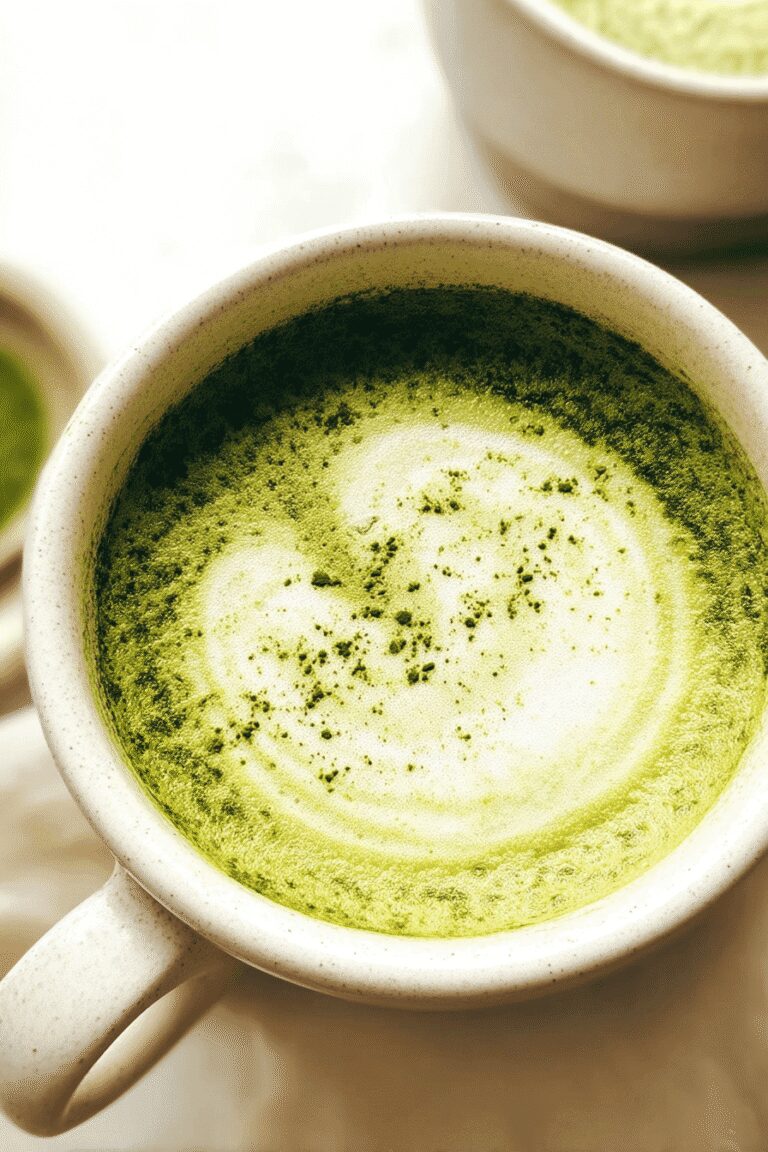
- A light dusting of matcha powder on top of the foam of your hot latte adds visual appeal and an extra flavor boost.
- Serve your matcha latte in a clear glass mug to highlight its vibrant green color.
How to Store Matcha Latte: Best Practices
While matcha lattes are best enjoyed fresh, sometimes we need to prepare them in advance or save leftovers. Here are the best practices for storing your matcha creations:
Refrigeration
Both hot and iced matcha lattes can be refrigerated:
- Store prepared matcha latte in an airtight container in the refrigerator for up to 24 hours.
- For iced lattes, you can refrigerate for up to 2 days if you keep the ice separate.
- Matcha concentrate (without milk) can be refrigerated for up to 3 days.
Freezing and Reheating
- Freeze matcha concentrate in ice cube trays for later use with fresh milk.
- Gently warm refrigerated matcha latte on the stove over low heat or in the microwave at 50% power, stirring frequently.
- If the matcha latte appears separated after refrigeration, whisking briefly can help restore some of the original texture.
FAQs: Frequently Asked Questions About Matcha Latte
What is matcha and how is it different from regular green tea?
Matcha is a finely ground powder made from shade-grown green tea leaves. Unlike regular green tea where leaves are steeped and removed, matcha involves consuming the whole leaf in powdered form. This means matcha provides higher levels of antioxidants, caffeine, and nutrients than steeped green tea. Its vibrant green color and concentrated flavor make it ideal for drinks like lattes.
How do I make a matcha latte at home?
To make a matcha latte, sift ½ to 1 teaspoon of matcha powder into a cup to prevent clumps. Add about ¼ cup of hot water heated to 170-180°F and whisk vigorously in a zigzag motion until frothy. Then stir in ¼ cup of warmed milk or milk alternative of your choice. Sweeten with maple syrup, honey, or sugar if desired, and enjoy immediately.
What milk is best for making a creamy matcha latte?
Many types of milk work well for matcha lattes, including dairy milk, oat milk, almond milk, soy milk, and coconut milk. Choose one based on your taste preference or dietary needs. Oat milk is popular for its creamy texture, while coconut milk adds a slightly sweet, tropical flavor. Heat the milk gently to avoid curdling and maintain a smooth latte.
Why should matcha powder be whisked with water below boiling temperature?
Using water between 170-180°F prevents scorching the delicate matcha powder. Water that is too hot, like boiling water, can make the matcha taste bitter and reduce its health benefits. Heating water to the right temperature preserves the smooth, grassy flavor of matcha and creates a better froth when whisked.
Is matcha latte healthy and what are its benefits?
Matcha lattes offer antioxidants called catechins, which may support metabolism and reduce inflammation. Since you consume the whole leaf, matcha provides more caffeine and nutrients than regular green tea, giving you a gentle energy boost without jitters. Choosing unsweetened milk and limiting added sugar helps keep the drink nutritious.
matcha latte
🍵 Experience the perfect balance of earthy matcha and creamy milk in these versatile lattes that can be enjoyed hot or cold💜 Infuse with floral lavender notes for an elevated, cafe-quality drink that soothes the senses and delights the taste buds
- Total Time: 5 minutes (hot), 20 minutes (iced)
- Yield: 1 serving 1x
Ingredients
½ to 1 teaspoon matcha powder
¼ cup hot water (170-180°F / 76-82°C, not boiling)
¼ cup milk of choice (warmed)
maple syrup for sweetening
honey for sweetening
stevia for sweetening
2 teaspoons matcha powder
1 to 2 tablespoons hot water for paste
1 cup warm water for dilution
chilled milk of choice for filling glass
simple syrup for sweetening
ice for filling glasses
coconut milk
almond milk
oat milk
soy milk
dairy milk
Instructions
1-First Step: Start by sifting ½ to 1 teaspoon of matcha powder into your favorite mug. This simple step removes any lumps and ensures a smooth latte.
2-Second Step: Heat your water to 170-180°F (76-82°C). This temperature is crucial water that’s too hot will scorch the matcha and create bitterness. Pour ¼ cup of this hot water over the sifted matcha.
3-Third Step: Using a bamboo whisk (called a chasen) or a small regular whisk, mix vigorously in an up-and-down or side-to-side motion for about 30 seconds. This creates a lovely foam and ensures the powder is fully incorporated.
4-Fourth Step: Warm ¼ cup of your preferred milk to about 160°F (71°C). Add the warmed milk to your matcha mixture and whisk again until well combined.
5-Final Step: Taste your creation and adjust if needed. You might want to add more water for a lighter flavor, extra milk for creaminess, or sweetener. Once satisfied, enjoy your homemade hot matcha latte!
6-First Step: Sift 2 teaspoons of matcha powder into a measuring cup or bowl to give yourself plenty of room to mix.
7-Second Step: Add 1 to 2 tablespoons of hot water (170-180°F) to the matcha. Whisk thoroughly until it forms a smooth, concentrated paste with no lumps.
8-Third Step: Pour in 1 cup of warm water to the matcha paste and mix until well combined.
9-Fourth Step: Transfer your matcha mixture to the refrigerator to chill for approximately 15 minutes.
10-Fifth Step: While the matcha chills, prepare your serving glasses by filling them to the top with ice. Pour your chilled milk of choice into each glass until about three-quarters full. Add simple syrup if desired.
11-Final Step: Remove the chilled matcha from the refrigerator and pour it over the ice and milk. Stir gently to combine and serve immediately!
Last Step:
Please leave a rating and comment letting us know how you liked this recipe! This helps our business to thrive and continue providing free, high-quality recipes for you.Notes
🍃 Always sift matcha powder first to prevent clumps and ensure a smooth, lump-free latte experience
🌡️ Water temperature is crucial – use water at 170-180°F (76-82°C), not boiling, to avoid bitter matcha flavor
💚 For the lavender infusion, use culinary-grade lavender buds only – regular lavender may contain pesticides isn’t safe for consumption
- Prep Time: 5 minutes
- Chilling Time: 15 minutes
- Cook Time: 0 minutes
- Category: Beverages
- Method: Whisking and Mixing
- Cuisine: Japanese-inspired
- Diet: Vegetarian/Vegan (depending on milk choice)
Nutrition
- Serving Size: 1 cup (8 oz)
- Calories: 45-120 (varies with milk and sweetener choices)
- Sugar: 2-8g (varies with sweetener)
- Sodium: 50mg
- Fat: 2-8g (varies with milk type)
- Saturated Fat: 1-5g (varies with milk type)
- Unsaturated Fat: 1-3g (varies with milk type)
- Trans Fat: 0g
- Carbohydrates: 5-15g (varies with milk and sweetener)
- Fiber: 0g
- Protein: 2-4g (varies with milk type)
- Cholesterol: 0-5mg (varies with milk type)